bluename
 How to Care for Aglaonema Indoors: Ultimate Beginner Guide
If you’re a beginner plant parent looking for a low-fuss, visually striking indoor plant, Aglaonema—commonly known as Chinese Evergreen—checks all the boxes. But many new growers struggle with keeping their Aglaonema thriving, often facing issues like yellowing leaves, leggy growth, or failure to thrive in typical home environments. Learning how to care for Aglaonema indoors doesn’t require expert green thumbs; it just takes understanding its basic needs. This ultimate beginner guide breaks down everything you need to know to keep your Aglaonema lush, colorful, and healthy year-round.
What Is Aglaonema, and Why It’s Perfect for Indoor Growers
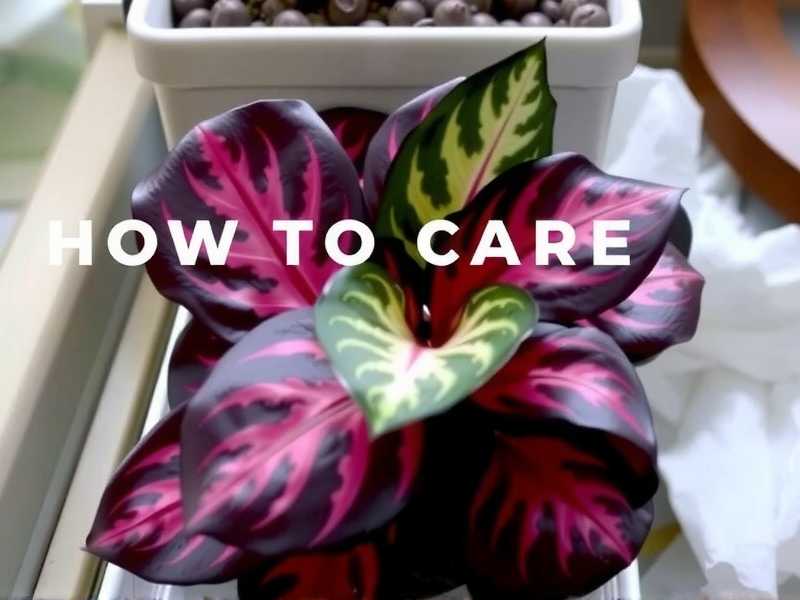
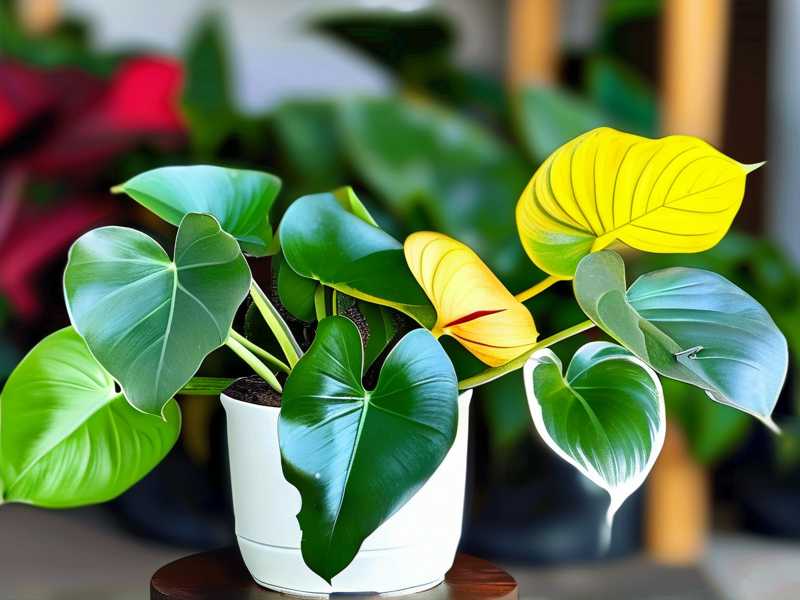
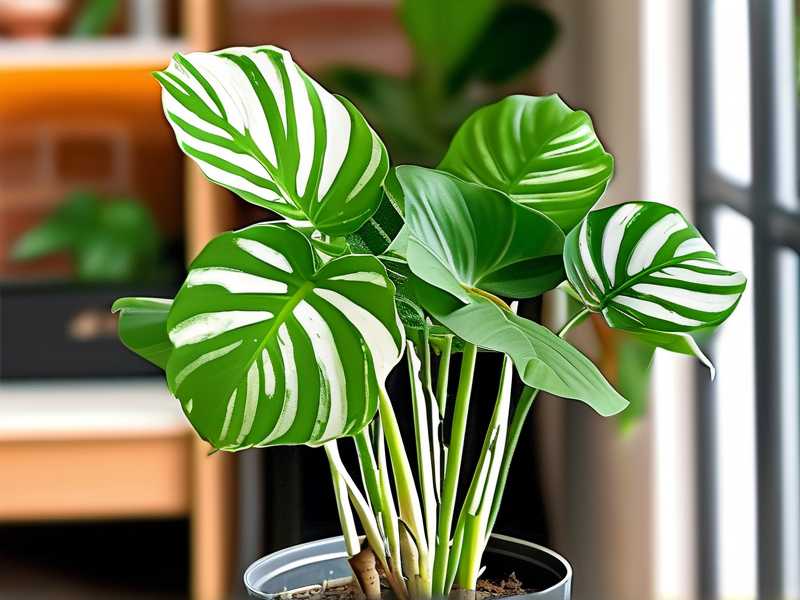
Aglaonema is a tropical perennial native to Southeast Asia, prized for its vibrant, variegated leaves that range from deep green to pink, red, or silver. Unlike many finicky indoor plants, it’s highly adaptable to low-light conditions and tolerates inconsistent care—making it ideal for busy beginners or homes with less-than-ideal lighting.
According to the University of Florida’s Institute of Food and Agricultural Sciences (UF/IFAS), Aglaonema is also an excellent air-purifying plant, removing common toxins like formaldehyde and benzene from indoor air. This dual benefit of beauty and functionality has made it a staple in indoor plant collections worldwide.
Key Growing Conditions for Aglaonema Indoors
To keep your Aglaonema happy, you need to replicate its natural tropical understory environment as closely as possible. The four core factors to master are light, water, humidity, and temperature.
Light Requirements: Finding the Sweet Spot
One of the biggest myths about Aglaonema is that it can survive in complete darkness. While it’s more tolerant of low light than most plants, it still needs indirect light to maintain its vibrant variegation.
For best results, place your Aglaonema near a north or east-facing window where it receives bright, filtered light for 4-6 hours a day. Avoid direct sunlight, as it will scorch the leaves and fade their color. If you only have south or west-facing windows, use a sheer curtain to diffuse the light.
Leggy growth or faded leaves are clear signs your Aglaonema isn’t getting enough light. If you notice these issues, move it to a brighter spot (still indirect) or supplement with a grow light set to 12-14 hours a day.
Watering Guide: Avoid Overwatering (the #1 Killer)
Overwatering is the most common mistake new Aglaonema owners make. This plant prefers slightly moist soil but hates sitting in water, which leads to root rot—a fatal condition.
The golden rule for watering Aglaonema is to let the top 1-2 inches of soil dry out completely between waterings. Stick your finger into the soil; if it feels dry at that depth, it’s time to water. Water thoroughly until the excess drains out of the bottom of the pot, then empty the saucer to prevent standing water.
Adjust your watering schedule with the seasons: water less frequently in winter (every 2-3 weeks) when growth slows, and more often in summer (every 7-10 days) when the plant is actively growing. Using room-temperature water helps prevent shock to the roots.
Humidity Needs: Adapting to Tropical Preferences
Aglaonema thrives in high humidity (50-60%), which can be a challenge in dry indoor environments—especially during winter when heating systems dry out the air.
Fortunately, there are easy ways to boost humidity for your plant. Place a tray filled with pebbles and water under the pot (make sure the pot doesn’t sit directly in water), group it with other plants to create a microclimate, or use a room humidifier. Misting the leaves occasionally also helps, but avoid misting too frequently, as this can lead to fungal issues.
, brown leaf tips are a sign that humidity is too low. If you see this, increase humidity using one of the methods above.Dry, brown leaf tips are a sign that humidity is too low. If you see this, increase humidity using one of the methods above.
Temperature: Keeping It Warm and Stable
Aglaonema is sensitive to cold temperatures and drafts. It grows best in temperatures between 65-80°F (18-27°C). Avoid placing it near drafty windows, doors, or air conditioning/heating vents.
Temperatures below 60°F (15°C) can slow growth and damage the plant, while temperatures below 50°F (10°C) are often fatal. If you live in a cold climate, make sure to keep your Aglaonema away from cold windows during winter.
Soil and Potting: Creating the Right Foundation
Aglaonema needs well-draining, nutrient-rich soil to thrive. A good potting mix for Aglaonema should be loose and airy, allowing water to drain quickly while retaining enough moisture to keep the roots hydrated.
You can use a commercial potting mix designed for tropical plants, or make your own by mixing equal parts peat moss (or coco coir), perlite, and potting soil. Adding a handful of orchid bark can further improve drainage.
Choose a pot with drainage holes at the bottom to prevent waterlogging. Aglaonema doesn’t mind being slightly root-bound, so you only need to repot it every 2-3 years, or when you see roots growing out of the drainage holes. When repotting, use a pot that’s 1-2 inches larger in diameter than the current one.
Fertilizing Aglaonema: Feeding for Healthy Growth
Aglaonema is not a heavy feeder, but regular fertilization during the growing season helps promote lush growth and vibrant foliage. Fertilize from spring to fall (April to September), when the plant is actively growing.
Use a balanced, water-soluble fertilizer (like 10-10-10) diluted to half strength. Apply it every 4-6 weeks. Avoid fertilizing in winter, as the plant is dormant and won’t absorb the nutrients—this can lead to fertilizer burn.
If you notice yellowing leaves with green veins, this could be a sign of nutrient deficiency (most likely iron). Switch to a fertilizer formulated for foliage plants, which contains iron and other micronutrients.
Pruning and Maintenance: Keeping Your Aglaonema Looking Neat
Pruning is not strictly necessary for Aglaonema, but it helps keep the plant compact and removes dead or damaged growth. Use clean, sharp pruning shears to cut back leggy stems or yellowed leaves at the base of the stem.
You can also pinch off the tips of new growth to encourage bushier growth. Wipe the leaves with a damp cloth occasionally to remove dust, which helps the plant photosynthesize more efficiently and keeps it looking shiny.
Remove any dead or yellow leaves as soon as you see them, as they can attract pests or spread disease.
Common Pests and Diseases: How to Identify and Treat Them
Aglaonema is relatively pest-resistant, but it can still be attacked by common indoor plant pests like spider mites, mealybugs, and scale insects. These pests thrive in dry conditions, so maintaining proper humidity can help prevent infestations.
Spider mites are tiny, red or brown pests that leave webbing on the leaves. Mealybugs look like small, white cottony masses on the stems and leaf nodes. Scale insects are hard, brown or black bumps that attach to the leaves and stems.
If you notice pests, isolate the plant to prevent them from spreading to other plants. For mild infestations, wipe the leaves and stems with a cotton ball dipped in rubbing alcohol. For more severe infestations, use an insecticidal soap or neem oil spray, following the instructions on the label.
Root rot is the most common disease affecting Aglaonema, caused by overwatering. Signs include yellowing leaves, mushy stems, and a foul odor from the soil. If you suspect root rot, remove the plant from the pot, trim away any soft, brown roots, and repot it in fresh, well-draining soil.
Propagating Aglaonema: Growing New Plants from Your Existing One
Propagating Aglaonema is easy, even for beginners. The two most common methods are stem cuttings and division.
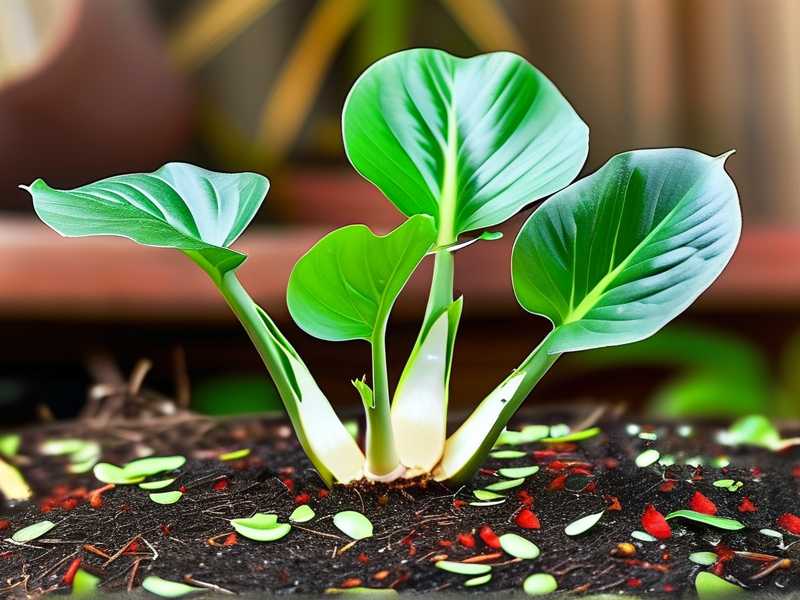
For stem cuttings: Cut a 4-6 inch stem from the mother plant, making sure it has at least 2-3 leaves. Remove the lower leaves, then place the cutting in a glass of water or moist potting soil. Keep it in bright, indirect light and maintain high humidity. Roots will form in 2-4 weeks. Once roots are 1-2 inches long, transplant the cutting into a pot with well-draining soil.
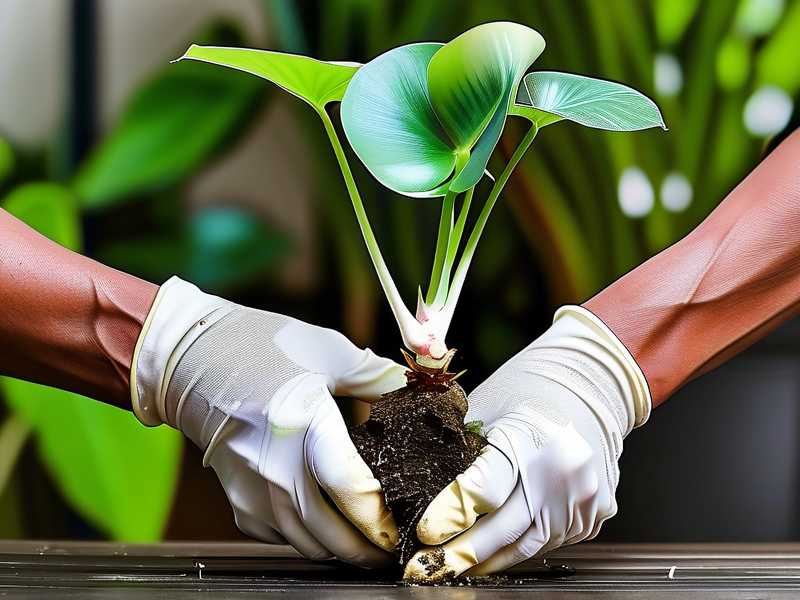
For division: When repotting your Aglaonema, gently separate the root ball into two or more sections, making sure each section has at least one stem and a healthy root system. Plant each section in its own pot with fresh soil, water thoroughly, and place in a shaded spot for a week to help it acclimate.
Frequently Asked Questions About Aglaonema Indoor Care
Q: Is Aglaonema toxic to pets?A: Yes, Aglaonema contains calcium oxalate crystals, which are toxic to cats and dogs. If ingested, it can cause oral irritation, swelling, vomiting, and difficulty swallowing. Keep your Aglaonema out of reach of pets and small children.
Q: Why are the leaves of my Aglaonema turning yellow?A: Yellow leaves can be caused by several factors, including overwatering, underwatering, too much direct sunlight, or nutrient deficiency. Start by checking the soil moisture—if it’s soggy, you’re overwatering; if it’s bone dry, you’re underwatering. Adjust your care accordingly, and move the plant away from direct sun if needed.
Q: How often does Aglaonema bloom indoors?A: Aglaonema can bloom indoors, but it’s rare, especially in low-light conditions. The flowers are small, white, and spadix-shaped (similar to peace lily flowers), and they typically appear in spring or summer. Even if it doesn’t bloom, the foliage is the main attraction, so don’t worry if you never see flowers.
Caring for Aglaonema indoors is all about balance—providing the right amount of light, water, and humidity without overcomplicating things. As a beginner-friendly plant, it’s forgiving of minor mistakes, making it a great first addition to your indoor garden. By following the tips in this guide, you’ll be able to enjoy the vibrant, air-purifying foliage of your Aglaonema for years to come. Remember to observe your plant regularly—its leaves will tell you if something is off, and small adjustments to your care routine will keep it thriving.