bluename
 How to Propagate Aglaonema Fast: 2 Foolproof Methods
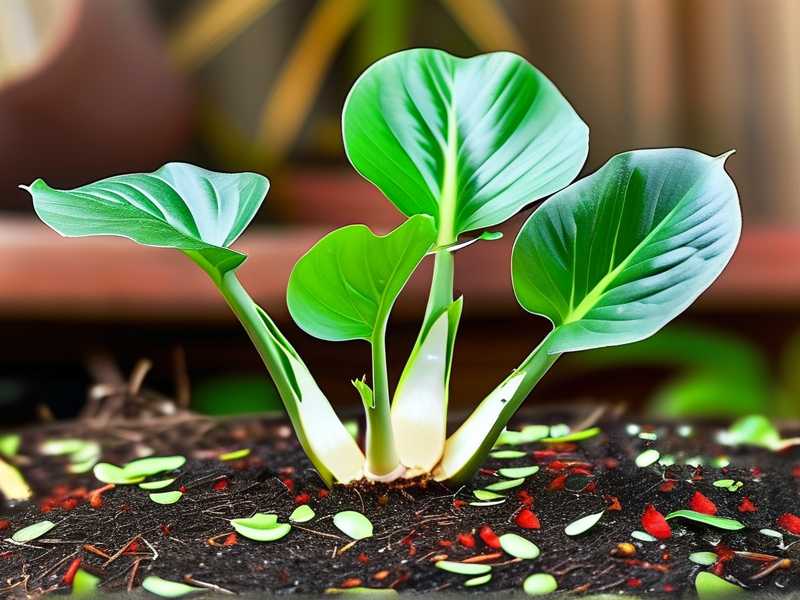
Roots will start to appear in 7-14 days—faster than many other houseplants! Once the roots are 1-2 inches long (usually after 2-3 weeks), it’s time to transplant the cutting into soil.
Fill a small pot with well-draining potting mix, make a hole in the center, and gently place the rooted cutting in the hole. Firm the soil around the stem and water thoroughly. Keep the newly potted plant in indirect light for the first week to acclimate, then care for it as a mature Aglaonema.
Method 2: Aglaonema Division (Instant New Plants)
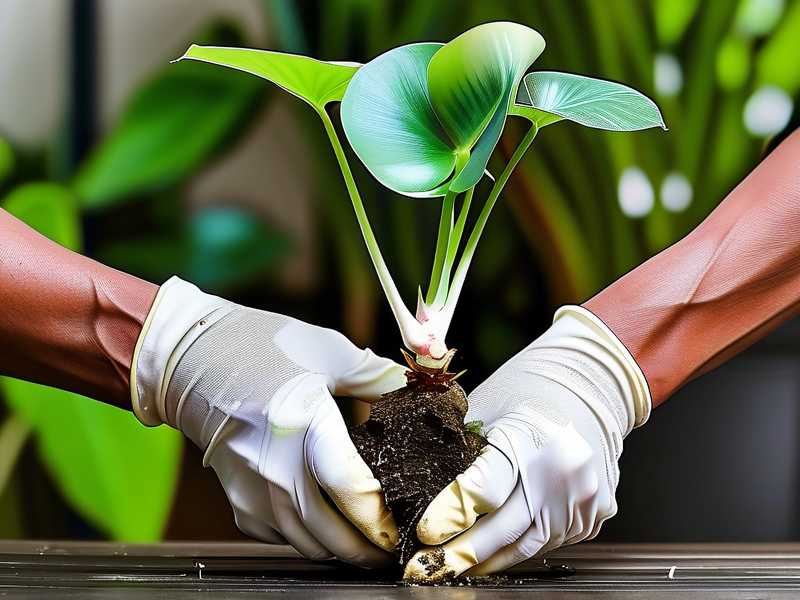
If you want even faster results—like instant new plants instead of waiting for roots—division is the method for you. This method works best when repotting your mature Aglaonema, as it involves separating the parent plant into multiple smaller plants, each with its own root system.
Step 1: Prepare the Parent Plant for Division
Water the parent Aglaonema thoroughly 1-2 days before dividing. Moist soil makes it easier to remove the plant from the pot and reduces stress on the roots.
Gently tap the sides of the pot to loosen the soil, then carefully lift the plant out. If it’s root-bound (roots wrapping tightly around the soil), gently tease the roots apart with your fingers to make division easier.
Step 2: Divide the Root Ball Into Sections
Look for natural separations in the root ball—clusters of stems with their own set of roots. Using your sterilized shears, cut the root ball into 2-3 sections, making sure each section has at least 1-2 healthy stems and a robust root system.
Avoid cutting through large roots unnecessarily—damage to major roots will slow down the plant’s recovery. If a section has few roots, discard it (it’s unlikely to thrive).
Step 3: Pot Each Division & Provide Aftercare
Fill individual pots with well-draining potting mix. Plant each division in its own pot, ensuring the soil level is the same as it was in the parent plant (burying the stem too deep causes rot).
Water each division thoroughly to settle the soil around the roots. Place the pots in bright, indirect light and keep the soil slightly moist (but not soggy) for the first 2 weeks. Mist the leaves daily to boost humidity, which helps the divisions acclimate faster.
Unlike water cuttings, division gives you fully formed plants that will start growing new leaves within a few weeks—no waiting for roots to develop first.
Pro Tips to Speed Up Aglaonema Propagation Even More
Want to shave a few more days off your propagation time? Try these expert-backed tips:
1. Use rooting hormone: Dip the cut end of the stem (for water propagation) in a powdered or liquid rooting hormone before placing it in water. The RHS notes that rooting hormones containing indole-3-butyric acid (IBA) can speed up root formation by 20-30% for tropical foliage plants.
2. Maintain consistent humidity: For both methods, keep humidity levels between 50-60%. Use a room humidifier or place a tray of pebbles and water under the pots (don’t let the pots sit in water). Higher humidity reduces water loss from the leaves, letting the plant focus energy on root growth.
3. Avoid overwatering: Soggy soil or stagnant water is the #1 cause of slow propagation (and rot). Stick to the watering schedules outlined above—moist, not wet, is the rule.
Common Propagation Mistakes to Avoid
Even small mistakes can slow down Aglaonema propagation. Here are the most common ones to watch for:
• Taking cuttings in winter: Dormant plants have less energy to produce roots, so cuttings taken in winter can take 4-6 weeks to root (or fail entirely). Stick to spring/summer.
• Using dull or unsterilized tools: Dull tools crush the stem, making it harder for roots to emerge. Unsterilized tools spread disease—always wipe blades with rubbing alcohol.
• Placing cuttings/divisions in too much light: Direct sunlight burns leaves and stresses the plant, slowing root growth. Bright, indirect light is key.
Frequently Asked Questions About Fast Aglaonema Propagation
Q: How long does it really take for Aglaonema cuttings to root in water?A: With optimal conditions (bright indirect light, 70-75°F temperature, clean water), roots will start to form in 7-14 days. You can transplant the cutting to soil once roots are 1-2 inches long, which takes 2-3 weeks total—much faster than most houseplants.
Q: Can I propagate Aglaonema from a single leaf?A: No, Aglaonema cannot be propagated from a single leaf. Unlike some succulents, it needs a section of stem with at least one node (the bump where leaves attach) to produce roots. A leaf without a node will wilt and die, no matter how well you care for it.
Q: Why are my Aglaonema cuttings rotting instead of rooting?A: Rotting cuttings are almost always caused by one of three issues: unsterilized tools (spreading bacteria), leaves submerged in water (promoting rot), or stagnant water (low oxygen). Fix these by sterilizing your tools, keeping leaves out of water, and changing the water every 2-3 days. If rot has set in, cut off the affected part (with sterilized shears) and try again with a new cutting.
Fast Aglaonema propagation is within reach for every plant parent, thanks to the two foolproof methods outlined here: water-based stem cuttings for easy monitoring and division for instant new plants. By timing propagation in spring, using sterilized tools, and providing bright indirect light and consistent moisture, you can grow a thriving Aglaonema collection in weeks. Remember, the key to speed is avoiding common mistakes like overwatering and using weak cuttings. Whether you’re a beginner or a seasoned grower, these methods will help you expand your Aglaonema family quickly and successfully—no green thumb required.