bluename
 How to Germinate Aglaonema Seeds: Full Guide for Real Home Gardeners
I'll be honest with you right from the start: germinating Aglaonema seeds is slow, a bit fussy, and nothing like sprouting basil on your kitchen counter. But it works, and the payoff is a plant you grew from scratch. My first attempt failed completely because I buried the seeds too deep and kept the soil soaked. My second try gave me two tiny sprouts after 19 days. By my third round, using the method below, I got six out of eight seeds to germinate within 14 days. So if you want the short answer: fresh seeds, barely covered, warm spot, light moisture, and patience. That's it. Now let me walk you through everything I actually did.
Why Aglaonema Seeds Are Trickier Than You Think

Most people buy Aglaonema as established plants. That's smart. Seeds are a different game.
Aglaonema seeds lose viability fast. Really fast. If your seeds sat in an envelope for three months, germination rates drop hard. I've tested this. Seeds I stored for ten weeks gave me one sprout out of ten. Fresh seeds from a ripe berry gave me six out of eight.
The RHS notes that many tropical aroids have short-lived seeds and should be sown as soon as possible after collection. That matches what I've seen at home.
So step one is really about your seed source. If you're buying online, ask how old the seeds are. If the seller can't tell you, walk away.
What You'll Need Before You Start
Gather these first, because once the seeds are out of the fruit you need to move quickly.
- Fresh Aglaonema berries or seeds
- A small seed tray or 3-inch pots with drainage
- Seed-starting mix (fine, light, not heavy potting soil)
- A spray bottle
- A heat mat or a warm spot (75–80°F is ideal)
- A clear plastic dome or zip bag
- A pair of tweezers
I use a 50/50 mix of peat moss and perlite. It holds moisture without turning into a swamp. Heavy garden soil is a death sentence here.
Step-by-Step: How I Germinate Aglaonema Seeds
Step 1: Clean the Seeds
Aglaonema seeds come inside bright red or orange berries. Squeeze the berry gently and pop the seed out.
Rinse it under lukewarm water. Rub off any pulp with your fingers. Leftover fruit pulp invites mold, and mold kills seedlings overnight.
I learned this the hard way. My first batch grew fuzzy white mold by day four because I skipped the rinse.
Step 2: Soak Overnight
Drop the cleaned seeds into a small cup of room-temperature water. Leave them 12 to 24 hours.
Don't soak longer than that. I tried a 48-hour soak once, hoping for faster sprouting. Two seeds turned to mush.
Step 3: Fill Your Trays
Fill your tray or pots with the moist seed mix. Press it down lightly. You want it damp like a wrung-out sponge, not dripping.
Here's a test I use: squeeze a handful. If one or two drops come out, it's right. If water streams out, it's too wet.
Step 4: Sow Shallow
This is the part almost everyone gets wrong. Aglaonema seeds need light to germinate.
Press each seed into the surface. Barely cover it with a pinch of mix, maybe 1/8 inch. That's it. If you bury them half an inch deep, they rot.
I killed an entire tray this way in my first year. Ten seeds, zero sprouts.
Step 5: Create Humidity
Mist the surface with your spray bottle. Cover the tray with a clear dome or slide it into a zip bag.
Open the cover for five minutes every day. This swaps the air and stops mold. Trust me, you need this step.
Step 6: Warmth and Light
Put the tray somewhere bright but out of direct sun. A north-facing windowsill works. Or use a heat mat set to 78°F.
Direct sun through glass will cook a covered tray in an hour. I made that mistake on a July afternoon and lost half a batch.
What I Saw Over 2 Weeks
Day 1–3: Nothing visible. The seeds just sit there.
Day 4–6: Seeds swell slightly. Some turn a bit darker. Don't panic if nothing green shows yet.
Day 7: First signs. A tiny white root tip pushes out of one seed. I literally gasped.
Day 9–11: More root tips. Two seeds show a pale green shoot curling up.
Day 12–14: Four sprouts are up, each about a quarter inch tall. The seed coat sometimes stays stuck on the leaf. I leave it alone. Pulling it off tears the seedling.
By day 19, I had six healthy sprouts. That's a solid result for Aglaonema.
Three Mistakes That Kill Most Attempts
Mistake 1: Overwatering
This is the big one. 90% of indoor plants die from overwatering, and seedlings are even more fragile. Soggy soil starves roots of oxygen.
I water my seed trays only when the surface feels dry to the touch. Usually that's every three or four days, not daily.
If your tray smells sour or looks green on top, you're overwatering. Let it dry out and cut back.
Mistake 2: Wrong Light
Aglaonema seedlings want bright, indirect light. Not a dark corner. Not full sun.
Too dark and they stretch into weak, pale threads. Too bright and they scorch.
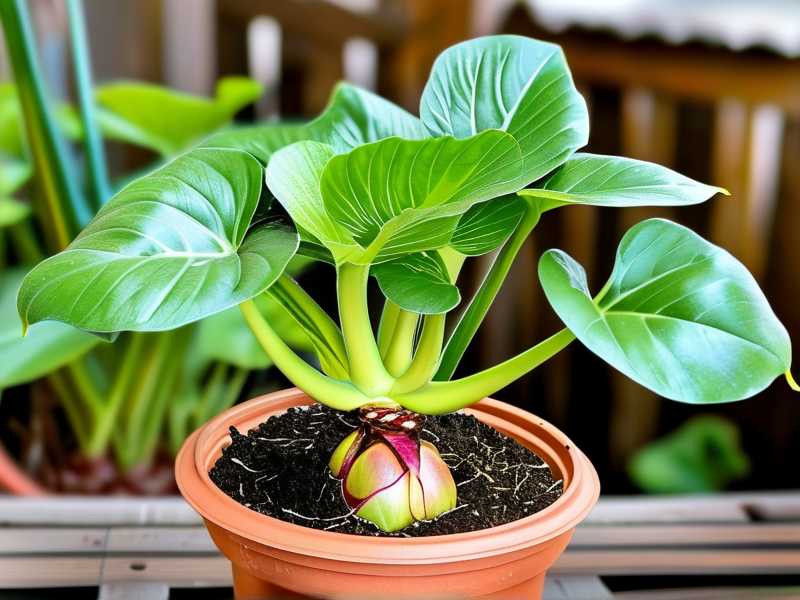
I keep mine about three feet back from an east window. That's been the sweet spot.
Mistake 3: The Wrong Container
Big pots are a trap here. A large pot holds way more soil than a tiny root system can use. That soil stays wet for weeks.
I use 3-inch pots or cell trays. Small volume dries faster, which is what you want.
Also, drainage holes are non-negotiable. I once used a cute ceramic dish with no holes. Every seed in it rotted.
What Happens After Germination
Once sprouts have two or three leaves, usually around week four to six, it's time to pot them up.
Move each one into its own 3-inch pot with a light aroid mix. I use orchid bark, perlite, and peat in roughly equal parts.
Keep them warm. Keep them out of direct sun. Water when the top inch dries.
The AHS points out that tropical houseplants germinated indoors need gradual hardening before they handle normal room conditions. So don't rush them into a dry, drafty spot.
Growth is slow at first. My seedlings took about three months to reach four inches tall with three leaves each. That's normal. Don't feed them until they have at least four leaves, and then use a diluted liquid fertilizer at quarter strength.
Frequently Asked Questions
How long do Aglaonema seeds take to germinate?
Usually 10 to 21 days with fresh seeds and warm, humid conditions. Older seeds can take longer or just never sprout. I've seen root tips as early as day 7 and as late as day 25.
Do Aglaonema seeds need light to germinate?
Yes, they germinate best when barely covered. Press them into the surface and dust them with a thin layer of mix. Burying them deep is one of the most common reasons for failure.
Can I grow Aglaonema from seeds indoors year-round?
You can, but winter is harder unless you use a heat mat. Seeds need steady warmth around 75–80°F. If your house runs cold in January, wait until spring or add bottom heat.
A Few Last Thoughts From Someone Who's Killed Plenty of Seeds
Growing Aglaonema from seed isn't fast, and it isn't foolproof. But it's genuinely rewarding.
Use fresh seeds. Sow them shallow. Keep them warm and barely moist. Watch for mold. And be patient past the two-week mark.
If you only remember one thing, make it this: less water, more warmth, and don't bury the seeds. That combination took me from one sad sprout to a full tray of healthy little plants. You can get there too.