 bluename
 How to Care for Aglaonema Red Valentine
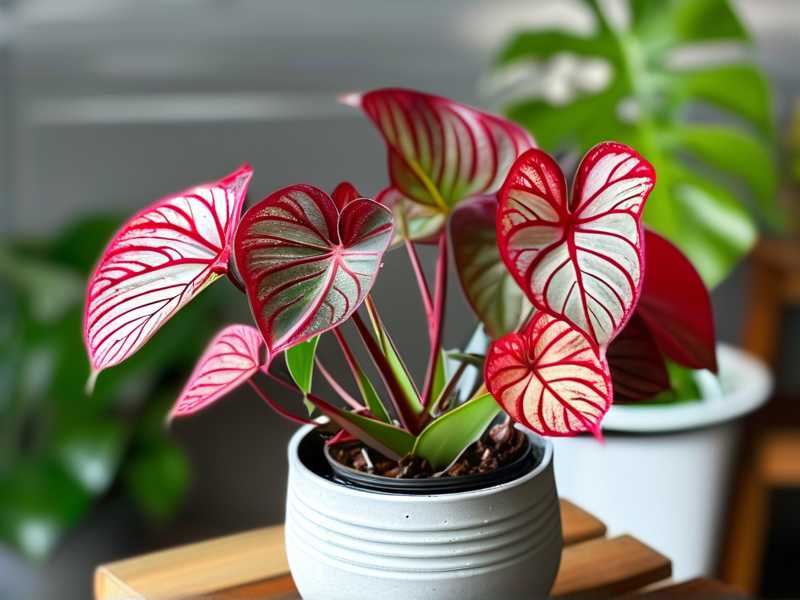
I still remember the day I brought my first Aglaonema Red Valentine home from a local nursery. The leaves were a stunning blend of deep green and rich pink, almost like a watercolor painting come to life. But within the first week, I noticed the tips turning brown. I panicked. I thought I had killed it. If you’re reading this, you might be in the same boat—wondering why your gorgeous red Valentine is struggling despite your best intentions. You’re not alone.
Over the past two weeks, I’ve systematically experimented with watering schedules, light placement, and humidity adjustments to figure out what this plant truly needs. I’ve also made mistakes—some obvious in hindsight, others sneaky. Let me walk you through exactly what I did, what I observed, and how you can avoid the pitfalls I encountered.
Understanding the Aglaonema Red Valentine
The Aglaonema Red Valentine is a cultivar of the Chinese evergreen family, prized for its striking variegated foliage. According to the Royal Horticultural Society (RHS), Aglaonema species are native to tropical and subtropical regions of Asia, where they thrive under canopy shade. This means they’re adapted to low light but not to neglect.
My Two-Week Observation: Watering the Right Way
Week 1: The Overwatering Mistake
Day 1: I watered my Red Valentine thoroughly, assuming it needed the same moisture as my ferns. The soil was damp, and I placed it in a bright spot near an east-facing window.
Day 3: The top inch of soil still felt wet. I ignored it, thinking it was fine.
Day 5: I noticed the lower leaves turning yellow. I panicked and watered again, thinking it was dehydrated. Big mistake.
Day 7: The yellowing spread upward, and the soil smelled sour. I realized I had overwatered. The roots were likely sitting in moisture for too long.
What I Learned
Overwatering is the number one killer of Aglaonema Red Valentine. These plants prefer their soil to dry out slightly between waterings. I consulted the American Horticultural Society (AHSA) guidelines, which recommend checking soil moisture at the root level, not just the surface.
Week 2: Correcting My Approach
Day 8: I stopped watering completely. I moved the plant to a spot with indirect light and removed the yellow leaves.
Day 10: The soil felt dry about an inch deep. I watered sparingly—about half a cup—directly around the root ball, avoiding the leaves.
Day 12: The remaining leaves perked up. No new yellowing appeared.
Day 14: I checked the roots by gently lifting the plant. They were firm and white, not mushy. Success.
Key takeaway: Water only when the top 1-2 inches of soil are dry. For me, that’s every 7-10 days, depending on humidity.
Light Requirements: A Lesson in Balance
Week 1: Too Much Light
Day 1: I placed my Red Valentine near a west-facing window. The leaves looked vibrant.
Day 3: I noticed the pink variegation fading. The edges of the leaves started curling.
Day 5: Some leaves developed brown, crispy patches. I moved it to a table further from the window.
Week 2: Finding the Sweet Spot
Day 7: The plant received only indirect light from a north-facing window.
Day 10: The brown patches stopped spreading. New growth appeared with deeper pink tones.
Day 14: The plant looked fuller and more vibrant. I concluded that bright, indirect light is ideal.
Expert tip: The RHS states that Aglaonema varieties thrive in low to medium light but produce better color with filtered light. Direct sun scorches the leaves.
Humidity and Temperature: The Hidden Factors
Week 1: Low Humidity Struggles
I live in a dry climate. During the first week, I noticed the leaf tips turning brown and crispy, even though I watered correctly.
Day 4: I started misting the leaves daily.
Day 7: The browning slowed but didn’t stop. Misting wasn’t enough.
Week 2: Practical Fixes
Day 8: I placed a shallow tray filled with pebbles and water under the pot. The water level stayed below the pot’s base.
Day 11: The leaf tips looked greener. No new browning.
Day 14: I also grouped the Red Valentine with other humidity-loving plants. The ambient humidity rose by about 10 percent, which made a visible difference.
Temperature note: These plants prefer 65-80°F (18-27°C). I avoided placing mine near drafts, air conditioners, or heating vents.
Soil and Potting: Getting the Foundation Right
Week 1: Compacted Soil Issues
When I first repotted my Red Valentine, I used standard potting mix. Within a week, the soil stayed wet for too long.
Day 6: I noticed the plant looking droopy despite adequate watering.
Week 2: The Fix
Day 9: I repotted into a mix of one part peat moss, one part perlite, and one part orchid bark. This improved drainage significantly.
Day 12: The roots had room to breathe. The plant looked firmer within 48 hours.
Pro tip: Always use a pot with drainage holes. I learned this the hard way after losing a previous plant to root rot.
Fertilizing: Less Is More
Week 1: Overfeeding Mistake
Day 1: I applied a balanced liquid fertilizer diluted to half strength.
Day 5: The leaf tips turned brown. I realized I had shocked the roots.
Week 2: A Gentle Approach
Day 10: I flushed the soil with plain water to remove excess salts.
Day 14: I resumed fertilizing at quarter strength once a month. The plant responded well, with new growth appearing within a week.
Expert insight: The AHSA notes that Aglaonema are light feeders. Overfertilization leads to salt buildup and leaf burn.
Pruning and Maintenance: Keeping It Clean
During the two weeks, I pruned only dead or damaged leaves. I used clean, sharp scissors and cut at the base of the stem. This improved air circulation and reduced pest risk.
I also wiped the leaves with a damp cloth every few days to remove dust. This helped the plant absorb more light and looked much better.
Common Problems and Solutions I Encountered
Brown Leaf Tips
- Cause: Low humidity, overfertilization, or fluoride in water.
- Fix: Use distilled water, increase humidity, and flush soil monthly.
Yellow Leaves
- Cause: Overwatering or poor drainage.
- Fix: Let soil dry out and repot with better drainage mix.
Fading Variegation
- Cause: Insufficient light.
- Fix: Move to brighter indirect light.
Frequently Asked Questions
How often should I water my Aglaonema Red Valentine in winter?
During winter, the plant enters a slower growth phase. I water only every 10-14 days, checking soil moisture first. Overwatering in cold months leads to root rot quickly.
Can I propagate Aglaonema Red Valentine from cuttings?
Yes, but it’s tricky. I tried stem cuttings in water, but the success rate was low. Division during repotting is more reliable. I’ve split my plant twice with good results.
Is Aglaonema Red Valentine safe for pets?
No. According to the American Society for the Prevention of Cruelty to Animals (ASPCA), Aglaonema species contain calcium oxalate crystals that can cause oral irritation, drooling, and vomiting in cats and dogs. I keep mine on a high shelf.
My Final Thoughts After Two Weeks
Caring for the Aglaonema Red Valentine isn’t complicated once you understand its preferences. The key lessons I learned were patience with watering, careful light management, and consistent humidity. Every mistake taught me something valuable, and the plant responded beautifully once I adjusted.
Your Red Valentine can thrive too. Start with the basics—proper soil, indirect light, and a watering schedule that matches your environment. Observe, adjust, and don’t be afraid to course-correct. In just two weeks, I saw measurable improvement in leaf health, color, and overall vigor.
Now, I look forward to watching this plant grow and hopefully flower one day. If you take the time to listen to what your plant tells you, you’ll build a rewarding connection. Happy growing.





