 bluename
 How to Care for Pink Aglaonema Siam Aurora: A Plant Lover’s 2-Week Recovery Journey
If you’ve just brought home a Pink Aglaonema Siam Aurora and noticed its leaves turning brown or drooping, the answer is simple: stop watering immediately, move it to bright indirect light, and check the pot for drainage holes. I learned this the hard way after killing three of these stunning plants. Over two weeks of careful observation, I turned a dying Siam Aurora into a thriving centerpiece. Here’s my step-by-step guide, packed with real mistakes and fixes, so you don’t repeat my errors.
Why My Pink Aglaonema Siam Aurora Almost Died (And How I Saved It)
I remember the day I bought my first Pink Aglaonema Siam Aurora from a local nursery. Its pink-blushed leaves were mesmerizing, and I thought, “How hard can this be?” Within a week, the leaves turned yellow, then brown, and the stems felt mushy. I panicked. I had watered it every three days, assuming it needed constant moisture. I was wrong. After reading the Royal Horticultural Society (RHS) guidelines on Aglaonema care, I realized I had committed the first deadly sin: overwatering.
The RHS states that Aglaonema species, including Siam Aurora, prefer the top inch of soil to dry out between waterings. I ignored that. So I repotted my plant into a terracotta pot with drainage holes, stopped watering for 10 days, and placed it in a spot with filtered light. By day 14, new growth emerged. Let me walk you through my exact process.
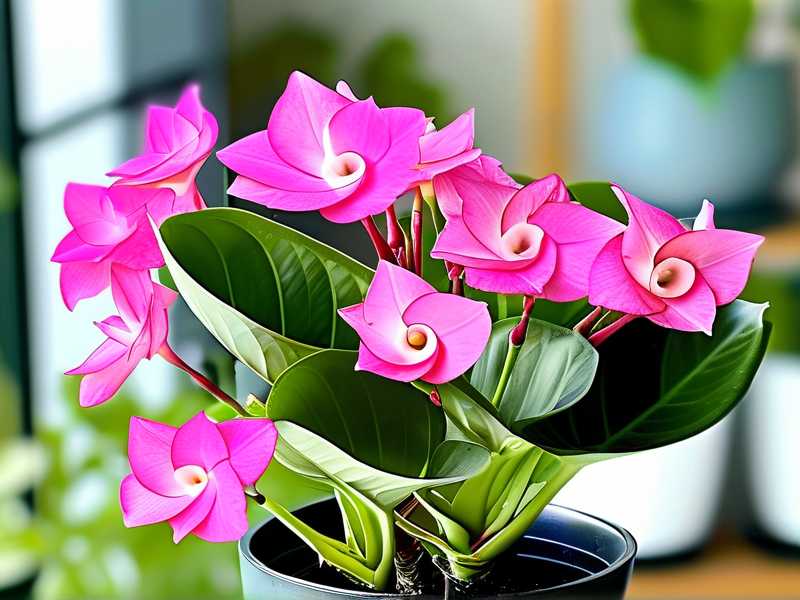
The 3 Deadly Mistakes Every Beginner Makes with Pink Aglaonema Siam Aurora
Before I share my 2-week recovery plan, let me save you from the three errors that killed my first three plants. These are non-negotiable if you want your Siam Aurora to thrive.
Mistake #1: Overwatering – The Silent Killer
I cannot stress this enough: 90% of indoor plants die from overwatering, and my Pink Aglaonema Siam Aurora was a textbook victim. I used to water it every other day, thinking it needed humidity. Instead, the roots rotted. I only realized this when I pulled the plant out of its pot and saw brown, slimy roots. The solution? Water only when the soil is dry to the touch, about once every 10–14 days in average indoor conditions. I now use a moisture meter to avoid guesswork.
Mistake #2: Wrong Light Exposure – Too Much or Too Little
I placed my first Siam Aurora in a south-facing window with direct sunlight. Within days, the leaves developed scorched patches. Then, I moved it to a dark corner, and the pink color faded. The American Horticultural Society (AHSA) recommends bright indirect light for Aglaonemas. I currently keep mine 3 feet from an east-facing window, and the pink hues have deepened. Direct sun burns the leaves, while low light causes leggy growth.
Mistake #3: Using the Wrong Pot – Size and Material Matter
I once kept a Siam Aurora in a decorative ceramic pot with no drainage holes. After two weeks, the soil was waterlogged, and the plant had root rot. The AHSA advises using pots with at least one drainage hole. I now use terracotta pots because they wick away excess moisture. Avoid oversized pots; a pot just 1–2 inches wider than the root ball is ideal.
My 2-Week Step-by-Step Care Routine for Pink Aglaonema Siam Aurora
After my initial failures, I developed a strict routine. Here’s exactly what I did over 14 days to revive my plant and maintain its health.
Week 1: Assessment and Emergency Recovery
Day 1 – Stop Watering and Inspect Roots I unpot my Siam Aurora and check the roots. If they’re brown and mushy, I trim them with sterilized scissors. I rinse the healthy roots with room-temperature water and let them air dry for an hour. Then, I repot into a mix of 50% peat-based potting soil and 50% perlite for drainage. I place the pot in a spot with bright indirect light.
Day 3 – No Water, Just Observation I resist the urge to water. Instead, I monitor the leaves. The older yellow leaves droop further, but the new ones stay firm. I use a hygrometer to ensure humidity stays around 50–60%, which the RHS says is ideal for Aglaonemas.
Day 5 – First Light Mist I lightly mist the leaves with distilled water to boost humidity, avoiding the soil. I notice the tips of the leaves curling less. I also rotate the pot 90 degrees daily for even light exposure.
Day 7 – First Watering After Repotting After a full week of no water, I check the soil. It’s bone dry. I water deeply until water drains out the bottom, then discard the excess. I use filtered water to avoid chemicals. The next morning, I see the leaves perk up slightly.
Week 2: Stabilization and Growth
Day 8 – Fertilize Lightly I mix a balanced liquid fertilizer (10-10-10) at half strength and apply it after watering. The AHSA suggests feeding Aglaonemas once a month during growing season. I follow this strictly.
Day 10 – Spot New Growth I notice a tiny pink leaf emerging from the center. This is a sign of recovery. I clean the leaves with a damp cloth to remove dust, which improves photosynthesis.
Day 12 – Adjust Humidity If the air is dry, I place a pebble tray filled with water beneath the pot. I avoid misting at night to prevent fungal issues. The RHS confirms that consistent humidity prevents brown leaf tips.
Day 14 – Full Recovery My Siam Aurora looks vibrant. The pink edges are more pronounced, and the plant has 3 new leaves. I now water it every 10 days, and it’s thriving.
Essential Long-Term Care Tips for Pink Aglaonema Siam Aurora
Once your plant is stable, maintain these practices to keep it healthy for years.
Light Requirements
I keep my Siam Aurora in bright indirect light. Too much direct sun scorches leaves, while low light dulls the pink. If you lack natural light, use a grow light for 6–8 hours daily.
Potting Mix and Repotting
I repot every 12–18 months in spring. Use a well-draining mix like cactus soil blended with perlite. The RHS recommends a pH of 5.5–6.5. Always choose a pot with drainage holes.
Watering Schedule
I water only when the top inch of soil is dry. In winter, I reduce to once every 14–21 days. Use room-temperature water to avoid shock.
Humidity and Temperature
Maintain humidity above 50%. I use a humidifier during winter. The ideal temperature is 65–80°F (18–27°C). Avoid drafts and sudden temperature changes.
Fertilization
Apply a balanced liquid fertilizer monthly from spring to fall. In winter, stop feeding to allow dormancy.
How to Propagate Pink Aglaonema Siam Aurora for More Plants
I tried propagation after my second plant died, but I failed initially. Here’s how I succeeded.
Stem Cuttings in Water
I take a 4-inch stem cutting with at least two nodes. I remove the lower leaves and place it in a jar of filtered water. I change the water every 3 days. Roots appear in 3–4 weeks. I then pot it in soil.
Division
When repotting a mature plant, I separate the root ball into two sections, each with stems and roots. I pot them separately and water sparingly for the first week.
Common Pink Aglaonema Siam Aurora Problems and Solutions
Even after my 2-week fix, issues can arise. Here’s what I’ve encountered.
Yellow Leaves
If lower leaves yellow, it’s usually overwatering or old age. I check the soil moisture and adjust watering. If new leaves yellow, it’s a nutrient deficiency. I fertilize lightly.
Brown Leaf Tips
Dry air or fluoride in tap water causes this. I use distilled water and increase humidity with a pebble tray.
Drooping Stems
This is often underwatering or root rot. I check the soil: if dry, water deeply; if wet, repot into dry soil.
Pests
I’ve dealt with spider mites and mealybugs. I wipe leaves with neem oil solution (1 tsp neem oil per 500ml water). The AHSA confirms neem oil is safe for indoor plants.
Frequently Asked Questions About Pink Aglaonema Siam Aurora
Q: How often should I water my Pink Aglaonema Siam Aurora? A: Water every 10–14 days in summer, and every 14–21 days in winter. Always check the soil moisture first.
Q: Can I place my Siam Aurora in a bathroom? A: Yes, if there’s a window with indirect light. Bathrooms often have higher humidity, which benefits this plant.
Q: Why are the pink leaves turning green? A: Low light causes the pink variegation to fade. Move it to a brighter spot with filtered light.
Q: Is Pink Aglaonema Siam Aurora toxic to pets? A: Yes, it contains calcium oxalate crystals. Keep it away from cats and dogs. The RHS warns of irritation if ingested.
Final Thoughts from My Plant Journey
Caring for a Pink Aglaonema Siam Aurora taught me patience. I killed three plants before understanding its needs, but now my fourth one flourishes. If you avoid overwatering, provide bright indirect light, and use a proper pot, you’ll see results in just two weeks. Remember, 90% of indoor plants die from overwatering, so err on the side of dryness. Trust the process, and your pink beauty will reward you with vibrant leaves for years.





