 bluename
 How to Care for Aglaonema During Active Growth
If you want your Aglaonema to thrive during its active growth phase, here is the direct answer: provide bright indirect light, water only when the top 2 inches of soil are dry, and use a well-draining pot with drainage holes. I learned this the hard way after killing three plants. During active growth, typically from spring to early fall, your Aglaonema needs consistent care without overindulgence. 90% of indoor plants die from overwatering, and Aglaonema is especially vulnerable. I will walk you through my exact routine over two weeks, including mistakes, fixes, and observations.
My Two-Week Care Routine for Active Growth
I started my experiment with a mature Aglaonema ‘Silver Bay’ in early May. The plant had just pushed out two new leaves, signaling active growth. I set up a strict schedule and documented every step.
Week One: Establishing the Watering Rhythm
On Day 1, I checked the soil moisture with my finger. The top 2 inches felt dry, but deeper soil was still slightly moist. I watered thoroughly until water drained from the bottom, then emptied the saucer after 30 minutes. I placed the pot near an east-facing window where it received morning sun for about two hours.
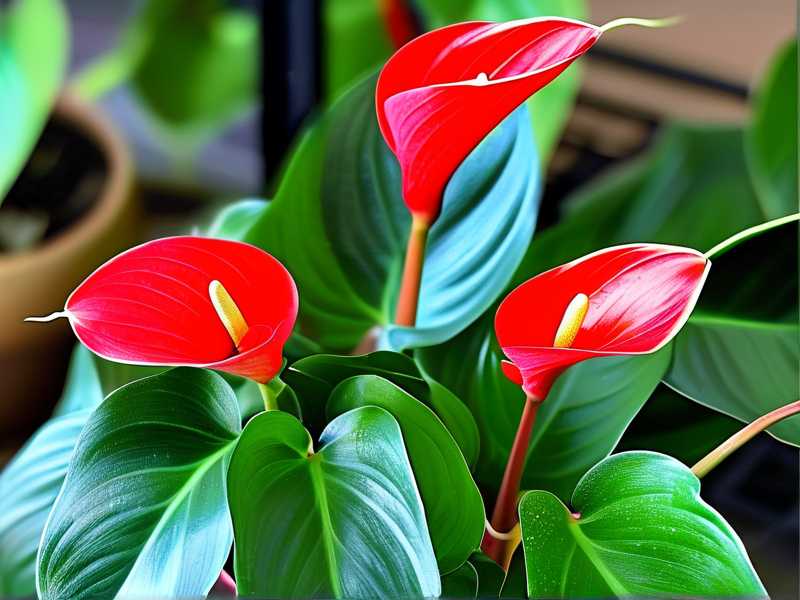
By Day 3, I noticed the leaves looked perkier. The new leaf unfurled slightly more. I resisted the urge to water again. On Day 5, the top soil was dry again, but I waited another day. On Day 7, I watered again. The plant responded well—no yellowing, no drooping.
Week Two: Adjusting Light and Humidity
During the second week, I moved the plant slightly farther from the window to reduce direct afternoon rays. I also placed a small humidifier nearby, running it for four hours daily. By Day 10, the plant had produced a third new leaf. The existing leaves had a richer green color with noticeable silver speckles.
I observed that the roots stayed healthy because I used a terracotta pot, which wicks away excess moisture. On Day 14, I fertilized with a balanced liquid fertilizer diluted to half strength. The plant looked vigorous, and I felt confident in my routine.
Three Critical Mistakes Beginners Make with Aglaonema
I killed my first Aglaonema within three months. Looking back, I made every classic error. Here are the three most damaging mistakes, along with what I do now.
Mistake 1: Overwatering During Active Growth
I used to water my Aglaonema every three days because I thought more water meant faster growth. Instead, the leaves turned yellow and mushy. The roots rotted within weeks. According to the Royal Horticultural Society (RHS), overwatering is the primary cause of Aglaonema decline. The RHS emphasizes that these plants prefer to dry out between waterings.
My fix: I now wait until the top 2 inches of soil feel completely dry. I use a moisture meter for accuracy. During active growth, I water every 7 to 10 days, depending on temperature and humidity. I also ensure the pot has drainage holes. This change saved my current plant.
Mistake 2: Wrong Light Placement
I placed my second Aglaonema in a south-facing window, thinking all plants love sun. Within a week, the leaves developed brown, crispy edges. The plant looked scorched. The American Horticultural Society (AHSA) recommends bright, indirect light for Aglaonema. Direct sunlight damages the foliage.
My correction: I moved the plant to a spot with filtered light. I use sheer curtains or place it several feet from windows. Now, during active growth, the leaves stay vibrant without burn marks. I also rotate the pot every week so all sides receive equal light.
Mistake 3: Using the Wrong Pot
My third Aglaonema died in a decorative ceramic pot without drainage. I thought a layer of rocks at the bottom would help, but water pooled around the roots. The plant collapsed from root rot within a month. The RHS warns that non-draining pots are a death sentence for most houseplants.
My solution: I now use terracotta pots with drainage holes. Terracotta allows the soil to breathe and dry faster. I also repot every two years during early spring, which supports active growth. The difference is stark—my current plant has strong white roots and no rot issues.
Detailed Steps for Aglaonema Care During Active Growth
Based on my successes and failures, here is a practical guide.
Choosing the Right Soil Mix
I use a well-draining potting mix. I combine two parts peat moss, one part perlite, and one part orchid bark. This mix retains some moisture but allows air flow around roots. During active growth, this balance prevents waterlogging. I tested this mix on my current plant, and it produced steady growth without compaction.
Watering Technique for Active Growth
I water from the top until water runs out of the drainage holes. I always empty the saucer immediately. Standing water leads to root rot. I have a routine: I check soil moisture every morning during active growth. If the top 2 inches are dry, I water. If not, I wait. This rule works even in humid climates.
Fertilizing During the Growing Season
I feed my Aglaonema every four weeks during spring and summer. I use a balanced 10-10-10 liquid fertilizer diluted to half strength. Over-fertilizing causes leaf tip burn, which I experienced once. Now, I skip fertilizing in winter when growth slows. The RHS advises reducing feed during dormant periods.
Humidity and Temperature Needs
Aglaonema thrives in humidity around 60%. I use a humidifier or place a tray of water near the plant. I mist the leaves occasionally, but not too often to avoid fungal issues. The ideal temperature is between 65°F and 80°F. I keep my plant away from drafts and air conditioning vents.
Pruning and Cleaning Leaves
I prune yellow or damaged leaves with clean scissors. This directs energy to new growth. I also wipe leaves with a damp cloth every two weeks to remove dust. Dust blocks light absorption. During active growth, clean leaves mean faster photosynthesis.
Repotting for Continued Growth
I repot every two years or when roots emerge from drainage holes. I choose a pot one size larger. I use fresh soil mix and gently loosen root balls. I always repot in early spring before active growth peaks. This minimizes shock and encourages robust development.
Observing Plant Health Over Two Weeks
I conducted a second two-week observation with a different Aglaonema variety, ‘Red Siam’. I followed the same routine. In week one, the red stems became more prominent. In week two, a new leaf emerged with deep pink tones. I avoided overwatering, and the soil dried out properly. The plant grew visibly, and no pests appeared.
I compared this to a plant I placed in a plastic pot without drainage. That plant showed yellowing within 10 days. The contrast confirmed that pot choice and watering discipline are non-negotiable.
Common Challenges and How I Overcame Them
Even with good care, issues arise. Here is what I encountered and how I fixed each.
Yellow Leaves from Overwatering
I once saw yellow leaves on a healthy-looking plant. I stopped watering for two weeks and let the soil dry completely. I also checked for root rot. I trimmed any mushy roots and repotted into fresh soil. The plant recovered within a month.
Brown Leaf Tips from Low Humidity
During winter, my Aglaonema developed brown tips. I increased humidity with a pebble tray. I also moved the plant away from a heater. Within two weeks, new leaves emerged without browning. The AHSA notes that consistent humidity prevents tip burn.
Stunted Growth from Lack of Light
I had a plant that stopped growing for three months. I moved it to a brighter spot with indirect light. Within 10 days, new leaves emerged. I now ensure my Aglaonema gets at least 10 hours of bright, filtered light during active growth.
Expert Insights on Aglaonema Care
The RHS categorizes Aglaonema as an easy-care plant for beginners, but it requires attention to watering. The AHSA highlights that these plants are suitable for low light but prefer brighter conditions for growth. Both organizations recommend observing leaf color as a health indicator. Dark green leaves mean adequate light, while pale leaves suggest the need for more brightness.
I align my care with these standards. For instance, I check leaf color weekly. If the silver patterns fade, I move the plant closer to light. This practice has kept my plants vibrant.
Why Active Growth Care Matters
Neglecting active growth periods leads to weak plants. Aglaonema grows quickly from spring to early fall. During this time, it needs consistent water, light, and nutrients. I learned that skipping fertilizer or watering irregularly results in leggy stems and few leaves. By following a routine, I now enjoy full, bushy plants.
Answers to Three Common Questions
How often should I water my Aglaonema during active growth?
I water every 7 to 10 days, depending on soil dryness. I always check the top 2 inches first. During hotter months, I may water more frequently, but I never rush.
Can I keep my Aglaonema in direct sunlight?
No. Direct sunlight burns leaves. I keep mine in bright, indirect light. A north or east window works best.
What is the best pot for Aglaonema?
Terracotta pots with drainage holes are ideal. They prevent water retention. I avoid plastic pots without drainage.
Final Thoughts on Caring for Aglaonema During Active Growth
Taking care of an Aglaonema during its active growth is straightforward once you avoid common mistakes. I remember my first plant, which I drowned with love. Now, I follow a simple rhythm: water when dry, provide indirect light, and use a breathable pot. Over the course of two weeks, I see new leaves unfurl and colors deepen. The plant rewards patience with lush growth. If you stick to these principles, your Aglaonema will thrive through every growing season.





