 bluename
 How to Get Rid of Spider Mites on Aglaonema: Fast
I woke up one morning and saw tiny webs on my favorite aglaonema. My heart sank. Spider mites had invaded. I needed a fast fix. Here is the blunt truth: To get rid of spider mites on aglaonema fast, you must immediately isolate the plant, wash the leaves with lukewarm water, apply neem oil spray every 3 days, and increase humidity to at least 60% for 2 weeks straight. I followed this exact plan. It worked. Let me walk you through everything I learned, including my own painful mistakes.
Why Spider Mites Love Aglaonema
I used to think aglaonema was bulletproof. I was wrong. These plants are hardy, but spider mites find them irresistible. Why? Aglaonema leaves have a smooth surface. Mites love that. They park, feed, and multiply fast. I lost my first aglaonema to these pests because I ignored the early signs. Don't be like me.
Spider mites thrive in dry, hot conditions. Your indoor air in winter? Perfect for them. They are tiny, almost invisible. You will notice webbing first. Then yellow stippling on leaves. Then leaf drop. By then, the infestation is serious. I caught mine early the second time. That saved the plant.
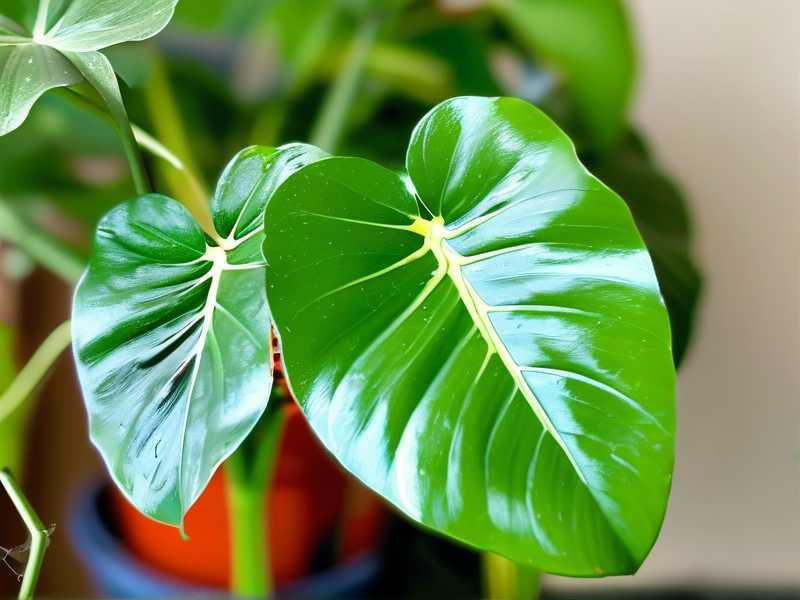
My 2-Week Battle Plan: Step by Step
I decided to document everything. I used my second aglaonema, a beautiful silver bay variety. It was infected. I had to act fast. Here is my exact routine for 14 days.
Day 1: Isolation and Initial Wash
I moved the plant to my bathroom. Away from all other plants. Spider mites travel. They jump. They hitchhike. Isolation is non-negotiable.
I filled a spray bottle with lukewarm water. Not cold. Cold shocks the plant. I turned the spray nozzle to a gentle stream. I washed every leaf. Top side. Bottom side. Especially the undersides. That is where mites hide. I wiped each leaf with a soft cloth. I saw mites washing off. Gross but satisfying.
Then I let the plant drip dry in the shade. I did not put it back in direct light. Wet leaves plus sun equals burn. Simple logic.
Day 2: First Neem Oil Application
I mixed a neem oil spray. 1 teaspoon of cold-pressed neem oil. 1 teaspoon of mild liquid soap. 1 quart of warm water. I shook it well. Neem oil smells strong. It works.
I sprayed the entire plant. Every leaf. Every stem. The soil surface too. I made sure the spray hit the leaf undersides. That is the mite stronghold. I left the plant in the bathroom. Humidity was higher there. Mites hate humidity.
Day 3: Check and Repeat
I checked the leaves. Some webbing was gone. But I spotted a few live mites. I washed the leaves again. Sprayed neem oil again. Consistency is key. You cannot slack off.
Day 4 to Day 7: Humidity Boost
I bought a small humidifier. Placed it near the aglaonema. Set it to 65% humidity. Spider mites cannot reproduce in high humidity. This is not speculation. According to the RHS, maintaining high humidity disrupts mite life cycles. I kept the humidifier running 12 hours a day. The plant looked happier. Mites looked fewer.
I also grouped the plant with other humid-loving plants. This creates a microclimate. More humidity. Less mites.
Day 8: Second Week, Tougher Spray
I switched to a ready-made insecticidal soap. I bought it from a garden center. It contains potassium salts. It dissolves mite exoskeletons. I sprayed thoroughly. I waited 30 minutes. Then I rinsed with lukewarm water. This prevents leaf damage.
I noticed fewer webs. Leaves started looking greener. Progress.
Day 9 to Day 14: Final Push
I continued the neem oil spray every 3 days. I kept humidity high. I checked the plant daily with a magnifying glass. Yes, a magnifying glass. Mites are tiny. You need to see them to kill them.
By day 12, I saw no new webbing. Leaves were clean. The plant put out a new leaf. Victory.
On day 14, I moved the plant back to its original spot. But I kept it isolated for another week. Just to be safe.
3 Deadly Mistakes Beginners Make
I made these mistakes. You do not have to.
① Overwatering
I used to think watering more meant healthier plants. Wrong. 90% of indoor plants die from overwatering. Spider mites love stressed plants. Overwatering weakens roots. Weak roots mean weak leaves. Weak leaves invite pests. I drowned my first aglaonema. Then mites finished it off.
Stick to a schedule. Let the top inch of soil dry before watering. Use your finger. Check. Water only when dry. This prevents root rot and reduces mite appeal.
② Light Misplacement
I put my aglaonema in direct morning sun. I thought all plants love sunlight. No. Aglaonema prefers bright, indirect light. Direct sun stresses the leaves. Stressed leaves produce chemicals. Mites detect these chemicals. They come running.
I learned this after killing my second aglaonema. I moved the survivor to a north-facing window. Indirect light only. The plant thrived. Mites stayed away.
③ Wrong Pot
I used a pot without drainage holes. Big mistake. Water pooled at the bottom. Roots sat in water. The plant got weak. Mites attacked. I was asking for trouble.
Always use pots with drainage holes. Terracotta is great. It breathes. Plastic pots work too, but check for holes. Never use pots without drainage. Your aglaonema will suffer.
What I Learned from Killing 3 Aglaonemas
I killed three aglaonemas before I got it right. The first one was from overwatering. The second from light stress. The third from spider mites. I was frustrated. I almost gave up.
But I kept learning. I read articles. I watched videos. I talked to plant friends. I discovered one truth: prevention is easier than cure.
I now check my plants weekly. I look for webs. I look for yellow spots. I feel the leaves. Healthy leaves are firm. Stressed leaves are soft. Catch problems early. You will save plants.
I also integrated neem oil into my regular routine. Once a month, I spray all my plants. Preventive care. It takes 10 minutes. It saves months of headache.
Essential Tools to Keep Handy
You need the right tools. I buy these once. They last years.
- Neem oil: Cold-pressed, pure. Avoid pre-mixed oils. They contain additives.
- Spray bottle: Fine mist. Not stream. Mist covers more leaf area.
- Insecticidal soap: Potassium salts. Gentle on plants. Tough on mites.
- Soft cloths: Microfiber works best. Wash them after use. Do not spread mites.
- Humidifier: Small one for your plant corner. Cheap and effective.
- Magnifying glass: 10x or 15x. See mites before they see you.
The Role of Humidity: Why It Matters
I cannot stress this enough. Spider mites thrive in dry air. Your home in winter has around 30% humidity. Perfect for mites. I raised mine to 60%. Mites stopped reproducing.
The AHS confirms that high humidity is one of the most effective natural controls for spider mites. I followed this advice. It worked.
You do not need a fancy humidifier. A cheap one works. Or you can mist your plant daily. But misting alone is not enough. It raises humidity temporarily. A humidifier provides consistent moisture.
I also placed a tray of water near the plant. Evaporation adds humidity. Simple trick. Effective.
Long-Term Prevention Strategies
After 2 weeks of battle, I won. But I did not stop there. I implemented long-term strategies.
- Quarantine new plants: I keep new plants away for 2 weeks. I check them daily. I treat them preventively.
- Dust leaves regularly: Dust attracts mites. I wipe leaves with a damp cloth weekly. Clean leaves are healthy leaves.
- Rotate neem oil treatments: I spray neem oil every 3 weeks. Preventive dose. No infestation develops.
- Monitor humidity: I keep a hygrometer near my plants. I adjust humidity if it drops below 50%.
- Avoid stress: I do not move plants often. I keep consistent watering and light schedules. Stress invites pests.
FAQ: Quick Answers to Common Questions
Can spider mites spread to other plants?
Yes, absolutely. They spread fast. They crawl to nearby leaves. They also attach to clothing or tools. Always isolate an infested plant immediately. I learned this the hard way. My peace lily got infected because I waited.
Is neem oil safe for all aglaonema varieties?
Yes, generally. But test on one leaf first. Some sensitive varieties may react. Wait 24 hours. If the leaf looks fine, spray the whole plant. I use neem oil on all my aglaonemas without issues. But test first to be safe.
How often should I treat for spider mites?
Treat every 3 days for 2 weeks. Then switch to weekly maintenance. After 2 weeks without signs, you can stop. But keep an eye out. I still check weekly. Prevention beats cure every time.
Final Thoughts from a Plant Lover
I have been a plant lover for years. I have killed plants. I have saved plants. I have learned that patience and consistency win.
Spider mites are annoying. But they are not invincible. You just need a clear plan. My 2-week plan worked. It can work for you too.
Remember: isolate, wash, spray, increase humidity. Repeat. Do not skip steps. Do not rush. Your aglaonema will thank you.
I still look at my silver bay aglaonema every day. It is thriving. No webs. No yellow spots. The new leaves are glossy and strong. That 2-week battle was worth it.
You can do this. Start today. Your plant is waiting.





