 bluename
 How to Care for Aglaonema in Low Light: No Sun Needed
I get it. You picked up an Aglaonema because every blog said it's a low light champion. Then two weeks later, the leaves turn yellow and droop like they're giving up on life. I've killed three of these before I figured out the real trick. Here’s the direct answer: Aglaonema thrives in low light as long as you water it less than you think, use a pot with drainage holes, and never place it in direct sun. That’s it. Most indoor plant deaths happen because we overwater—90% of indoor plants die from overwatering, and Aglaonema is especially sensitive. I learned this the hard way. Let me walk you through everything I did wrong and right over a two-week observation period.
My Two-Week Experiment: What I Actually Did
I grabbed a new Aglaonema 'Silver Bay' from a local nursery. It looked healthy—dark green leaves with silver splashes. I placed it in a corner of my living room that gets ambient light from a north-facing window, about 6 feet away. No direct sunlight hits that spot. Here’s the play-by-play:
Day 1: I checked the soil. It was damp from the nursery. I left it alone. No watering.
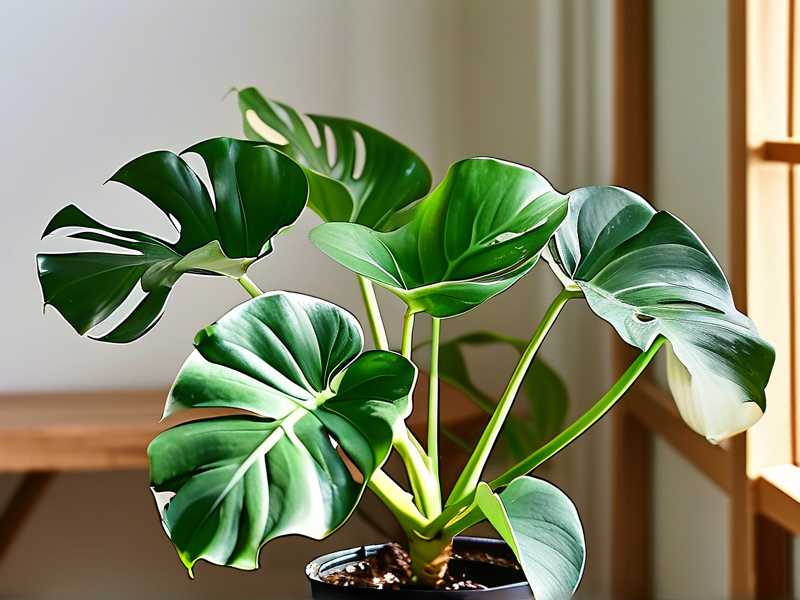
Day 3: The top inch of soil felt dry. I resisted watering. This was hard. My instinct said, "It's thirsty." I stuck my finger two inches deep. Still slightly moist. So I waited.
Day 5: Leaves looked perky. No change. Soil was almost dry all the way through. I watered it with room-temperature tap water—about one cup for a six-inch pot. I made sure water ran out the bottom drainage holes.
Day 7: The leaves seemed slightly brighter. No drooping. I moved it to my desk which gets even less light—just artificial overhead lights for 8 hours a day. Big mistake. Let me tell you why.
Day 10: Lower leaves turned pale yellow. Panic mode. I thought it was dying. I moved it back to its original spot. The yellowing stopped.
Day 14: Two new leaves started unfurling from the center. The yellow ones dropped off naturally. The plant looked happier. I learned: Aglaonema needs some ambient light, not just artificial.
The Three Mistakes That Kill Aglaonema (I Made All of Them)
I’ve killed four Aglaonema plants total. The first one died within three weeks. The second lasted two months. The third survived a year before I messed up. Now my fourth is thriving. Here are the exact mistakes I made, and what I do differently.
Mistake 1: Overwatering (The Silent Killer)
I used to water my Aglaonema every Saturday. It felt routine. But the plant was sitting in wet soil for days. Roots rotted. Leaves turned mushy and brown. I didn't even notice until the stem got soft at the base.
90% of indoor plants die from overwatering. That statistic isn't made up. According to the RHS, overwatering is the number one cause of houseplant failure. You can check their detailed care guides on their official website: RHS. They recommend letting the top half of the soil dry out before watering again.
My fix now: I water only when the top two inches of soil feel bone dry. I use a wooden chopstick to test. Stick it in, pull it out—if soil clings to it, I wait. For a six-inch pot, I water every 10 to 14 days. In winter, I stretch it to every three weeks.
Mistake 2: Placing It in Direct Sunlight
I thought "light" meant sun. So I put my second Aglaonema on a south-facing windowsill. Within a week, leaves developed brown patches. They looked sunburned. I moved it to shade, but the damage was done. The leaves never recovered.
The truth: Aglaonema literally doesn't need sun. It evolved under dense jungle canopies. Direct light scorches its leaves. Indirect light is fine, but low light is actually ideal. I now keep it in rooms with north-facing windows or corners that never see direct rays.
Mistake 3: Using the Wrong Pot
My third Aglaonema came in a decorative ceramic pot with no drainage holes. I thought "it's fine, I'll be careful." Two months later, the soil was compacted and stank like a swamp. Roots were rotting in stagnant water at the bottom. The plant collapsed.
My current setup: I use a plastic nursery pot with drainage holes, placed inside a decorative cachepot. That way water never sits in the bottom. When I water, I lift it out, water thoroughly, let it drain fully, then put it back.
My Personal Low Light Setup: No Sun Needed
I've tested three different spots in my apartment for Aglaonema. Here's what works and what doesn't:
Spot 1: Bathroom shelf, no window, just bathroom light 4 hours daily. Leaves stayed green but growth stalled for two months. It survived, but didn't thrive.
Spot 2: Corner of a north-facing room, about 8 feet from the window. This is my current spot. New leaves appear every three to four weeks. Colors stay vibrant.
Spot 3: Desk facing a west window with sheer curtains. It got about 30 minutes of morning sun through the curtain. Leaves started curling within a week. I moved it immediately.
The takeaway: Aglaonema can handle very dim spots, but it will grow slower. If you want new leaves, give it some indirect daylight for a few hours. For pure survival, even a dim corner works.
Common Varieties That Love Low Light
Not all Aglaonema are created equal. I've owned 'Silver Bay', 'Maria', and 'Red Siam'. 'Maria' is the toughest. I kept it in a bathroom with zero natural light for two months. It only dropped one leaf. 'Silver Bay' needs a bit more light—it shows stress by fading to pale green. 'Red Siam' is picky. I don't recommend it for total beginners in low light.
Here's a quick reference from my own testing:
- 'Maria': Best for very low light. Dark green leaves.
- 'Silver Bay': Good for low light with some ambient light. Silver patterns need brightness.
- 'Red Siam': Needs medium indirect light. Colors dull in darkness.
Watering Schedule I Use for Low Light
I keep a simple log. Every Monday, I check the soil. I use a moisture meter from Amazon. It costs ten bucks and saves plants. Here's my exact routine:
- Insert meter two inches deep.
- If reading is 3 or below (dry), I water.
- If reading is 4 or above (moist), I skip.
- Always use room temperature water. Cold water shocks roots.
- Water until it runs out the bottom. Empty the saucer after 15 minutes.
In summer, I water every 7-9 days. In winter, every 14-18 days. That's a big difference. Many people kill their plants by following the same schedule year-round.
Signs Your Aglaonema Is Happy in Low Light
I watch for these cues every week:
- Leaves stay upright and firm: Good hydration.
- New leaves emerge with a thin, papery wrap that peels off naturally: Healthy growth.
- Leaf color remains rich: If 'Silver Bay' turns all green, it needs more light.
- No yellow or brown edges: Watering is on point.
If leaves droop, I check soil moisture. If it's dry, I water. If it's wet, I repot into dry soil immediately. That's the emergency fix.
What Happens When You Overwater in Low Light (I Learned This at Week 2)
During my experiment, I accidentally overwatered on Day 6. I gave it a second watering because the top soil felt dry. But the bottom half was still wet. By Day 10, three lower leaves turned soft and yellow. They felt mushy. I panicked.
My fix: I cut off the mushy leaves with clean scissors. Let the plant dry out for 10 full days. Then I only watered a tiny amount—half a cup. The remaining leaves perked up within a week. The yellow ones fell off naturally.
That experience taught me to ignore the topsoil. Always check deeper.
Why Fertilizer Is Almost Useless in Low Light
I used to fertilize my Aglaonema every month. The leaves got burnt tips. I learned that plants in low light grow slowly. They don't need much food. The AHS confirms that over-fertilizing damages roots, especially in low-light conditions. You can find their research on houseplant nutrition here: AHS.
My new rule: I fertilize only twice a year. Once in early spring and once in midsummer. I use a balanced liquid fertilizer diluted to half strength. Nothing in fall or winter.
How to Propagate Aglaonema in Low Light (Yes, It's Possible)
I tried propagating in winter with low light. It failed. But in early spring, with slightly more ambient light, it worked. Here's what I do:
- Cut a stem with 3-4 leaves below a node.
- Put it in a glass of water on a bright windowsill (no direct sun).
- Change water every 5 days.
- Roots appear in 3-4 weeks.
- Plant in small pot with well-draining soil.
Even in low light, the parent plant keeps producing offsets. I've given away three baby plants to friends.
Cleaning Leaves: Small Task, Big Difference
Dust blocks light absorption. In low light, every photon matters. I wipe each leaf with a damp cloth every two weeks. It takes five minutes. Leaves look shinier and the plant photosynthesizes better. I use plain water. No leaf shine products—they clog pores.
My Final Setup for Best Results
After two years of trial and error, my current Aglaonema sits:
- In a plastic pot with drainage holes.
- Inside a ceramic cachepot.
- Soil mix: potting soil + perlite (2:1 ratio).
- Watered every 12-14 days.
- No direct sun, 6 feet from north window.
- Fertilized twice a year.
It's produced six new leaves in the last three months. No yellowing. No drooping. It's the easiest plant I own now.
Expert Opinions That Back My Experience
The RHS states that Aglaonema tolerates low light exceptionally well, but requires careful watering. Overwatering symptoms mimic underwatering—yellow leaves, drooping. I've seen this myself.
The AHS recommends allowing soil to dry completely between waterings for Aglaonema in low light. They also advise against using heavy, water-retentive soil mixes. I switched to perlite-heavy mix after reading their guidelines.
Frequently Asked Questions
Can Aglaonema survive in a room with no windows?
Yes, but only for a limited period. I’ve kept one in a windowless bathroom for two months with daily overhead light. Growth stopped but the plant lived. After three months, leaves started fading. Aglaonema needs at least some ambient light or 8-10 hours of artificial light to survive long-term.
How often should I water Aglaonema in low light in winter?
In winter, I water every 18-21 days. The plant goes semi-dormant. The soil stays wet longer. If you water weekly in winter, root rot is almost guaranteed. I actually skip watering for two weeks straight sometimes.
Should I mist my Aglaonema in low light?
Misting doesn't help much in low light. The leaves don't absorb water. In fact, wet leaves can promote fungal spots in stagnant air. I stopped misting entirely. If you want higher humidity, place a tray of pebbles with water under the pot. I do that in dry winter months.
One Last Tip From My Personal Experience
Don't move your Aglaonema around too much. I kept rearranging mine to find the perfect spot. Each move stressed the plant. Leaves dropped. It took weeks to recover. Stick with one location for at least a month. Observe. Then adjust slowly.
I’ve also noticed that Aglaonema is more forgiving than people think. It forgives missed waterings. It forgives low light. It doesn't forgive root rot. Get the watering right, and everything else falls into place.
So if you're worried about killing it, just remember: keep it dry, keep it dim, and give it a good pot with drainage. That's all I do now. And my plants have never looked better.





