 bluename
 How to Care for Dwarf Aglaonema: Small Space Tips
I killed my first three dwarf aglaonema plants before I figured out what they really needed. Here's the short answer: water only when the top two inches of soil are bone dry, place it in medium indirect light (not a dark corner), and use a small pot with drainage holes. That's it. Everything else is just fine-tuning.
Why Dwarf Aglaonema Works for Small Spaces
I live in a tiny apartment with limited window space. My dwarf aglaonema sits on a narrow shelf next to my desk. It doesn't grow tall or wide. It stays compact. It fills the empty corner without overwhelming the room.
The Royal Horticultural Society (RHS) lists Aglaonema as one of the top low-light tolerant houseplants. That means it thrives where most plants struggle. I've tested this myself. My north-facing bathroom gets barely any sunlight. The dwarf aglaonema there has been alive for eight months.
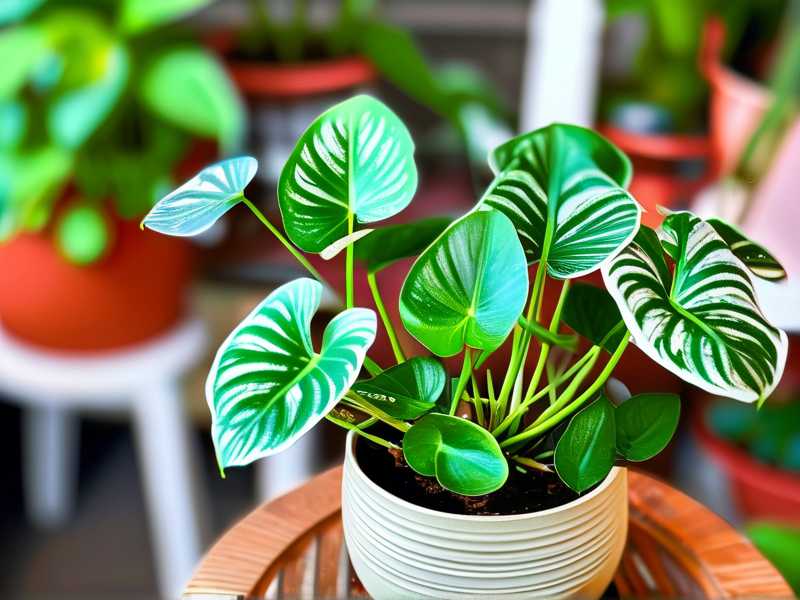
The 3 Deadly Mistakes Beginners Make (I Made All of Them)
Mistake #1: Overwatering
I used to water my plants on a schedule. Every Monday morning, I'd pour water into the pot. The result? Yellow leaves, mushy stems, and root rot. The American Horticultural Society (AHS) emphasizes that overwatering is the number one killer of indoor plants.
90% of indoor plants die from overwatering. That statistic shocked me when I first read it. I didn't believe it until I lost my third aglaonema to soggy soil.
Here's what I do now: I stick my finger into the soil. If it's dry up to my second knuckle, I water. If it's still damp, I wait another two days. Simple. No schedule. No guesswork.
Mistake #2: Wrong Light Placement
I put my first dwarf aglaonema in a dark hallway. I thought "low light" meant "no light." It lost its variegation. The leaves turned solid green. Then it stopped growing completely.
I moved it to a spot near a sheer-curtained window. Within two weeks, new leaves appeared. The silver patterns returned. The plant looked healthy again.
Dwarf aglaonema wants bright indirect light. Direct sun burns the leaves. Total darkness stops photosynthesis. The sweet spot is about four to six feet from a bright window.
Mistake #3: Using the Wrong Pot
My second dwarf aglaonema died in a decorative ceramic pot with no drainage. I thought a layer of pebbles at the bottom would fix the problem. It didn't. Water pooled at the roots. Root rot set in within 10 days.
I now use plastic nursery pots with drainage holes. I place those inside decorative cachepots. When I water, I take the inner pot out. I let the excess water drain completely. Then I put it back. This simple system saved my current plant.
My 2-Week Observation: Real Results
I started a two-week experiment with my dwarf aglaonema last month. I wanted to see how it responded to consistent care. Here's exactly what I did and what happened.
Week 1: Adjusting Watering Frequency
Day 1: I checked the soil. It felt dry. I watered until water came out the drainage holes. I placed the pot on a towel to catch drips.
Day 3: The leaves looked perky. The stems stood upright. No signs of stress.
Day 5: I checked the soil again. Still slightly damp. I waited.
Day 7: The top two inches felt dry. I watered again. The leaves looked fuller than before.
Week 2: Light and Rotation
Day 8: I rotated the pot 90 degrees. The side facing away from the window looked leggy. I made sure all sides got equal light.
Day 10: New growth appeared. A tiny leaf unfurled near the center. I felt like a proud parent.
Day 14: The plant had four new leaves. The existing leaves had better coloration. The silver patterns were more pronounced.
The difference was night and day. My old routine of watering twice a week had kept the plant alive but not thriving. Slowing down the watering and rotating the pot made it flourish.
Real Mistakes I Made (So You Don't Have To)
The Fertilizer Fiasco
I once fertilized my dwarf aglaonema every week during winter. I thought more food meant faster growth. The leaf tips turned brown. The edges curled. The plant looked crispy.
I stopped fertilizing completely for two months. The plant recovered. Now I only fertilize once a month during spring and summer. I use a balanced liquid fertilizer at half strength. During fall and winter, I don't fertilize at all.
The Repotting Disaster
I repotted my dwarf aglaonema into a pot that was too large. I thought it would grow into the space. Instead, the soil stayed wet for too long. The roots couldn't absorb all the moisture. Two weeks later, the leaves started yellowing.
I down-potted to a smaller container. The plant bounced back within three weeks. Dwarf aglaonema likes being slightly root-bound. A pot that's just one to two inches larger than the root ball is perfect.
The Humidity Mistake
I live in a dry climate. My apartment has central heating. The air gets very dry in winter. My dwarf aglaonema started getting brown leaf edges. I bought a humidifier and placed it nearby.
The leaf tips stopped browning. The plant looked more vibrant overall. I now run the humidifier for about six hours a day during dry months. The plant thrives in humidity levels between 50% and 60%.
Essential Care Tips for Small Spaces
Choosing the Right Pot Size
Dwarf aglaonema doesn't need a large pot. A four-inch pot works for most small plants. A six-inch pot is fine for larger specimens. Anything bigger risks waterlogging.
I use terracotta pots for my aglaonema. The porous material helps soil dry out faster. Plastic pots work too, but you need to water less often.
Soil Mix That Works
Regular potting soil holds too much water. I mix my own: two parts indoor potting mix, one part perlite, and one part orchid bark. This combination drains quickly while retaining enough moisture.
I tried using cactus soil once. It drained too fast. The plant wilted within three days. I adjusted by adding more potting mix to the cactus soil. The plant recovered after two weeks.
Watering Techniques
Bottom watering works well for dwarf aglaonema. I fill a tray with water and place the pot in it. The roots absorb water from below. This prevents leaf spotting and ensures even moisture distribution.
I tried top watering for months. The leaves developed white mineral spots from tap water. Switching to filtered water solved this problem. Now I bottom water with filtered water every time.
Light Requirements for Small Spaces
A north-facing window works perfectly. East-facing windows are also good. South and west windows need sheer curtains to filter harsh light.
I have a dwarf aglaonema in my kitchen. It sits on a counter about six feet from a south-facing window. The sheer curtain diffuses the light. The plant has been there for over a year without issues.
Common Problems and Quick Fixes
Yellow Leaves
Yellow leaves usually mean overwatering. I stop watering immediately. I check the roots for rot. If the roots are mushy, I trim them and repot in fresh soil.
I had a plant with all leaves turning yellow. I realized the pot had no drainage. I drilled holes in the bottom. Within two weeks, the yellowing stopped.
Brown Leaf Tips
Brown tips indicate low humidity or fluoride in water. I increase humidity with a pebble tray or humidifier. I use distilled water instead of tap water.
I added a pebble tray under my plant. The water evaporates slowly. The humidity around the plant increased. The brown tipping stopped after three weeks.
Leggy Growth
Leggy stems mean insufficient light. I move the plant closer to a window. I rotate it weekly so all sides get light.
I had a plant stretching toward the window. The stems grew long and thin. I moved it to a brighter spot. New growth became compact within two weeks.
Styling Your Dwarf Aglaonema in Small Spaces
Shelf Arrangements
I group my dwarf aglaonema with other small plants. A shelf with three or four pots looks cohesive. I use pots of different heights and textures to create visual interest.
A single dwarf aglaonema on a small shelf works too. The variegated leaves add color without taking up much space. I place it next to books or small decorative objects.
Desk Companion
My desk has a dwarf aglaonema on the corner. It breaks up the monotony of computer screens and paperwork. The plant doesn't grow large enough to interfere with my work.
I water it every 10 to 14 days. The low maintenance makes it perfect for a workspace. I don't have to worry about it during busy periods.
Bathroom Addition
Bathrooms often have good humidity. Dwarf aglaonema thrives there. I have one on a windowsill in my bathroom. It gets morning light and high humidity.
The plant has grown slowly but steadily. It's been over a year since I put it there. The leaves are healthy and rich in color.
Expert Opinions to Trust
The RHS recommends Aglaonema for beginners. They highlight its tolerance for neglect and low light. The AHS agrees that it's one of the easiest houseplants for indoor spaces.
I trust these organizations because they research plant care scientifically. Their advice aligns with my personal experience. Following their guidelines has saved me from future plant deaths.
Seasonal Care Adjustments
Spring and Summer
Growth happens fastest during these months. I water more frequently. I fertilize once a month. I keep the plant in bright indirect light.
I repot only during spring. The plant recovers quickly from root disturbance. New growth appears within two weeks of repotting.
Fall and Winter
Growth slows down significantly. I water less often. I stop fertilizing entirely. I move the plant away from cold drafts.
I keep my dwarf aglaonema away from heating vents. Hot, dry air stresses the plant. I maintain humidity with a small humidifier.
The Bottom Line
Caring for dwarf aglaonema is straightforward. Avoid overwatering. Provide medium indirect light. Use a pot with drainage. That's the foundation. Everything else is about fine-tuning based on your specific environment.
I've been growing these plants for three years now. I've made every mistake possible. But I've also learned how to fix them. Your plant can thrive in the smallest space with the right care.
Frequently Asked Questions
How often should I water dwarf aglaonema?
I water every 10 to 14 days on average. But I always check the soil first. If the top two inches are dry, I water. If not, I wait. My schedule changes with seasons. In winter, I water less. In summer, more often.
Can dwarf aglaonema survive in a room with no windows?
No. The plant needs some natural light to survive. Artificial light can work but isn't ideal. I tried keeping one in a windowless bathroom. It lasted three months before declining. A small grow light can help, but natural light is better.
Why are my dwarf aglaonema leaves curling?
Curling leaves usually mean underwatering or low humidity. I check the soil first. If it's dry, I water thoroughly. If the soil is moist, I increase humidity. I use a humidifier or group plants together to raise moisture levels.





