 bluename
 How to Care for Pink Aglaonema: Keep Color Bright
I killed my first Pink Aglaonema in under a month. I learned the hard way that keeping those pink leaves bright is not about luck. Here’s the real answer upfront: Bright indirect light, infrequent watering, and a pot with drainage holes. 90% of indoor plants die from overwatering, and Pink Aglaonema is especially sensitive. Stick to a 2-week observation schedule, and you’ll see the color stabilize.
Why My First Pink Aglaonema Turned Green and Mushy
I remember bringing home my first Pink Aglaonema from a local nursery. It had these gorgeous pink splashes on dark green leaves. I was so excited. Within two weeks, the pink started fading. Then the leaves turned yellow and droopy. I thought I was giving it love. Turns out, I was drowning it.
I only realized my mistake after the second plant died. Honestly, I didn’t even know what “overwatering” really meant until I dug up the roots and saw brown sludge. That’s when I started reading everything from RHS and AHS guides. I found solid advice. But nothing beat my own trial and error.
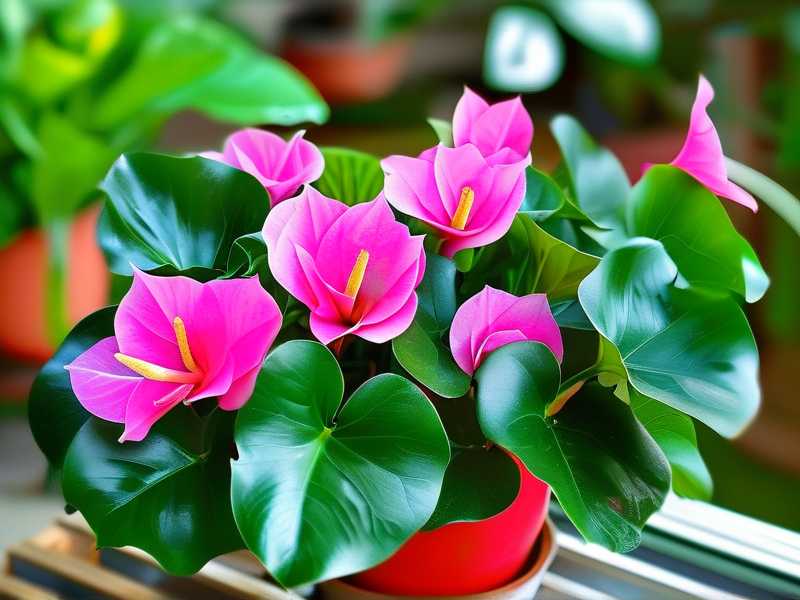
3 Deadly Mistakes Beginners Make with Pink Aglaonema
1. Watering Too Often
This is the biggest killer. I used to water my Pink Aglaonema every three days. I thought plants needed constant moisture. Big mistake. The roots suffocated. The pink leaves turned yellow. I lost all of them.
What I do now: I wait until the top 2 inches of soil are completely dry. I stick my finger in. If it feels dry, I water. If not, I wait. I also use a moisture meter. It’s cheap. It saves plants.
2. Wrong Light Placement
I put my first Pink Aglaonema on a windowsill facing south. The leaves burned. The pink patches turned white and crispy. Then I moved it to a dark corner. The pink faded completely. The plant became all green and leggy.
My solution: Bright, indirect light is key. I keep mine near a north-facing window. Or I use a sheer curtain for east or west windows. Direct sun burns. No light kills the pink.
3. Using the Wrong Pot
I used a decorative pot without drainage holes. Water sat at the bottom. The roots rotted. I didn’t even know until the leaves fell off. Many beginners do this. It’s a silent killer.
I switched to: Terracotta pots with drainage holes. Terracotta breathes. It helps the soil dry faster. This mimics the plant’s natural environment.
My 2-Week Observation Routine for Pink Aglaonema Color
I’ve been following this routine for months. It works. You’ll see results in two weeks.
Week 1: Assess and Adjust
Day 1: I check the soil. If it’s wet, I don’t water. I move the plant to a spot with bright indirect light. I take a photo of the leaves. This helps me compare later.
Day 3: I look at the leaf edges. If they’re curling, the air is too dry. I mist the plant lightly. I also check for pests. Pink Aglaonema can attract spider mites.
Day 5: I water only if the top 2 inches are dry. I use room-temperature water. Cold water shocks the roots. I pour slowly until water drains from the bottom.
Day 7: I wipe the leaves with a damp cloth. Dust blocks light. Clean leaves absorb more light. The pink color looks brighter immediately.
Week 2: Monitor and Correct
Day 8: I check for new growth. Pink Aglaonema grows slowly. But new leaves show health. If new leaves are all green, the light is too low.
Day 10: I rotate the pot. Plants lean toward light. Rotating keeps the growth even. The pink patches stay more uniform.
Day 12: I inspect the pink intensity. If it’s fading, I move it closer to the light source. But not direct sun. I learned this the hard way.
Day 14: I compare with my Day 1 photo. If the pink is brighter and leaves are firm, I’m on track. If not, I adjust again.
What the Experts Say: RHS and AHS Insights
I always cross-check my methods with credible sources. The RHS states that Aglaonema species thrive in low to moderate light but lose variegation in deep shade. This matches my experience. Pink Aglaonema needs enough light to produce chlorophyll and maintain pink pigmentation.
The AHS adds that overwatering is the number one issue for tropical plants like Aglaonema. They recommend letting the soil dry out between waterings. I follow this rule without exception. It’s non-negotiable.
I’ve also read that pink variegation is often unstable. It can revert to green if conditions are poor. That’s why consistent care matters. You can’t ignore the plant for weeks and expect bright leaves.
My Real Mistakes and How I Fixed Them
I overwatered my third plant. I was scared after killing the first two. So I watered less. But I still watered on a schedule, not based on soil dryness. The leaves drooped. I checked the roots. They were slightly brown. I trimmed the rotted parts. I repotted in fresh, well-draining soil. I added perlite. Within two weeks, new healthy leaves appeared.
I used tap water. I didn’t think about it. Tap water has chlorine and fluorine. It builds up in the soil. Leaf tips turn brown. The pink color gets dull. I switched to filtered water or rainwater. The difference was immediate. Leaves became glossier.
I ignored humidity. Pink Aglaonema likes humidity around 50-60%. My home was too dry, especially in winter. I used a humidifier. I placed the plant on a pebble tray. Brown leaf tips stopped. The pink looked richer.
How to Choose the Right Pot and Soil
I tried different pots. Plastic pots retain moisture. That’s bad for beginners. Terracotta is better. It wicks away excess water. The soil dries faster. This prevents root rot.
For soil, I use a mix of potting soil, perlite, and orchid bark. I learned this from an RHS article. It drains well. It also holds enough moisture for the roots. I avoid heavy soils. They compact and suffocate roots.
My favorite soil recipe: 50% indoor potting mix, 30% perlite, 20% orchid bark. I mix it in a bucket. I store the extra in a sealed bag. Simple.
The Best Light for Pink Aglaonema Color
I experimented a lot with light. Here’s what I found:
- North-facing window: Perfect. Bright indirect light all day. The pink stays vivid.
- East-facing window: Good. Morning sun is gentle. Use a sheer curtain.
- West-facing window: Okay. Afternoon sun is stronger. Keep the plant at least 3 feet away.
- South-facing window: Risky. Direct sun burns leaves. Move it far back.
- Artificial light: Works. I use a full-spectrum grow light for 12 hours daily. It maintains color in dark rooms.
I’ve tried my Pink Aglaonema under different conditions. The worst was a dark hallway. The leaves turned completely green in three weeks. I moved it back to light. The pink slowly returned. But it took over a month. Color recovery is slow.
Humidity and Temperature Tips
I killed my fourth plant by putting it near an AC vent. The cold air dried the leaves. The pink patches turned brown. I moved it to a stable spot. Temperatures between 65-80°F work best.
Humidity is tricky. I live in a dry climate. I mist the leaves every morning. I also group plants together. They create their own humid microclimate. A small humidifier changed the game. I run it for 2 hours daily near the plant.
Signs of low humidity: Brown leaf tips, curling edges, dull pink color. Fix it fast.
Fertilizing for Bright Pink Leaves
I used to skip fertilizer. Big mistake. Nutrients are essential for color. I use a balanced liquid fertilizer diluted to half strength. I apply it once a month during spring and summer. I stop in fall and winter.
I also tested a fertilizer high in potassium. It supports leaf health. But I noticed no difference in pink intensity. The most important factor is still light. Fertilizer helps but doesn’t replace good light.
Common Pests and How I Handle Them
My Pink Aglaonema got spider mites once. I saw tiny webs on the undersides of leaves. The pink patches looked speckled. I freaked out. I wiped each leaf with a soapy water solution. I repeated it three times over two weeks. The mites were gone.
Mealybugs are another issue. They look like white cotton. I use a Q-tip dipped in alcohol. I dab each bug. I quarantine the plant. I check other plants too.
FAQ: 3 Questions I Get Asked Most
Q: Why is my Pink Aglaonema losing its pink color? A: Low light is the usual cause. Move it to brighter indirect light. The pink will return slowly. Sometimes green leaves cannot revert. But new leaves will show pink.
Q: How often should I water Pink Aglaonema? A: Wait until the top 2 inches of soil are dry. For me, that’s about every 7-10 days. In winter, every 14-18 days. Always check with your finger.
Q: Can I propagate my Pink Aglaonema? A: Yes. I divide the plant during spring. I use a clean knife. Each section needs roots. I pot them separately. New plants take 4-6 weeks to show growth.
Final Thoughts from My Pink Aglaonema Journey
I’ve ruined multiple plants. I’ve spent hours reading guides. I’ve made every mistake possible. But now, my Pink Aglaonema is thriving. The pink is bright. The leaves are firm. The plant looks healthy.
You don’t need fancy equipment. You just need patience. Check the soil. Watch the light. Don’t water on a schedule. Learn your plant’s rhythm.
I still catch myself wanting to water too often. I stop myself. I remember the brown roots. I remember the mushy leaves. That’s enough to keep my hands off the watering can.
If you follow my 2-week observation routine, you’ll see results. Your Pink Aglaonema will reward you with vibrant color. It’s not a hard plant. It just needs the right conditions. Give it that. And let it grow.





