 bluename
 How to Care for Aglaonema Miniature Varieties: A Plant Lover’s Practical Guide
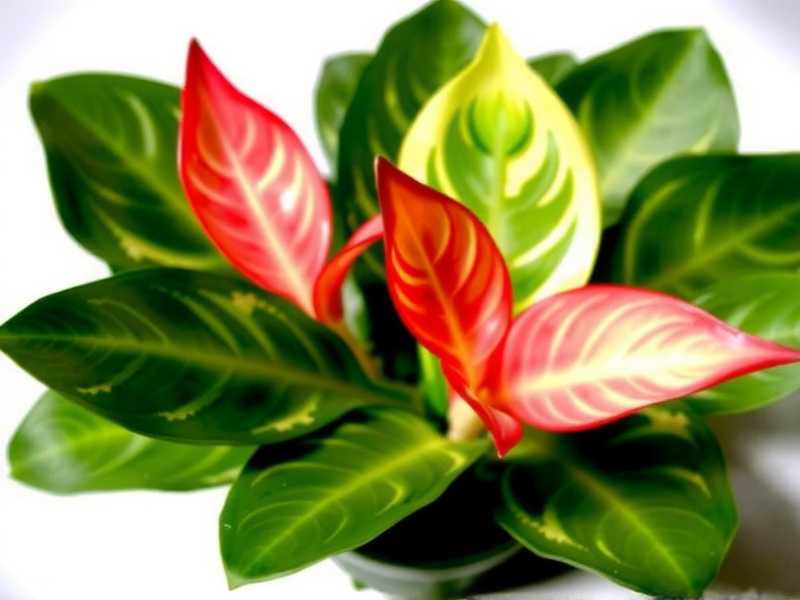
I’ve killed my fair share of plants. There, I said it. But my journey with Aglaonema miniature varieties, those stunning compact Chinese Evergreens, taught me more about resilient, beautiful houseplants than any other. If you’re staring at a gorgeous, patterned ‘Silver Bay’ or a vibrant ‘Red Valentine’ mini, wondering how to keep it thriving and not just surviving, you’ve come to the right place. I’ve been exactly where you are—excited but anxious about proper light, watering, and all the little details that make a big difference. This guide isn’t just theory; it’s my hands-on experience, complete with mistakes, fixes, and a real two-week observation log to show you exactly what to expect.
Understanding Your Miniature Aglaonema
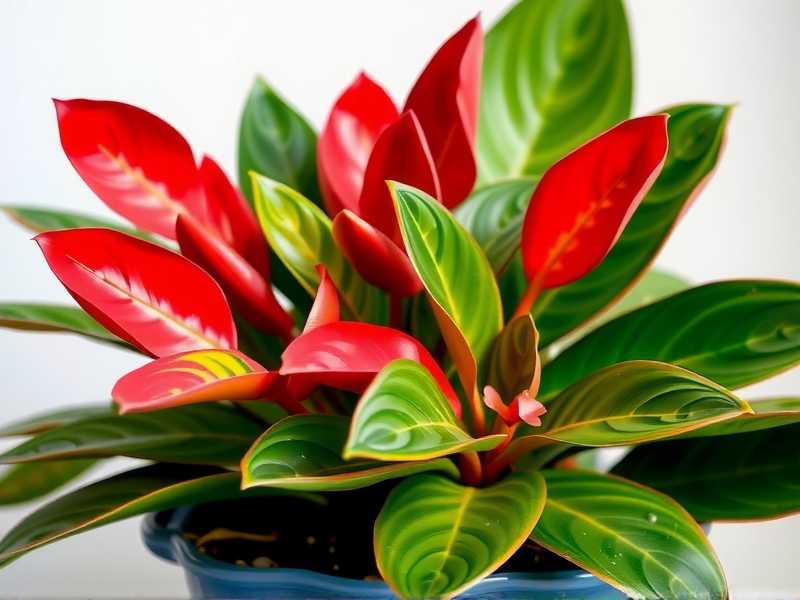
First, let’s appreciate what makes these plants special. Aglaonema miniature varieties are compact cultivars of the classic Chinese Evergreen, bred to stay small and bushy, perfect for desks, shelves, and terrariums. Despite their delicate appearance, they share the legendary toughness of their larger cousins. According to the Royal Horticultural Society (RHS), Aglaonemas are prized for their tolerance of low light and inconsistent care, making them excellent for beginners. However, ‘miniature’ doesn’t mean ‘maintenance-free.’ Their small pot size creates a unique micro-environment that demands a slightly different approach than caring for a standard houseplant.
My Essential Care Routine: A Step-by-Step Breakdown
Over the years, I’ve refined a routine that keeps my mini Aglaonemas not just alive, but consistently pushing out new, vibrantly colored leaves. Here’s exactly what I do.
Finding the Perfect Light (The Biggest Game-Changer)
I used to think “low light tolerant” meant “dark corner happy.” That was my first major mistake. One of my ‘Pink Dalmatian’ miniatures became leggy and lost its stunning pink variegation. The American Horticultural Society (AHS) clarifies that while Aglaonemas survive in low light, they truly thrive and maintain their best coloration in bright, indirect light.
My fix was simple but transformative. I moved all my mini varieties to a spot about 3-4 feet away from a north-facing window. No direct sun ever touches the leaves, which can cause scorching, but the ambient light is plentiful. For a shelf further in the room, I use a simple, low-wattage grow light for 6-8 hours a day. The difference in growth compactness and leaf color intensity was noticeable within weeks.
Watering Wisely: The Soak and Dry Method
This is where most plant parents, myself included, stumble. Overwatering is the fastest way to kill these plants. Their small root systems in petite pots are susceptible to rot. I now swear by the “soak and dry” method.
I wait until the top 1-2 inches of the soil feel completely dry to the touch. I then take the nursery pot (always ensure it has drainage holes!) and place it in a sink or bowl. I water thoroughly from the top until water runs freely out the bottom, ensuring the entire root ball is saturated. I let it drain completely before placing it back in its decorative cache pot. This mimics a natural rain cycle and encourages healthy root growth.
Soil and Potting: Building the Right Foundation
A common mistake is using dense, moisture-retentive garden soil. It holds too much water. After losing a beautiful ‘Emerald Bay’ to root rot, I created my own mix. I use a well-draining aroid mix as a base: two parts high-quality potting soil, one part perlite, and one part orchid bark. The perlite and bark create crucial air pockets, preventing soil compaction and promoting drainage.
Repotting is only needed every 2-3 years when the plant becomes root-bound. When you do, choose a pot only 1-2 inches larger in diameter. A pot that’s too big holds excess wet soil around the small root ball, creating a rot risk.
Humidity and Temperature: Creating a Cozy Environment
Aglaonemas enjoy average household humidity but appreciate a boost. My miniature varieties showed crisper leaf tips when my home’s humidity dropped below 40% in winter. I don’t run a humidifier for them alone. Instead, I group them with other plants, which creates a beneficial microclimate. Occasionally, I place their pots on a pebble tray filled with water (pot sitting above the water, not in it). This localized evaporation increases humidity right around the foliage.
Keep them in temperatures between 65°F and 80°F (18°C – 27°C) and away from cold drafts or heating vents. Consistency is key.
Feeding for Vibrant Growth
During the active growing season (spring and summer), I feed my mini Aglaonemas once a month. I use a balanced, water-soluble fertilizer (like a 10-10-10 or 20-20-20 formula) but dilute it to half the recommended strength. “Weakly, weekly” is a good mantra, though I stick to monthly. In fall and winter, I stop fertilizing altogether as growth slows. Over-fertilizing can burn the delicate roots and cause salt buildup in the small soil volume.
My Two-Week Observation & Troubleshooting Diary
To give you a real-world view, here’s my log from caring for a newly acquired Aglaonema ‘Mini White’ that was looking a bit droopy.
- Day 1: Plant arrived. Leaves are slightly limp. Soil is moist. I place it in its designated bright, indirect light spot. No water given.
- Day 3: No change. I resist the urge to water. Top soil still feels damp.
- Day 7: The top inch of soil is now dry. I perform the “soak and dry” watering method in the sink. Notice the water drains through quickly—a good sign the soil mix is airy.
- Day 10: A noticeable perk-up! The stems seem firmer, and the leaves have lost their limpness. One older, yellowing leaf at the bottom continues to decline—this is normal senescence, so I leave it.
- Day 14: The plant looks stable and happy. I check for new growth and see a tiny, pointed sheath (a cataphyll) emerging from the center—a new leaf is on the way! No signs of pests.
Common Problems I’ve Faced and Solved
- Yellowing Leaves: This was my constant battle. I learned it’s usually overwatering. I let the soil dry out more between waterings. If yellowing is accompanied by brown mushy stems, it’s advanced root rot. I had to unpot, cut away all black/mushy roots with sterile shears, and repot in fresh, dry mix. I didn’t water for a week to let the roots callous.
- Brown Leaf Tips/Crispy Edges: Often low humidity or fluoride/chlorine in tap water. I now use filtered water or leave tap water out overnight to let chemicals evaporate. I also increased plant grouping for humidity.
- Leggy Growth or Faded Color: Insufficient light. My ‘Silver Bay’ started stretching. Moving it closer to (but not in) a bright window restored its compact growth and silvery sheen.
- Pests: I’ve dealt with mealybugs (white cottony masses) and spider mites (fine webbing). At first sign, I isolate the plant. I wipe leaves with a cotton swab dipped in 70% isopropyl alcohol for mealybugs. For mites, I spray the plant down in the shower and then treat with insecticidal soap, ensuring to cover the undersides of leaves. Consistency is key—I treat every 5-7 days for 3-4 cycles.
How often should I water my miniature Aglaonema? There’s no universal schedule. It depends on your home’s light, temperature, and humidity. The only reliable method is the finger test. Insert your finger into the soil up to the first knuckle. If it feels dry, it’s time to water. In lower light conditions, this could be every 10-14 days. In brighter light, it might be every 7-10 days. Always let the soil guide you, not the calendar.
Can my pet-safe Aglaonema mini live in my bedroom with low light? While Aglaonemas are toxic to cats and dogs if ingested, their toxicity is a separate issue from light needs. Yes, it can survive in a low-light bedroom, but don’t expect vigorous growth or high-color variegation. It may become leggy over time. For a healthy plant in a low-light room, consider supplementing with a small grow light for a few hours a day.
Why are the new leaves on my plant smaller than the old ones? Consistently small new leaves often indicate the plant is lacking resources. The most common culprits are insufficient light (the plant doesn’t have enough energy to build large leaves) or a need for fertilizer during the growing season. Check your light situation first, and if that seems adequate, consider a diluted, balanced feeding at your next watering.
Caring for Aglaonema miniature varieties is a deeply rewarding experience. These plants offer a stunning display of color and pattern in a small package, and their resilience makes them forgiving teachers. By focusing on bright, indirect light, mastering the soak-and-dry watering technique, and using a well-draining soil mix, you set the stage for success. Remember, observation is your most powerful tool. Pay attention to what your plant is telling you—a drooping leaf, a change in color, the pace of new growth. Each one is a clue. Start with the basics, be patient, and don’t be discouraged by the occasional setback. Every brown tip or yellow leaf taught me something valuable. Now, go enjoy the quiet, vibrant company of your miniature Chinese Evergreen.





