 bluename
 How to Choose Companion Plants for Aglaonema: A Plant Lover's Practical Guide
I've always loved the lush, elegant foliage of my Aglaonema, or Chinese Evergreen. It's a stunning, low-maintenance plant that thrives in my indoor jungle. But for a long time, its pot felt a bit… lonely. I wanted to create a more dynamic, visually interesting display. That's when I started exploring companion planting for Aglaonema. The challenge? Finding plants that not only look good together but also share the same core needs for light, water, and humidity. Get it wrong, and you risk overwatering one plant while underwatering another, or creating an environment where pests thrive. After several trials, errors, and a dedicated two-week observation period, I've figured out a reliable system. Let me walk you through my hands-on process for choosing the perfect plant partners.
Understanding Your Aglaonema's Core Needs First
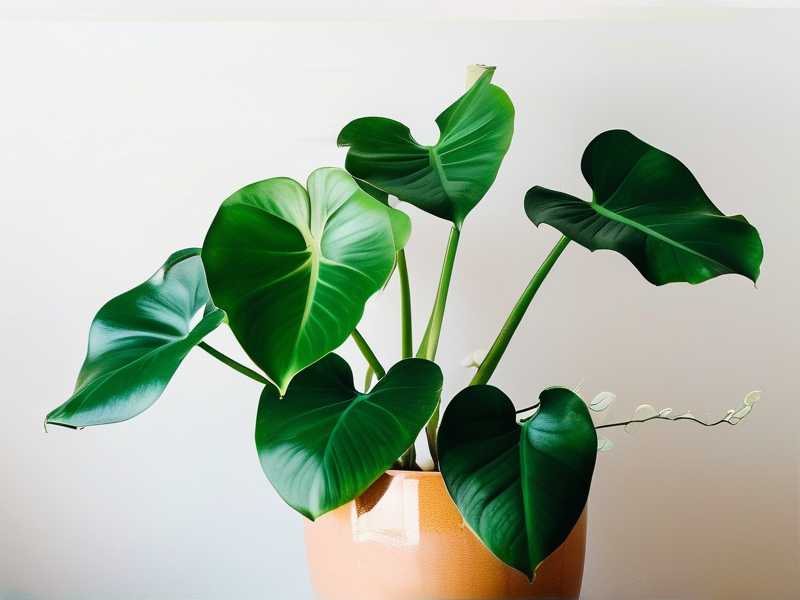
Before introducing any companions, you must become an expert on what your Aglaonema requires. This is the non-negotiable foundation. According to the Royal Horticultural Society (RHS), Aglaonemas prefer bright, indirect light but are remarkably adaptable to lower light conditions. Their main enemies are direct sun, which scorches their leaves, and soggy soil, which leads to root rot.
From my experience, the "soggy soil" point is crucial. I once made the mistake of pairing my Aglaonema with a plant that needed constant moisture. I ended up overwatering both, and my Aglaonema developed yellowing leaves—a classic sign of distress. I had to repot it immediately into fresh, well-draining soil to save it. This taught me that understanding moisture needs is the single most important compatibility factor.
My Step-by-Step Selection Process
Here is the exact process I now follow, born from both research and real-world testing.
Step 1: The Environment Audit I start by ignoring looks entirely. For one week, I closely monitor the specific spot where the Aglaonema lives. I use a simple light meter app on my phone to check light levels at different times of day. I note the ambient humidity with a small hygrometer. I track how quickly the soil dries out after a thorough watering. This data becomes my "plant job description." For my primary Aglaonema, the specs were: low to medium indirect light, humidity around 50%, and soil that dried about 1-2 inches down within 7-10 days.
Step 2: Seeking Compatibility, Not Just Beauty With my environmental data in hand, I search for companions that thrive under identical or very similar conditions. I look for plants often labeled "low light" and "moderate watering." I also consider growth habits. A slow-growing Aglaonema won't appreciate being smothered by a vigorous, fast-spreading vine.
Step 3: The Quarantine and Introduction This step saved my collection. Never place a new plant directly with your Aglaonema. I isolate all new companions for at least 10-14 days in a separate room. I inspect them thoroughly for pests like spider mites or mealybugs. During this period, I also adjust their watering to match the rhythm my Aglaonema prefers, helping them acclimate.
My Two-Week Companion Planting Experiment
After my research, I selected three potential companions that met my environmental criteria: a Snake Plant (Sansevieria trifasciata), a ZZ Plant (Zamioculcas zamiifolia), and a group of Pothos (Epipremnum aureum). I planted them in separate containers but placed them tightly together in the same decorative planter as my Aglaonema to simulate a shared environment.
Week 1 Observations: The Snake Plant and ZZ Plant were flawless. They showed no signs of stress, and their water needs aligned perfectly with the Aglaonema's. The Pothos, however, was slightly thirstier. Its leaves began to droop a day or two before the Aglaonema's soil was dry. This was my first "aha" moment: even with similar labels, subtle differences matter.
Week 2 Observations & Adjustment: I maintained the same watering schedule for all. By day 10, the Aglaonema, Snake Plant, and ZZ Plant were all perfectly happy. The Pothos, however, showed clear signs of underwatering. I faced a choice: risk overwatering the others to satisfy the Pothos, or adjust the setup. I chose the latter. I took the Pothos out of the shared arrangement, planted it in its own pot with a moss pole, and placed it nearby. This way, I could water it more frequently without affecting the others. It was a simple fix that honored each plant's needs.
Top Companion Plant Recommendations Based on Experience
Based on my successful pairings and learnings, here are my top categories of companions for Aglaonema.
The Low-Water League: Perfect Matches These plants are virtually foolproof partners. The Snake Plant and ZZ Plant are champions of neglect, requiring even less frequent watering than Aglaonema. Pairing them together creates a stunning, structural display of different leaf forms with zero risk of overwatering. The American Horticultural Society (AHS) notes these species' exceptional drought tolerance, making them ideal for busy plant owners or consistent low-water environments.
The Humidity Lovers: Creating a Microclimate If your home is dry or you use a humidifier, consider grouping your Aglaonema with other humidity enthusiasts. Peace Lilies (Spathiphyllum) and some Ferns (like the Button Fern) enjoy similar moisture in the air. I found that clustering these plants together naturally raises the local humidity, benefiting all of them. Just be extra vigilant about soil moisture; ensure the potting mix is well-draining for all parties.
What to Absolutely Avoid
My failures were as educational as my successes. Here are pairings I discourage.
- Succulents and Cacti: Their need for intense light and bone-dry soil is the complete opposite of the Aglaonema's preference. One will always suffer.
- Heavy Drinkers: Plants like Cyperus or some Calatheas need consistently moist soil. This will almost certainly lead to root rot for your Aglaonema.
- Invasive Root Systems: Avoid fast-growing plants that might outcompete your Aglaonema for space and resources in a shared pot.
Design Tips for a Stunning Display
Once you've found compatible plants, think about aesthetics. Play with contrasts: pair the broad, painted leaves of an Aglaonema 'Siam Aurora' with the upright, rigid spikes of a Snake Plant. Use trailing plants like a slow-growing Peperomia 'Hope' in a separate pot in front to add depth. Always plant in separate containers within a larger planter. This gives you ultimate control over soil and water for each plant, making care infinitely easier.
Frequently Asked Questions
Can I plant companions directly in the same pot as my Aglaonema? I do not recommend it. Planting directly together intertwines root systems and makes it impossible to address individual water or soil needs. Using separate nursery pots placed inside a larger decorative planter is a much more flexible and low-risk approach.
My Aglaonema is in a low-light corner. What are the best companions? Stick to the most shade-tolerant varieties. ZZ Plants and Snake Plants are your best bet. Certain types of Cast Iron Plant (Aspidistra elatior) would also be an excellent, hardy choice for a truly dark spot.
How often should I water a mixed Aglaonema arrangement? Do not water on a fixed schedule. Always check the soil moisture of each plant individually. For the Aglaonema and its most compatible partners, water only when the top 1-2 inches of soil are completely dry. The finger test is your most reliable tool.
Choosing companion plants for your Aglaonema is a rewarding project that transforms a single plant into a miniature ecosystem. The key is to prioritize the science of care—light, water, humidity—over the initial art of appearance. By following a careful process of environmental matching, conducting a quarantine period, and being ready to observe and adjust, you can create a thriving, beautiful display that enhances your space and the health of your plants. Start with one compatible partner, observe closely for those first critical weeks, and enjoy the process of building your own perfect plant community.





