 bluename
 How to Fix Aglaonema Nitrogen Deficiency: My Step-by-Step Recovery Guide
I’ll never forget the day I noticed my favorite Aglaonema ‘Silver Bay’ looking… off. Its normally vibrant, patterned leaves had lost their luster, turning a pale, yellowish-green. The lower, older leaves were the worst, looking tired and faded. New growth was painfully slow and small. I was worried I was losing a plant I’d nurtured for years. After some frantic research and consulting with fellow enthusiasts, I pinpointed the culprit: nitrogen deficiency. If your Chinese Evergreen is showing similar signs, don’t panic. Over the next two weeks, I documented my entire journey to nurse it back to health, complete with missteps, corrections, and ultimately, success. This is my hands-on guide on how to fix Aglaonema nitrogen deficiency for good.
Understanding Nitrogen’s Role in Your Aglaonema’s Health
Before diving into the fix, it’s crucial to understand why nitrogen is so important. Think of nitrogen as the engine behind the green. It’s a fundamental component of chlorophyll, the pigment plants use for photosynthesis. Without sufficient nitrogen, your Aglaonema simply can’t produce enough chlorophyll to create the energy it needs to grow and maintain its stunning foliage.
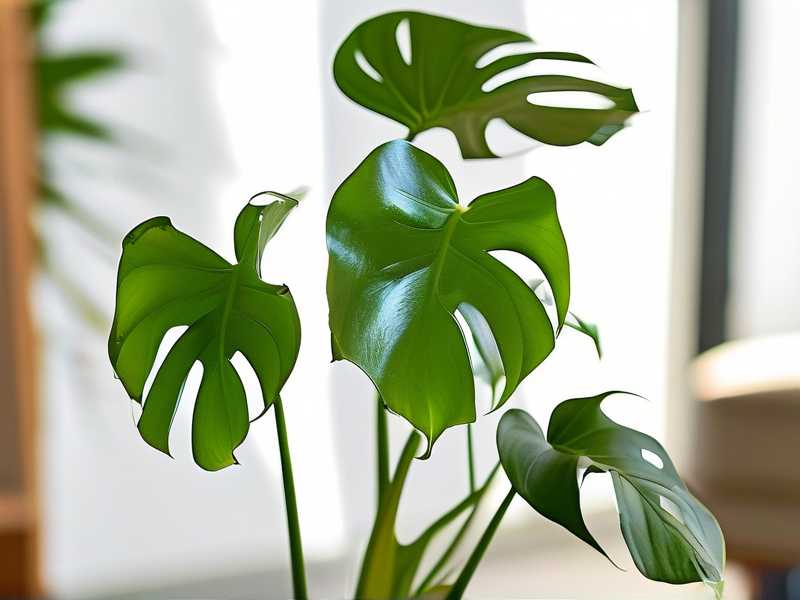
The symptoms are quite distinct, as I learned:
- Uniform Chlorosis: The yellowing starts on the older, lower leaves and moves upward. The veins often remain green initially, creating a subtle contrast.
- Stunted Growth: The plant seems to hit the pause button. New leaves are few, far between, and smaller than usual.
- General Weakness: The plant loses its robust, perky appearance and becomes more susceptible to other stresses.
As the Royal Horticultural Society (RHS) notes in their plant nutrient guides, nitrogen is a mobile nutrient. This means the plant will literally relocate nitrogen from its older leaves to support new growth when supplies are low, which is exactly why the oldest leaves show deficiency first.
My 2-Week Recovery Protocol: Diagnosis, Treatment, and Observation
I decided to approach this methodically, treating it like a rescue mission. Rushing with a heavy hand can often cause more harm, like fertilizer burn.
Step 1: Confirming the Diagnosis and Rule-Outs
My first step wasn’t to grab fertilizer. I had to be sure. Overwatering can cause yellowing too, but it’s often accompanied by wilting or soggy soil. I checked the roots by gently tipping the pot—they were firm and white, not brown and mushy. Light was consistent. This pointed squarely to a nutrient issue. I also considered if the plant was simply root-bound, but it had been repotted the previous spring. The evidence supported a classic case of nitrogen deficiency in Aglaonema.
Step 2: Choosing and Applying the Right Nitrogen Boost
Here’s where I faced my first decision. I had a balanced, all-purpose liquid fertilizer (like a 10-10-10 NPK) and a dedicated, water-soluble foliage pro formula higher in nitrogen (like a 24-8-16). The American Horticultural Society (AHS) emphasizes that while balanced fertilizers are good for maintenance, correcting a specific deficiency often requires a targeted approach.
I opted for the higher-nitrogen formula for this corrective treatment. My crucial tip: I diluted it to half the recommended strength. A weak, recovering plant can be shocked by a full dose. I thoroughly watered the soil with this solution until it drained freely from the bottom, ensuring the entire root zone had access. This initial treatment was my primary method for correcting nitrogen deficiency.
Step 3: The Critical Two-Week Observation Log
This wasn’t a set-and-forget process. I kept a simple log to track progress:
- Days 1-3: No visible change. This was expected; the plant needs time to uptake and utilize the nutrients.
- Days 4-7: I noticed the yellowing on the mid-level leaves had stopped progressing. The newest, tiny leaf bud seemed a shade darker green. This was my first sign of hope.
- Days 8-10: The existing healthy leaves looked perkier. The pale leaves, unfortunately, did not magically turn green again—this is a key point. Once leaves lose chlorophyll, they rarely fully recover. The plant’s energy was focused on new growth.
- Days 11-14: Success! A brand new leaf began unfurling, and it was a healthy, proper size with the rich, variegated green color I remembered. The plant’s overall posture improved. The progression of deficiency was unequivocally halted.
The Pitfall I Encountered (And How I Fixed It)
Around Day 5, I got overeager. Seeing the slight improvement, I thought a tiny extra “boost” might help. I added a very small amount of diluted fertilizer to the topsoil. Bad idea. By Day 7, the very tips of two leaves showed the slightest brown burn. I had over-fertilized.
My solution: I immediately flushed the soil. I took the plant to the sink and ran lukewarm water through the soil for a full five minutes, allowing it to drain completely. This leached out excess salts. I then resolved to stick strictly to my bi-weekly feeding plan with the diluted solution. The lesson was clear: patience and consistency beat enthusiasm every time. More is not better when treating nutrient deficiency in Chinese Evergreen.
Building a Long-Term Feeding Strategy to Prevent Recurrence
Fixing the deficiency is one thing; preventing its return is another. I shifted from a crisis mode to a maintenance mindset.
I switched back to my balanced, all-purpose liquid fertilizer but now use it consistently. During the active growing season (spring and summer), I feed every two weeks at half-strength. In fall and winter, I reduce this to once a month. I also incorporated a slow-release granular fertilizer into the top layer of soil during my next scheduled repotting, which provides a steady, gentle background supply of nutrients. This dual-method approach, supported by both RHS recommendations for container plants and AHS principles of consistent feeding, ensures my Aglaonema gets a steady diet without risk of boom-and-bust cycles.
Frequently Asked Questions from Fellow Plant Lovers
Can the yellow leaves turn green again? No, unfortunately, they cannot. Once a leaf loses its chlorophyll due to a deficiency, that damage is permanent. The plant will eventually shed these leaves. Your goal is to stop the progression and ensure all new growth is healthy. Don’t remove the yellow leaves immediately; let the plant reabsorb nutrients from them first.
How often should I fertilize my Aglaonema to avoid this? Consistency is key. A weak, diluted liquid fertilizer applied every 2-4 weeks during the growing season is far superior to occasional heavy doses. Always water the soil lightly before applying fertilizer to prevent root burn. Let the plant’s slower growth in winter guide you to reduce or pause feeding.
Could it be another deficiency if the leaves are yellow? Yes, which is why observation is critical. Nitrogen deficiency typically yellows older leaves first. An iron deficiency, for example, will show on the newest growth first, with bright yellow leaves but dark green veins. Magnesium deficiency can cause yellowing between the veins on older leaves. When in doubt, a soil test kit can provide definitive answers.
Watching my Aglaonema regain its vigor over those two weeks was incredibly rewarding. The process taught me that plant care is less about dramatic interventions and more about understanding subtle signals and providing consistent, gentle support. By correctly diagnosing the nitrogen deficiency, applying a careful, diluted treatment, and committing to a sensible long-term feeding routine, you can not only rescue your plant but set it up for years of lush, vibrant growth. Remember, the green you save will be your own.





