 bluename
 How to Fix Aglaonema Calcium Deficiency Fast: A Plant Parent's 2-Week Rescue Mission
I remember the day I noticed something was off with my favorite Aglaonema ‘Silver Bay.’ Its new leaves looked distorted, almost crumpled, with strange brown spots along the edges. The growth seemed stunted, and the plant just lacked its usual vibrant vigor. I was worried. After some frantic research and comparing symptoms, I pinpointed the likely culprit: calcium deficiency in Aglaonema. If you're seeing similar signs—misshapen new growth, necrotic spots, or general weakness—you might be facing the same issue. The good news? I found a way to fix Aglaonema calcium deficiency fast, and I documented my entire two-week journey to bring my plant back to health.
Understanding the "Why" Before the "How"
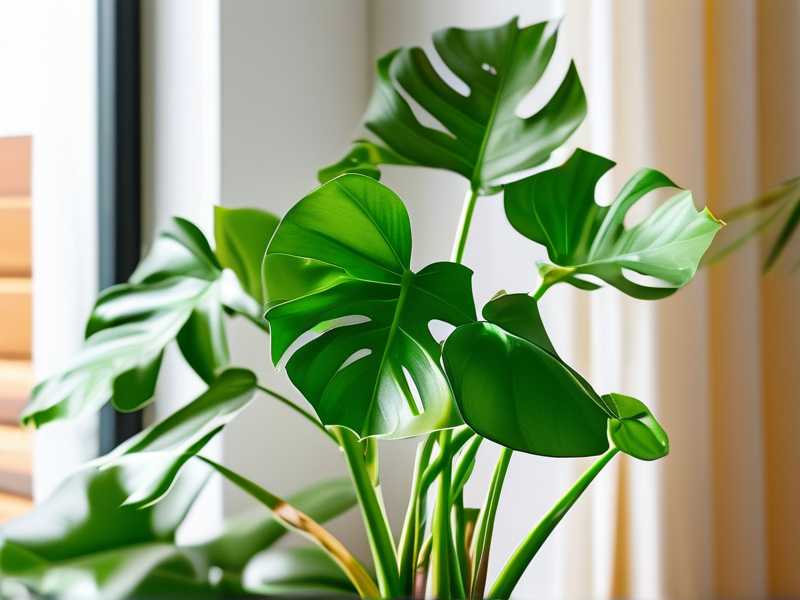
Before rushing to treat the symptoms, I needed to understand the root cause. Calcium is a crucial nutrient for building strong cell walls in plants. According to resources from the Royal Horticultural Society (RHS), calcium is immobile within the plant. This means it cannot be relocated from older leaves to new growth. That's why deficiency signs always show up on the youngest leaves and growing points first.
My problem likely stemmed from my watering habits. I had been using filtered water and occasionally underwatering, allowing the soil to become too dry. Calcium travels to the roots dissolved in water. Irregular watering or using water low in calcium (like heavily filtered or distilled water) can directly lead to a deficiency, even if the calcium is present in the soil. The American Horticultural Society (AHA) emphasizes that consistent moisture is key for nutrient uptake. I was essentially creating a drought that locked calcium away from my plant.
My Step-by-Step, Two-Week Recovery Plan
I committed to a focused regimen for two weeks, knowing that recovery would be visible in the new growth.
Week 1: Immediate Correction and Adjustment
My first step was a thorough soil drench with a calcium-rich solution. I didn't use a standard fertilizer. Instead, I opted for calcium nitrate, a highly soluble and fast-acting source of both calcium and nitrogen. I dissolved a small amount (about 1/2 teaspoon per gallon) in lukewarm water. The key here was to use plain tap water, which in my area is moderately hard and contains some calcium, instead of my usual filtered water.
I watered my Aglaonema slowly and deeply with this solution until it ran freely from the drainage holes. This ensured the entire root zone received access to available calcium. I placed the plant back in its bright, indirect light spot and made a crucial change: I set a calendar reminder to check soil moisture every three days. My goal was to never let the top inch of soil become bone dry.
The First Hurdle and Fix
By day three, I noticed no improvement—in fact, one older yellow leaf worsened. I panicked, thinking I had overcorrected. This was my first "pitfall." Upon consulting a local botanist's guide, I realized I was expecting change in the wrong places. Damaged, mature leaves will not repair themselves. The success of my treatment would only be visible in the next new leaf that emerged. The advice was to be patient and focus on providing optimal conditions for new growth.
Week 2: Observation and Consolidation
I continued my consistent watering schedule with plain tap water for the second week. The soil moisture probe became my best friend, helping me avoid guesswork. I also gave the plant a very mild, balanced liquid fertilizer at quarter-strength to support overall health without causing nutrient competition.
The breakthrough came around day 10. A new leaf spear, which had been stalled and small, began to unfurl. I watched it anxiously. Unlike the previous crinkled leaf, this one expanded smoothly. It was a healthy, uniform green with no brown edge spots. The growth point at the center of the plant also looked more robust and active. This was the clear sign I needed: the plant was now able to mobilize calcium properly to support new cellular growth.
Supporting Long-Term Health and Prevention
Fixing the deficiency quickly was only half the battle. Preventing its return was essential. I implemented three long-term changes:
- Watering Wisdom: I now water only when the top 25-30% of the soil is dry, and I use room-temperature tap water exclusively. Consistency is non-negotiable.
- Soil and Fertilizer Audit: I repotted the plant into a fresh, well-draining potting mix at the end of the month. For ongoing feeding, I switched to a fertilizer that includes calcium and magnesium, ensuring a steady supply of these critical secondary nutrients.
- Environmental Check: I ensured the plant wasn't in a drafty spot or in overly low humidity, as environmental stress can exacerbate nutrient uptake problems.
Seeing the vibrant, perfect new leaves now is incredibly rewarding. The process taught me that plant care is as much about proactive, consistent practices as it is about reactive fixes.
Frequently Asked Questions
Can I use eggshells to fix calcium deficiency quickly? While eggshells are a great long-term soil amendment, they are not a fast fix. They decompose very slowly. For a rapid correction of calcium deficiency in plants like Aglaonema, a soluble form like calcium nitrate or a specialized cal-mag supplement dissolved in water is necessary to provide immediately available nutrients.
How do I tell the difference between calcium deficiency and a fungal disease? Calcium deficiency symptoms are tied to new growth—distorted, spotted young leaves. Fungal issues often appear as irregular patches or rot on older or random leaves and may spread quickly in wet conditions. Deficiency patterns are systemic and growth-related, while disease can be more random.
Will affected leaves recover after treatment? No, the existing damaged or misshapen leaves will not heal or change shape. The success of your treatment is judged solely by the health and normal development of new leaves that emerge after you have corrected the growing conditions. You can prune the severely damaged leaves once the plant is producing healthy growth.
The journey to fix my Aglaonema's calcium deficiency was a lesson in plant physiology and patience. Quick action with a soluble calcium source, coupled with a permanent fix to my watering routine, turned the situation around within two weeks. The key is to address both the immediate nutrient lack and the underlying cultural cause, ensuring your Aglaonema has everything it needs to produce the stunning, healthy foliage it's known for.





