 bluename
 How to Care for Aglaonema in a Bedroom: Your Guide to a Safe and Thriving Plant
You want to bring the beauty and calm of nature into your bedroom, but you're worried. Is it safe? Will it survive in low light? What if you forget to water it? The good news is, the Aglaonema, or Chinese Evergreen, is the perfect solution. Renowned for its resilience and air-purifying qualities, this plant is a top choice for bedroom environments. This comprehensive guide will walk you through everything you need to know about how to care for Aglaonema in a bedroom, ensuring it remains a safe, healthy, and vibrant companion in your personal sanctuary.
Why the Aglaonema is the Ideal Bedroom Plant
Before we dive into care, let's understand why this plant is such a standout choice. The Aglaonema scores highly on safety, adaptability, and health benefits, making it uniquely suited for a bedroom.
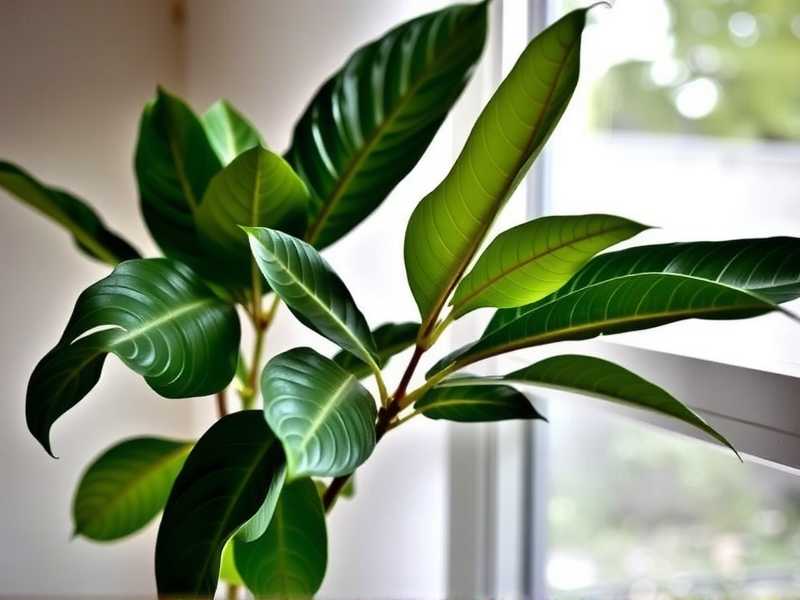
First and foremost, it is considered a safe plant for bedrooms. According to the ASPCA, Aglaonema species are toxic if ingested in large quantities due to calcium oxalate crystals, which can cause irritation. However, for adults and homes without curious pets that chew on leaves, the risk is primarily one of mild discomfort upon ingestion, not airborne toxicity. Its placement on a shelf or nightstand poses no threat, allowing you to enjoy its beauty without worry.
More importantly, its air-purifying capabilities are well-documented. A seminal NASA Clean Air Study highlighted several plants for their ability to remove common volatile organic compounds (VOCs) like benzene and formaldehyde. While Aglaonema was part of later research expanding on these findings, horticulture experts like Dr. B.C. Wolverton have consistently pointed to its effectiveness in improving indoor air quality. In a bedroom, where you spend hours breathing the same air, this natural filtration is a significant benefit.
Finally, its legendary low-light tolerance is a game-changer. Unlike many tropical plants that demand a sunny windowsill, the Aglaonema thrives in the indirect, filtered light typical of many bedrooms. This adaptability is the cornerstone of Aglaonema bedroom care.
The Complete Care Guide for Your Bedroom Aglaonema
Caring for your Aglaonema is straightforward. By focusing on a few key areas, you'll ensure it thrives for years.
Finding the Perfect Spot: Light and Placement
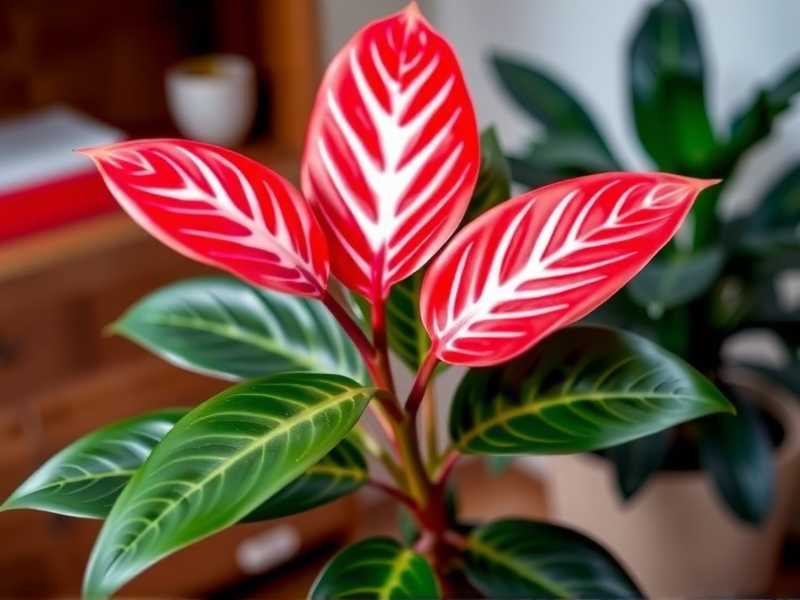
Light is the most crucial factor. Your Aglaonema prefers bright, indirect light. In a bedroom, this is often found near a north or east-facing window, or several feet back from a south or west-facing window filtered by a sheer curtain. The variegated varieties (with more white, pink, or red) need a bit more light to maintain their stunning colors, while the darker green types are champions of truly low-light conditions.
Avoid direct sunlight, especially the harsh afternoon sun, as it can scorch the leaves, causing brown, crispy patches. If your bedroom is very dark, consider supplementing with a gentle grow light for a few hours a day. A simple rule of thumb: if you can comfortably read a book in the spot without turning on a lamp, your Aglaonema will likely be happy there.
Watering Wisely: The Key to Prevention
Overwatering is the number one cause of problems. Your bedroom Aglaonema does not like wet feet. The goal is to mimic a tropical environment with periods of moisture followed by slight drying.
The Finger Test Method: Before watering, insert your finger about an inch into the soil. If it feels dry, it's time to water. If it still feels moist, wait a few more days. In a typical bedroom environment, this often translates to watering every 1-2 weeks, but always let the soil condition be your guide, not the calendar.
When you water, do so thoroughly until water runs out of the drainage holes at the bottom of the pot. This ensures the entire root ball gets moisture. Always empty the saucer or cache pot afterward to prevent the plant from sitting in standing water, which leads to root rot.
Creating a Comfortable Environment: Temperature and Humidity
Aglaonemas enjoy the same temperatures you do. They thrive in average room temperatures between 65°F and 80°F (18°C - 27°C). Protect them from cold drafts from windows or air conditioning vents, as temperatures below 60°F (15°C) can cause damage.
Humidity is where the bedroom can be a bonus. While they prefer moderate humidity, they are adaptable. The humidity from your shower can actually benefit the plant if your bedroom is connected to a bathroom. If your air is very dry, you can group plants together, use a pebble tray filled with water, or occasionally mist the leaves to boost local humidity.
Feeding and Maintenance for Long-Term Health
Feeding your plant supports its growth and vibrant foliage. During the growing season (spring and summer), feed your Aglaonema once a month with a balanced, water-soluble houseplant fertilizer diluted to half strength. There's no need to fertilize in fall and winter when growth naturally slows.
Regular maintenance is simple. Wipe the broad leaves with a damp cloth every few weeks to remove dust, which allows the plant to breathe and photosynthesize more efficiently. This also keeps it looking its glossy best. Prune any yellowing or damaged leaves at the base of the stem to direct energy to new growth.
When and How to Repot
Aglaonemas are slow growers and enjoy being slightly root-bound. You typically only need to repot every 2-3 years. Signs it's time include roots growing out of the drainage holes or the plant drying out unusually quickly. When repotting, choose a pot only 1-2 inches larger in diameter and use a well-draining, peat-based potting mix.
Troubleshooting Common Issues
Even with great care, you might encounter a small issue. Here’s how to diagnose it quickly.
- Yellowing Leaves: This is most often a sign of overwatering. Check your soil moisture and adjust your watering schedule. It can also indicate a need for fertilizer or, less commonly, too much direct sun.
- Brown Leaf Tips or Edges: Usually caused by low humidity, fluoride in tap water, or underwatering. Try using distilled or filtered water, and increase humidity around the plant.
- Drooping Leaves: Can signal either underwatering or overwatering. Feel the soil to determine which. Dry soil means it needs a drink; soggy soil means you should let it dry out and check for root rot.
- Leggy Growth or Fading Variegation: The plant is not getting enough light. Move it to a brighter location with indirect light.
Frequently Asked Questions
Is Aglaonema really safe to keep in a bedroom? Yes, for most households, it is perfectly safe. The plant is not toxic to touch. Its toxicity is only a concern if the leaves are ingested in quantity, which is unlikely in an adult's bedroom. It is an excellent air-purifying plant, making it a beneficial addition to your sleep space.
How often should I water my Aglaonema in low bedroom light? In lower light conditions, the plant uses water more slowly. You may find the soil stays moist for longer. Rely heavily on the finger test, checking the soil every 10-14 days. It's better to err on the side of underwatering than to keep the soil constantly wet.
What is the best Aglaonema variety for a very dark bedroom? For the lowest light conditions, choose varieties with darker green leaves, such as Aglaonema 'Maria' or Aglaonema 'Emerald Beauty'. Their darker foliage contains more chlorophyll, allowing them to photosynthesize more efficiently in dim settings than their highly variegated cousins.
Bringing an Aglaonema into your bedroom is a decision you won't regret. By providing the right indirect light, watering only when needed, and giving it a stable, comfortable environment, you are setting up a beautiful, living air purifier for success. Its elegant, patterned leaves will add a touch of serene, natural beauty to your room, contributing to a more peaceful and healthier atmosphere for rest and relaxation. Enjoy the process of nurturing this forgiving and rewarding plant.





