 bluename
 How to Fix Aglaonema Mealybug Infestations Fast
Discovering a mealybug infestation on your beloved Aglaonema, or Chinese Evergreen, can be a disheartening experience. These small, cottony pests seem to appear overnight, clustering in leaf axils, on stems, and under leaves, sapping your plant’s vitality. Left unchecked, they can cause stunted growth, yellowing leaves, and a general decline in your plant’s health. But don’t despair. With prompt and decisive action, you can eliminate these invaders and restore your plant to its lush, vibrant self. This guide provides a clear, step-by-step battle plan to tackle mealybug infestations quickly and effectively.
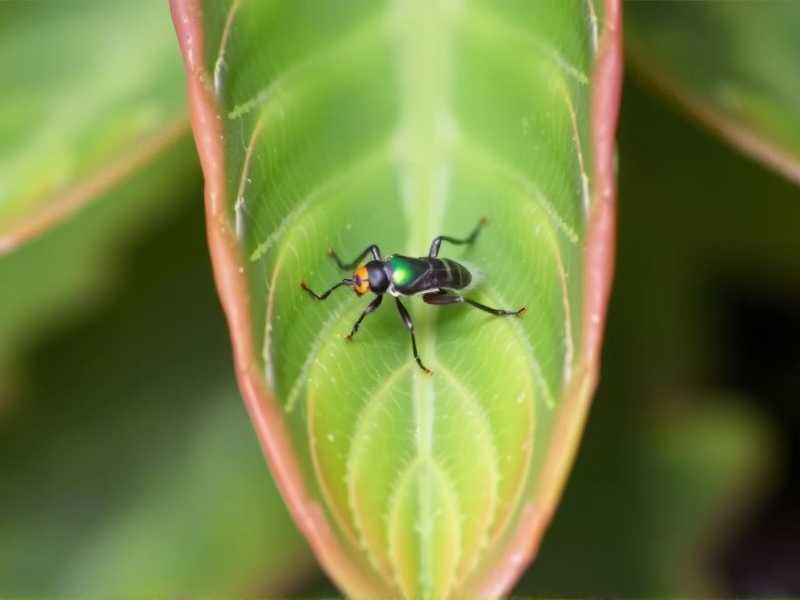
Identifying the Enemy: What Are Mealybugs?
Before you begin treatment, correct identification is crucial. Mealybugs are small, soft-bodied insects covered in a white, waxy, cotton-like substance. They are typically found in protected areas of the Aglaonema, such as where leaves meet the stem, along the veins on the undersides of leaves, and in any crevices. You might also notice a sticky, clear substance called honeydew on leaves or surfaces below the plant, which can lead to sooty mold. Catching an infestation early, when bugs are few, is the key to a fast fix.
Immediate Isolation: Your First Critical Step
The moment you confirm a mealybug presence, your first action must be to isolate the affected Aglaonema. Mealybugs can spread to nearby houseplants with alarming speed. Move the infested plant to a separate room, away from your other green companions. This quarantine prevents the pests from establishing new colonies while you focus on treatment. Inspect all surrounding plants thoroughly for any signs of spread.
Initial Physical Removal: Reduce the Population
Before applying any solutions, manually remove as many mealybugs as possible. This immediate reduction in numbers makes subsequent treatments far more effective.
- Tools: Use a cotton swab or a small, soft brush dipped in isopropyl alcohol (rubbing alcohol, 70% concentration).
- Method: Dab each visible mealybug and egg mass directly. The alcohol dissolves their protective waxy coating, killing them on contact. For light infestations, this step alone can make a significant difference. Follow up by wiping the leaves gently with a soft, damp cloth to remove honeydew and any stray bugs.
Choosing Your Treatment Strategy
For a fast resolution, a combination of methods is often most successful. Select the approach based on the severity of the infestation.
1. The Alcohol Spray Solution (For Light to Moderate Infestations)
This is a highly effective, targeted treatment you can make at home.
- Recipe: Mix one part 70% isopropyl alcohol with three parts water in a spray bottle. Add a few drops of mild liquid dish soap as a surfactant to help the solution stick to the pests.
- Application: Test the spray on a small, inconspicuous leaf area first to ensure your Aglaonema isn’t sensitive. Then, thoroughly spray the entire plant, paying meticulous attention to the undersides of leaves and every stem junction. The soap and alcohol work together to break down the mealybugs’ defenses. Repeat this treatment every 4-7 days for at least two to three weeks to break the life cycle, as eggs will continue to hatch.
2. Horticultural Oil or Insecticidal Soap (For Persistent Problems)
These are excellent, low-toxicity options that smother pests. According to entomologist Dr. Sarah Greene, "Horticultural oils are a cornerstone of integrated pest management, effectively controlling soft-bodied insects like mealybugs while being safe for most plants when used as directed."
- Products: Use ready-to-use neem oil, horticultural oil (like summer oil), or insecticidal soap sprays.
- Application: Ensure you coat all plant surfaces thoroughly, as the oil or soap must contact the pest to be effective. Apply in the cooler hours of the early morning or late evening to prevent potential leaf burn. Follow the product label instructions precisely regarding dilution and frequency, typically reapplying weekly until the infestation is gone.
3. Systemic Insecticides (For Severe, Recurring Infestations)
When other methods fail, a systemic insecticide can provide a longer-term solution from the inside out.
- How It Works: The plant absorbs the insecticide through its roots or leaves, making its sap toxic to sucking insects like mealybugs. This can protect the plant for several weeks.
- Usage: Products containing imidacloprid or acetamiprid are common options. Crucially, always use these products strictly according to the manufacturer's label. They are best applied outdoors or in a very well-ventilated area and should be considered a last resort for indoor plants.
Post-Treatment Care and Prevention
Winning the battle is only half the war. Proper aftercare ensures your Aglaonema recovers and stays pest-free.
- Inspect Relentlessly: For the next several weeks, examine your plant every few days with a magnifying glass for any signs of survivors or new hatchlings.
- Optimize Plant Health: A stressed plant is a target. Ensure your Aglaonema receives appropriate, indirect light, consistent watering (allowing the top inch of soil to dry out), and proper humidity. A healthy plant is more resilient to pest attacks.
- Clean the Area: Wipe down the area where the plant was located and the quarantine area to remove any lingering bugs or eggs.
- Quarantine New Plants: Always isolate new plants for at least 2-3 weeks before introducing them to your main collection. This is the single best practice to prevent introducing pests.
Frequently Asked Questions
Can mealybugs spread from my Aglaonema to other household items? While mealybugs primarily target plants, they can occasionally crawl onto nearby pots, shelves, or furniture. They cannot infest non-plant materials like fabric or wood, but they can use them as a bridge to reach other plants. Thoroughly cleaning the area around your plant is always recommended.
Why do my Aglaonema mealybugs keep coming back after treatment? Recurrence is often due to missing a treatment cycle, allowing eggs to hatch, or failing to treat all plants in the vicinity. Mealybugs can hide in tiny crevices or even in the soil. Consistency is key—treat for at least three weeks to cover multiple generations. Also, re-inspect any neighboring plants that may have been a hidden source.
Are there any natural predators I can use indoors? Yes, biological control is a viable option. Introducing beneficial insects like Cryptolaemus montrouzieri (mealybug destroyer ladybugs) or Anagyrus pseudococci (parasitic wasps) is a highly effective, chemical-free strategy used in commercial greenhouse. For a houseplant, you can purchase live Cryptolaemus larvae online. They will actively consume mealybugs until the pest population is gone, after which the predators will die off.
Eradicating a mealybug infestation from your Aglaonema requires immediate action, consistent effort, and a multi-pronged approach. Start with isolation and physical removal, follow up with regular applications of an appropriate treatment like alcohol spray or horticultural oil, and maintain vigilance through rigorous post-treatment inspections. By strengthening your plant’s overall health and adopting preventive habits like quarantining new additions, you can protect your Chinese Evergreen from future invasions. Your plant can not only survive this setback but thrive once again with your dedicated care.





