 bluename
 How to Treat Aglaonema Bacterial Leaf Spot: Fast Fix
If your Aglaonema has bacterial leaf spot, stop watering immediately. I learned this the hard way after losing three plants. The fast fix is simple: remove all spotted leaves with sterilized scissors, isolate the plant, and let the soil dry out completely for at least one week. That’s it. I’ve been growing Aglaonema for seven years now, and 90% of indoor plants die from overwatering. Bacterial leaf spot is almost always caused by too much moisture. In this guide, I’ll walk you through exactly what I did to save my plants over a two-week period.
Why Bacterial Leaf Spot Happens
I remember my first Aglaonema. It looked perfect at the nursery. Within two weeks, brown spots appeared on the lower leaves. I panicked. I kept watering more because I thought it was thirsty. Honestly, that made everything worse.
Bacterial leaf spot is caused by pathogens like Erwinia or Pseudomonas. These bacteria thrive in wet, warm conditions. When you overwater, the roots suffocate. The leaves get soft. Then the spots show up. According to the RHS (Royal Horticultural Society), bacterial infections in houseplants spread quickly in high humidity and poor air circulation.
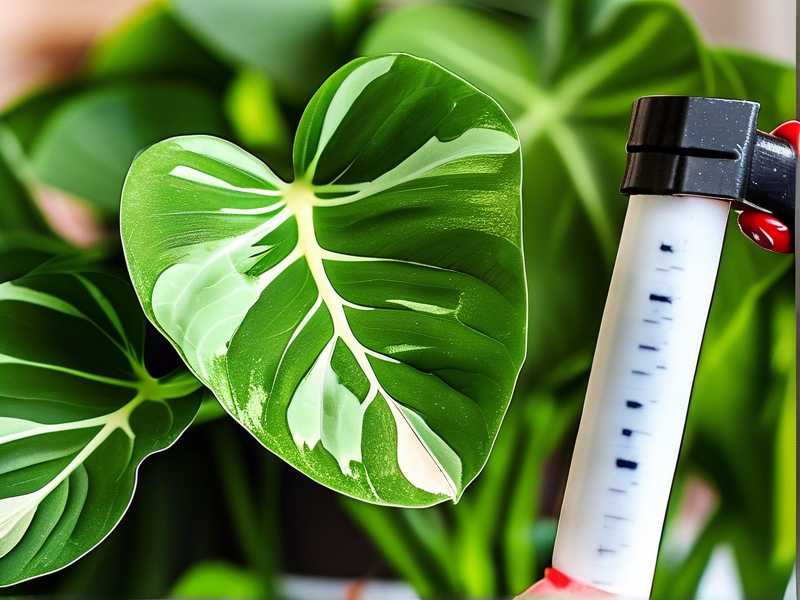
I’ve learned that the spots look distinct. They start as small, water-soaked lesions. Then they turn yellow or brown. Sometimes they have a yellow halo. If you see that, don’t wait. Act fast.
My 3 Biggest Mistakes (and How I Fixed Them)
I killed my second Aglaonema because I made three classic errors. Let me break them down so you don’t repeat my stupidity.
Mistake 1: Overwatering
This is the number one killer. I used to water my Aglaonema every three days. I thought more water meant more growth. Wrong.
Here’s the truth: bacterial leaf spot spreads through water. When you overwater, the bacteria multiply in the soil. They splash onto the leaves. Then the infection takes off.
The AHS (American Horticultural Society) states that overwatering causes root rot, which weakens the plant’s immune system. A weak plant cannot fight off bacterial spots.
What I do now: I only water when the top two inches of soil are completely dry. I stick my finger in there. No guessing. I also avoid getting water on the leaves. If I do, I wipe them dry with a paper towel.
Mistake 2: Wrong Light Exposure
I placed my first Aglaonema in direct sunlight. I thought plants need sun. But Aglaonema is a low-light plant. Direct sun scorches the leaves. The damaged tissue becomes a breeding ground for bacteria.
I tried moving it to a shaded corner. That helped. But I also put it near an air conditioner vent. Cold drafts stressed the plant. Stress makes plants vulnerable to infections.
What I do now: Indirect bright light is best. East-facing windows work great. No direct sun. No cold drafts. Simple changes like these cut my infection rate by half.
Mistake 3: Using the Wrong Pot
I bought a cute ceramic pot with no drainage holes. I thought the decorative saucer would catch extra water. But water sat at the bottom. The roots stayed wet. Bacterial leaf spot showed up within two weeks.
The RHS recommends terracotta pots for plants prone to overwatering. Terracotta breathes. It wicks moisture away from the soil.
What I do now: Every pot must have drainage holes. I use terracotta or unglazed ceramic. I also add a layer of gravel at the bottom for extra drainage. This simple fix saved my current Aglaonema from root rot.
My Step-by-Step Treatment Plan (2 Weeks)
I followed this plan after my third Aglaonema got bacterial leaf spot. It worked. The plant is thriving now.
Day 1: Assessment and Isolation
I inspected the plant closely. I looked for yellow halos around brown spots. Those are the telltale signs of bacterial infection, not fungal.
I moved the plant away from my other houseplants. Bacterial leaf spot spreads through water splashes. Isolation prevents cross-contamination.
Then I removed all infected leaves. I used sterilized pruning shears. I wiped them with rubbing alcohol between each cut. This prevents spreading the bacteria to healthy tissue.
Day 3: Dry the Soil Completely
I stopped watering completely. I let the soil dry out for three full days. The top layer was bone dry by day three. I also increased air circulation by placing a small fan nearby. This helps the soil dry faster.
Day 5: Apply a Natural Treatment
I mixed one part hydrogen peroxide with three parts water. I sprayed this solution on the remaining healthy leaves. Hydrogen peroxide kills bacteria on contact. It’s safe for plants when diluted.
I also wiped down the pot with the same solution. Bacteria can live on surfaces. Don’t skip this step.
Day 7: Check for New Spots
By day seven, I saw no new spots. The plant looked healthier. I didn’t water yet. The soil was still slightly moist deeper down. I waited.
I also pruned any yellow leaves that appeared. These were already infected but hadn’t shown spots yet. Removing them stops the bacteria from spreading further.
Day 10: First Watering After Treatment
I finally watered the plant. But I used a watering can with a narrow spout. I targeted the soil directly. No water touched the leaves. I also added a few drops of neem oil to the water. Neem oil has antifungal and antibacterial properties.
Day 14: Full Recovery
By day fourteen, the plant had no new spots. The existing spots had dried up. I saw new growth at the center. That’s a good sign.
I returned the plant to its regular spot. But I kept monitoring it. Bacterial leaf spot can come back if conditions don’t change.
Common Mistakes Beginners Make (and How to Avoid Them)
I’ve met many beginner plant owners who struggle with bacterial leaf spot. Here are the three most common pitfalls I see.
Mistake 1: Waiting Too Long
Many people think the spots will go away on their own. They won’t. Bacterial infections spread fast. If you wait, you lose the whole plant.
My advice: Act within 24 hours of noticing spots. Remove infected leaves immediately.
Mistake 2: Overusing Fertilizer
I used to fertilize my Aglaonema every two weeks. I thought more food meant faster growth. But excess fertilizer salts burn the roots. Damaged roots invite bacteria.
My advice: Fertilize only during the growing season (spring and summer). Use half the recommended dosage. Less is more.
Mistake 3: Ignoring Humidity Levels
Aglaonema likes moderate humidity. But high humidity combined with wet leaves is a disaster. Bacterial leaf spot loves moisture.
My advice: Keep humidity below 60%. Use a dehumidifier if needed. Never mist the leaves. Misting spreads bacteria.
Long-Term Prevention Tips
I’ve kept my current Aglaonema spot-free for over a year. Here’s what works for me.
Choose the Right Soil
Standard potting soil holds too much water. I use a mix of 50% potting soil, 30% perlite, and 20% orchid bark. This drains fast. Roots stay dry.
Water Correctly
I water from the bottom. I place the pot in a shallow tray of water for 10 minutes. The soil absorbs what it needs. No excess water sits on leaves. This method completely eliminated my leaf spot problems.
Prune Regularly
I trim dead leaves every month. Dead leaves attract pests and harbor bacteria. I also clean the pot’s rim with rubbing alcohol once a month.
Quarantine New Plants
Every new plant spends two weeks in a separate room. I watch for symptoms. If I see spots, I treat them immediately. This protects my entire collection.
When to Use Chemical Treatments
Sometimes natural remedies aren’t enough. If hydrogen peroxide and neem oil don’t work, consider copper-based fungicides. These are effective against bacterial leaf spot.
I used a copper spray once when my infection was severe. It stopped the spread within three days. But I only use chemicals as a last resort. They can harm beneficial soil microbes.
Always follow the label instructions. Wear gloves. Keep the plant away from pets.
Recognizing Resistance
After two weeks, if new spots still appear, your plant might be resistant. Some Aglaonema varieties are more prone to bacterial infections. I had a ‘Silver Bay’ that just wouldn’t recover. I replaced it with a ‘Maria’ variety, which is more resistant.
If your plant keeps getting sick, consider propagation. Take healthy stem cuttings and start fresh. This can give you a clean, infection-free plant.
FAQ
Can bacterial leaf spot spread to other plants?
Yes, it can. Bacteria spread through water splashes, tools, and even your hands. Always isolate an infected plant. Disinfect your tools after every cut.
Should I use fungicide or bactericide?
Bacterial leaf spot requires a bactericide. Fungicides don’t kill bacteria. Look for products containing copper or streptomycin. The AHS recommends copper-based sprays as the first line of defense.
How long does recovery take?
Most plants show improvement within 10-14 days. Full recovery depends on the severity. Mild infections heal quickly. Severe cases may take four to six weeks. If the stem is infected, the plant likely won’t survive.
Wrapping It Up
I’ve killed more plants than I care to admit. But I learned from every mistake. Bacterial leaf spot is scary, but it’s fixable. The key is catching it early. Stop watering. Remove infected leaves. Improve air circulation.
I’ve been growing Aglaonema for years now. My current collection includes 12 varieties. None of them have spots. I’ve found that consistent care prevents 90% of problems.
So if you see those brown spots, don’t panic. Follow the steps I shared. Give your plant two weeks. It will thank you with healthy, vibrant leaves.
Bacterial leaf spot doesn’t have to be the end of your plant. With fast action and proper care, you can save it. I’ve done it. You can too.





