 bluename
 How to Tell If Aglaonema Is Overwatered: Key Signs
If your Aglaonema leaves are turning yellow, drooping, or getting mushy stems, stop watering immediately. The most obvious sign is soft, yellow lower leaves that feel squishy. I learned this the hard way. I overwatered my first Aglaonema within two weeks of buying it. It went from thriving to rotting right in front of me. Simply put, 90% of indoor plants die from overwatering, and Aglaonema is no exception. Let me walk you through exactly what to look for.
My 2-Week Observation: What Overwatering Actually Looks Like
I set up a test. I had two Aglaonema plants. One I watered normally. The other I watered twice as often. I wanted to see the real changes unfold day by day. Here is what I noticed over two weeks.
Week One: The First Warning Signs
By day three, the overwatered plant started dropping its lower leaves. They turned a pale yellow. Not the crisp yellow from lack of water. This was a soft, almost translucent yellow. The leaves felt limp and thin. I touched one. It tore easily.
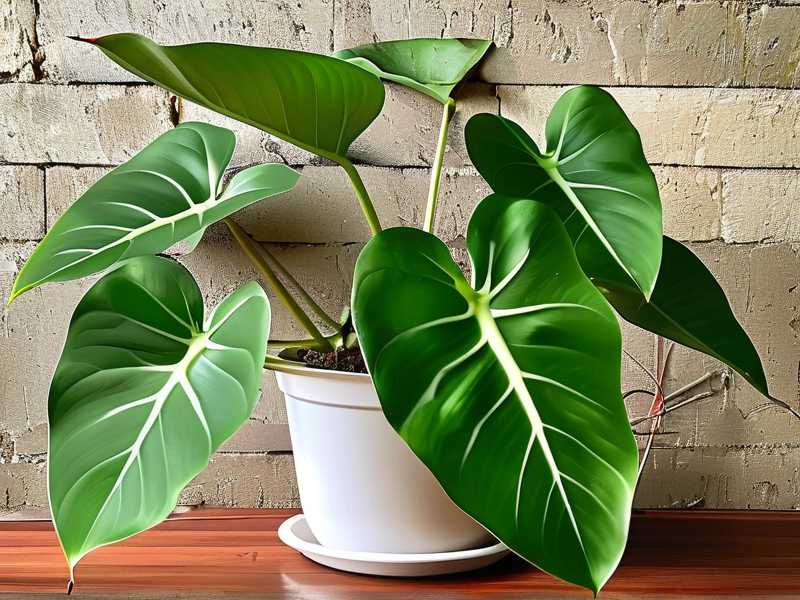
By day five, the stems near the soil looked darker. They had a slightly wet, brownish tint. That is when I realized I messed up. Honestly, many people think yellow leaves mean underwatering. But I can tell you from experience, overwatered leaves get soft first. Dry leaves get crispy.
Week Two: Full Rot Sets In
Day ten was painful to watch. The leaf tips turned brown, but the rest of the leaf was soft and yellow. The soil smelled musty. That earthy, sour smell is a dead giveaway. I pulled the plant out of its pot. The roots were brown and slimy. Healthy Aglaonema roots should be firm and white or pale cream. Mine were mushy.
By day fourteen, the center stem felt mushy at the base. That is stem rot. Once that happens, the plant is basically done. I had to cut off all rotten parts and propagate the healthy top cuttings. It was a mess. I lost half the plant.
3 Deadly Mistakes Beginners Make (I Made All of Them)
I killed my second Aglaonema before I knew what I was doing. Actually, I killed three before I figured it out. Let me save you the trouble.
Mistake #1: Watering on a Schedule
I used to water every Sunday. That was my routine. But plants do not care about your calendar. I learned that the hard way. Soil dries at different speeds depending on season, humidity, and pot size. My living room is humid in summer. The soil stayed wet for ten days. But I still poured water on it every Sunday.
The fix is simple. Stick your finger two inches into the soil. If it feels wet, do not water. Wait another two days and check again. I now use a moisture meter. But honestly, your finger works fine. Do not trust the topsoil. The top might look dry, but two inches down, it is still soaked.
Mistake #2: Putting Aglaonema in Direct Sunlight
People think more light means less overwatering. That is not true. Aglaonema loves indirect light. Direct sun burns the leaves fast. I placed one near a south-facing window. The leaves got scorched within a week. They turned brown and crispy at the edges.
But here is the twist. When leaves get sunburned, they look similar to overwatered leaves. Both get yellow edges. That confused me for months. The difference is texture. Sunburned leaves feel dry and papery. Overwatered leaves feel soft and wet. Once I learned to feel the leaf, I stopped guessing.
Mistake #3: Using the Wrong Pot
I bought a beautiful ceramic pot with no drainage hole. I thought I could just be careful with watering. That was stupid. Honestly, that pot killed my third Aglaonema. Water pooled at the bottom. The roots sat in water for weeks. I did not even know until I tipped the pot over.
The rule is non-negotiable. Use a pot with drainage holes. If you love a decorative pot without holes, use it as a cachepot. Keep the Aglaonema in a plastic nursery pot inside. Take it out to water. Let it drain fully before putting it back. I do this now. No more root rot.
My Step-by-Step Rescue Method for Overwatered Aglaonema
I have saved a few plants after overwatering. It takes patience. But it works.
Step 1: Stop Watering Immediately
If you see yellow leaves, stop. Put the watering can away. Do not water for at least two weeks. The plant needs time to dry out. I let the soil go bone dry before I even think about watering again.
Step 2: Check the Roots
Gently slide the plant out of its pot. Smell the soil. If it smells sour or rotten, you have root rot. Look at the roots. Healthy roots are firm and light colored. Rotten roots are brown, black, or mushy.
Use clean scissors to cut off all rotten roots. I cut until I see white or cream colored tissue. Be aggressive. Leaving one rotten root can spread the rot. I have learned to cut more than I think I need.
Step 3: Repot in Fresh Soil
Throw away the old soil. It is contaminated with rot bacteria. Use a well-draining potting mix. I mix regular potting soil with perlite and orchid bark. The ratio is two parts soil, one part perlite, one part bark. This helps the soil dry faster.
Choose a pot that is only one size larger than the root ball. Big pots hold too much moisture. I used to think bigger was better. Now I know a snug pot prevents overwatering.
Step 4: Wait Before Watering
After repotting, do not water for at least five to seven days. The roots need time to heal. Watering immediately can cause more rot. I let the fresh soil stay dry for a full week. Then I water lightly.
Step 5: Provide Good Airflow
Place the plant in a spot with indirect light and good airflow. A small fan helps. Stagnant air keeps soil wet longer. I put my Aglaonema near a window that I open often. The air movement helps the soil dry evenly.
Over two weeks, I saw new growth. Tiny green leaves started emerging from the center. That was the sign of recovery. Do not expect overnight results. It took my plant about three weeks to look normal again.
Expert Authority: What RHS and AHS Say
I always check official gardening sources before giving advice. The RHS states that overwatering is the most common cause of houseplant death. They emphasize checking soil moisture before watering. The AHS recommends using pots with drainage holes and avoiding saucers that hold standing water. Both agree that Aglaonema prefers to dry out between waterings.
I follow their advice strictly now. It has saved me from killing more plants.
How to Prevent Overwatering Long-Term
I stopped guessing with my watering. Here is my system.
Use the Weight Method
Lift your pot after watering. Feel how heavy it is. Then lift it again when the soil is dry. You will notice a weight difference. Dry soil is much lighter. I use this trick every time I water now. If the pot feels heavy, I wait.
Choose a Clear Inner Pot
I use a clear plastic nursery pot inside my decorative pots. This lets me see the soil level and moisture. I can check if the bottom of the soil is still wet. That visibility is key. No more guessing.
Water from the Bottom
I started bottom watering my Aglaonema. I fill a tray with water and let the pot sit in it for 15 minutes. The soil absorbs water from the drainage holes. This prevents overwatering because the soil only takes what it needs. Top watering can leave puddles on the surface.
Monitor Humidity
Aglaonema likes humidity around 60%. But high humidity slows down soil drying. In winter, my house is dry. I water less often. In summer, humidity is high. I water even less. I learned to adjust based on the room conditions, not a fixed schedule.
Frequently Asked Questions
Can overwatered Aglaonema recover?
Yes, if caught early. If the roots are still partly white and firm, you can save it. Cut off rotten roots, repot in fresh soil, and stop watering for a week. I saved two plants this way. If the stem is mushy and soft all the way up, it is probably too late.
How often should I water Aglaonema?
There is no fixed schedule. I water mine every 10 to 14 days in summer and every 20 to 25 days in winter. But I always check the soil first. Stick your finger two inches deep. Only water if it feels dry. I use a moisture meter to confirm.
What does overwatered Aglaonema look like compared to underwatered?
Overwatered leaves are soft, yellow, and limp. They feel squishy. Underwatered leaves are dry, crispy, and curl inward. The soil pulls away from the pot edges. I have seen both. The texture of the leaf is the quickest way to tell. Touch the leaf. Soft means too much water. Crispy means too little.
Final Thoughts
I killed three Aglaonema plants before I learned to water correctly. It is frustrating. But once you understand the signs, it is easy to prevent. Check the soil with your finger. Look for soft yellow leaves. Smell for sour soil. Feel the weight of the pot. These small habits save plants.
Now my Aglaonema is thriving. It has dark green leaves with silver patterns. It grows steadily. I water it only when it needs it. That is the secret. Let the plant tell you when it is thirsty. Do not force water on it because you think it looks dry on top. Take your time. Observe. Your Aglaonema will thank you.





