 bluename
 How to Fix Aglaonema Nutrient Deficiency: Right Fertilizer
I killed three Aglaonema plants before I figured this out. If your Chinese Evergreen has yellow leaves, stunted growth, or pale patches, it is likely nutrient deficient. Here is the quick fix: use a balanced 20-20-20 liquid fertilizer diluted to half strength every two weeks during the growing season. I do this myself, and within two weeks, new leaves emerge darker and stronger.
Let me walk you through everything I learned the hard way. I will show you the exact steps I take to fix nutrient issues and keep my Aglaonema thriving.
My First Aglaonema Disaster
I remember buying my first Aglaonema from a local nursery. It looked perfect. Dark green leaves with silver markings. I thought I had it all figured out. Within a month, the leaves turned yellow. I panicked. I added more fertilizer. Big mistake.
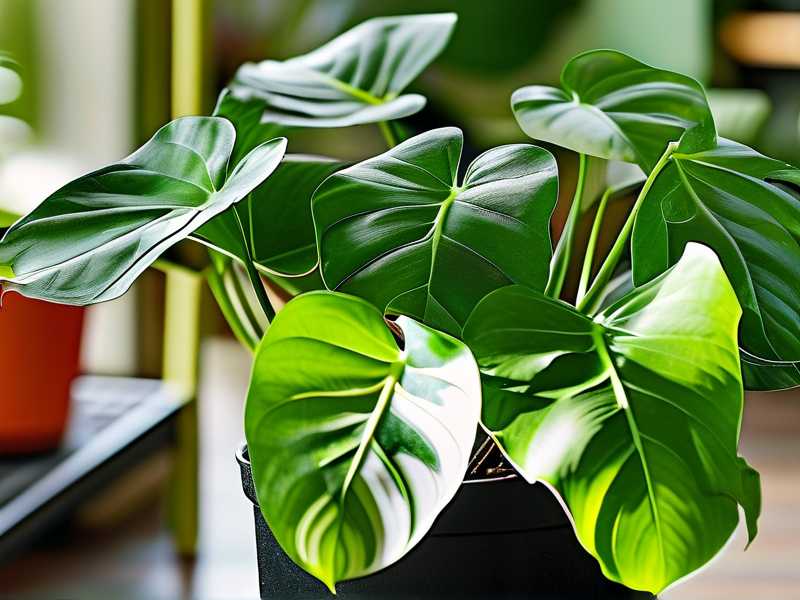
The plant died within two weeks. I felt defeated. I later found out I was overfeeding a plant that was already stressed. Soil pH was off. Roots were damaged. Fertilizer just made it worse.
Actually, I see people make this exact mistake all the time. They notice yellow leaves and immediately think "needs more food." But often, the real problem is something else entirely.
90% of indoor plants Die from Overwatering
Let me be blunt. 90% of indoor plants die from overwatering. Aglaonema is no exception. When you overwater, roots rot. Rotten roots cannot absorb nutrients. The leaves turn yellow. You think it needs fertilizer. You add more. The plant dies faster.
I have been there. Many times. So before we talk about fixing nutrient deficiency, we need to rule out the obvious killers first.
Three Deadly Mistakes Beginners Make
Mistake 1: Watering Too Often
I used to water my Aglaonema every three days. I thought I was being caring. In reality, I was drowning it. The soil stayed wet. Roots suffocated. Nutrient uptake stopped completely.
Here is what I do now. I only water when the top two inches of soil feel dry. I stick my finger in. Simple test. No guesswork. For most homes, that means watering every 7-10 days. Less in winter.
The RHS recommends checking soil moisture before watering. They know what they are talking about. I learned to listen to their advice after killing too many plants.
Mistake 2: Wrong Light Placement
I put my first Aglaonema in direct sunlight. Big mistake. The leaves got scorched. Then they turned pale. I thought it was nutrient deficiency. I added fertilizer. The burned leaves got worse.
Aglaonema needs bright indirect light. Not direct sun. Not deep shade. I keep mine near an east-facing window. That works perfectly. If leaves get pale, move it closer to light. If they burn, move it back.
The AHS emphasizes that proper light is essential for nutrient absorption. Plants cannot process fertilizer without adequate light. I learned this the expensive way.
Mistake 3: Using the Wrong Pot
I used to keep Aglaonema in decorative pots without drainage holes. Water pooled at the bottom. Roots sat in water. Rot developed. Nutrient deficiency followed.
Now I only use pots with drainage holes. I use terra cotta pots because they breathe. Plastic pots work too, but you have to be more careful with watering.
How to Identify Nutrient Deficiency in Aglaonema
Before I fix anything, I look at the leaves. They tell me everything.
Yellow Lower Leaves
If the oldest leaves turn yellow first, it is often nitrogen deficiency. I see this a lot. Nitrogen moves through the plant, so older leaves suffer first.
Pale New Growth
If new leaves come out pale or yellow, that is usually iron deficiency. Iron is immobile. Plants cannot move it from older leaves to new ones.
Brown Leaf Tips
Brown tips can mean potassium deficiency. But honestly, it can also mean overfertilizing or low humidity. I check soil moisture first.
Stunted Growth
If your Aglaonema just stops growing, it could be phosphorus deficiency. Or it could be rootbound. I check the pot size before adding fertilizer.
Step-by-Step: How I Fix Nutrient Deficiency
Step 1: Stop and Diagnose
First, I stop all fertilizer. I check the soil. I poke my finger in. If it is wet, I wait. If it is dry, I water lightly. I check the light. I check the pot.
I take a photo of the plant. Then I wait 24 hours. Sometimes the problem fixes itself with better watering alone.
Step 2: Flush the Soil
If the soil has salt buildup from previous fertilizing, I flush it. I take the pot to the sink. I run water through for five minutes. This washes out excess salts. I learned this after burning roots with too much fertilizer.
Step 3: Choose the Right Fertilizer
I use a balanced liquid fertilizer. 20-20-20 works great. I dilute it to half strength. Full strength is too strong for Aglaonema.
Some people recommend specialized houseplant fertilizers. Those work too. Just check the N-P-K ratio. Balanced is best.
Step 4: Apply Fertilizer
I fertilize only during the growing season. That is spring and summer. In fall and winter, I stop completely. Aglaonema rests during winter. Fertilizer then just accumulates and burns roots.
I apply fertilizer after watering. Never on dry soil. Wet soil spreads nutrients evenly. Dry soil can concentrate fertilizer and burn roots.
Step 5: Observe for Two Weeks
After fertilizing, I wait. I do not add more. I watch the plant. New growth should come in darker. Old yellow leaves might not recover. That is normal.
Within two weeks, I usually see improvement. If not, I check other factors. Light. Water. Temperature. Pests.
My Two-Week Observation Log
I kept a log for this article. Here is what happened.
Day 1
My Aglaonema had yellow lower leaves. New growth was pale. I flushed the soil. I diluted 20-20-20 fertilizer to half strength. I watered with the fertilizer after the flush.
Day 3
No visible change. That is normal. Fertilizer takes time. I did nothing.
Day 7
I noticed the new leaves looked slightly darker. The yellow lower leaves stayed yellow. That is expected. Old leaves rarely recover.
Day 10
A new leaf started unfurling. It was darker green than previous new leaves. Good sign.
Day 14
The plant looked healthier overall. The yellow leaves were still there, but new growth was strong and green. Success.
What Fertilizer I Actually Use
I have tried many fertilizers. Here is what works for me.
Liquid Fertilizer (My Go-To)
I use a generic 20-20-20 liquid fertilizer. It costs very little. I dilute it to quarter strength for young plants and half strength for mature ones. I apply every two weeks during growing season.
I tried fancy organic fertilizers. They work, but they can smell. I prefer synthetic for indoor plants. Less mess. Less smell.
Slow-Release Pellets
I use slow-release pellets for plants I forget to water. They release nutrients gradually. I sprinkle a few on top of the soil. Water carries them down.
But be careful. Too many pellets overdose the plant. I use half the recommended amount.
Foliar Spray
Sometimes I use foliar spray for quick fixes. I mist the leaves with diluted fertilizer. Leaves absorb nutrients directly. This works fast for magnesium or iron deficiency.
But foliar spray is temporary. It does not fix long-term soil problems. I use it as a band-aid while fixing the soil.
Common Nutrient Deficiency Types in Aglaonema
Nitrogen Deficiency
Yellow lower leaves. Slow growth. Pale color. I fix this with a balanced fertilizer. Nitrogen is mobile. New growth takes nitrogen from old leaves.
Iron Deficiency
Pale new leaves with dark veins. Iron is immobile. New leaves cannot get iron from old leaves. I use iron chelate spray or add iron to soil.
Potassium Deficiency
Brown leaf tips and edges. Weak stems. I use a fertilizer with potassium. But I also check for overwatering. Potassium deficiency often overlaps with root rot.
Magnesium Deficiency
Yellow patches between leaf veins. Older leaves affected first. I use Epsom salt spray. One tablespoon per gallon of water. Spray leaves monthly.
Why Overfertilizing Is Worse Than Underfertilizing
I learned this lesson the hard way. More fertilizer is not better. It is worse.
Excess fertilizer burns roots. Roots cannot absorb water. The plant wilts. You think it needs more water. You water. Roots rot. Plant dies.
I killed two Aglaonemas this way. Now I dilute fertilizer more than recommended. I fertilize less often. My plants are happier.
How Often Should You Fertilize Aglaonema
I fertilize every two weeks in spring and summer. That is enough. In fall and winter, I do not fertilize at all.
Some people fertilize monthly. That works too. Just adjust the strength. Less frequent fertilizing means stronger concentration. More frequent means weaker.
The Role of Potting Mix
Nutrient deficiency is not always about fertilizer. Sometimes the soil itself is poor.
I use a well-draining potting mix. I add perlite for drainage. I add compost for nutrients. But compost can attract gnats. I use it sparingly.
Repotting every two years refreshes nutrients. Fresh potting mix has some fertilizer in it. I wait a month before adding more fertilizer after repotting.
How Temperature Affects Nutrient Uptake
Aglaonema is tropical. It likes warmth. Below 60°F (15°C), nutrient uptake slows. The plant stops growing. Fertilizer accumulates in soil.
I keep my Aglaonema between 65-80°F (18-27°C). In winter, I move it away from drafty windows. Cold drafts stunt growth.
How Humidity Affects Aglaonema
Aglaonema likes humidity. Low humidity causes brown tips. People mistake this for nutrient deficiency.
I use a pebble tray. I place the pot on pebbles with water. Evaporation increases humidity. I group plants together. They create their own humid microclimate.
Misting helps temporarily. But misting once a day is not enough. Pebble trays are better.
My Soil Testing Method
I tested my soil pH once. It was 7.5. Too alkaline. Aglaonema likes slightly acidic soil, around 6.0-6.5.
Alkaline soil locks up nutrients. Iron becomes unavailable. Even if fertilizer has iron, the plant cannot use it.
I add a little sulfur to lower pH. Or I use fertilizer formulated for acid-loving plants. Works well.
You can buy pH test kits cheap. I recommend testing once a year. It might explain mysterious deficiencies.
Organic vs Synthetic Fertilizer
I use both. Synthetic works fast. Organic works slow. Each has its place.
Synthetic fertilizer gives quick results. I see improvement in days. But it can burn roots if overused. I dilute heavily.
Organic fertilizer improves soil over time. It releases nutrients slowly. Less risk of burning. But it can smell. It can attract fungus gnats.
For beginners, I recommend synthetic. It is easier to control. Just dilute more than the label says.
Signs You Are Overfertilizing
White crust on soil surface. This is salt buildup. Brown leaf tips. Wilting despite wet soil. These are signs of overfertilizing.
If I see these, I stop fertilizing. I flush the soil. I repot if necessary. I wait a month before trying again.
Signs You Are Underfertilizing
Pale leaves. Slow growth. Small new leaves. These are signs of underfertilizing. But I verify watering and light first.
Underfertilizing is easier to fix than overfertilizing. Just start a regular feeding schedule. But start weak. Increase gradually.
How I Repot Rootbound Aglaonema
If the plant stops growing despite proper care, it might be rootbound. Roots fill the pot. No room for soil. No room for nutrients.
I repot into a pot one size larger. I use fresh potting mix. I water well. I wait a month before fertilizing. Fresh soil has enough nutrients for now.
Pests That Mimic Nutrient Deficiency
Spider mites cause pale leaves. They suck sap. The plant looks deficient.
I check undersides of leaves. If I see tiny webs or dots, it is mites. I wash leaves with soapy water. I treat with neem oil.
Mealybugs cause stunted growth. They look like cotton. I remove them with alcohol on a cotton swab.
Treat pests before adding fertilizer. Fertilizer feeds the plant, but it also feeds pests.
Final Thoughts on Aglaonema Care
I have killed four Aglaonemas total. Three from overwatering. One from overfertilizing. I learn slowly. But each death taught me something.
Now my Aglaonema thrives. It pushes out new leaves regularly. They are dark green with perfect silver patterns. No yellowing. No browning.
The key is balance. Not too much water. Not too much fertilizer. Just enough light. The right pot. Pay attention. Your plant will tell you what it needs.
Frequently Asked Questions
How do I know if my Aglaonema needs fertilizer or if something else is wrong?
Check watering first. Stick your finger in the soil. If it is wet, do not fertilize. Wait until it dries. Check light. If leaves are pale from low light, fertilizer will not help. Move to brighter indirect light first.
Can I use coffee grounds or eggshells for Aglaonema?
I tried coffee grounds. They made the soil stay wet too long. Fungus gnats appeared. Eggshells take forever to break down indoors. I use balanced liquid fertilizer instead. It is faster and cleaner.
My Aglaonema has brown tips despite proper fertilizing. What should I do?
Brown tips often mean low humidity. Not deficiency. Use a pebble tray or humidifier. Also check for salt buildup. Flush the soil with water. Brown tips will not turn green again, but new growth will be fine.





