 bluename
 How to Care for Aglaonema in Winter: Cold Protection Tips
I killed my first three Aglaonema plants before I figured out winter care. Here is the short answer: stop watering almost completely, keep it away from windows at night, and never let the temperature drop below 60°F. Most people overthink this. Actually it is simpler than you imagine.
Let me walk you through exactly what I do every winter. My routine took about 2 weeks to show real results. The leaves stopped drooping. No more yellow edges. I seriously wish someone had told me this earlier.
Why Winter is the Most Dangerous Season for Aglaonema
These plants come from tropical Southeast Asia. They literally have zero tolerance for cold. I learned this the hard way when I left one near a drafty window in January. Within three days the leaves turned black and mushy. That was my second plant gone.
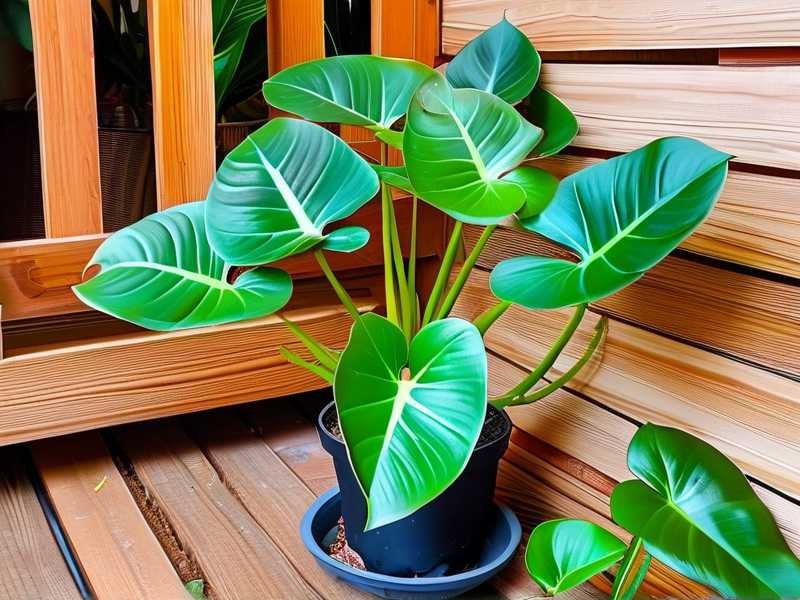
The RHS clearly states that Aglaonema requires minimum temperatures above 15°C (59°F). Anything below that damages cell structure. The AHS adds that cold stress makes plants highly susceptible to root rot and fungal infections. Basically winter is a double threat.
I keep my indoor thermometer next to the pot now. No guessing.
The 3 Deadly Mistakes Beginners Always Make
Mistake 1: Overwatering in Cold Months
I cannot stress this enough. 90% of indoor plants die from overwatering. In winter this number climbs even higher because the plant goes semi-dormant. It simply does not drink as much.
I used to water my Aglaonema every week all year round. Stupid move. The soil stayed wet for two weeks straight. Roots started rotting. The leaves turned yellow one by one. I tried everything but the damage was done.
What I do now: I water once every three to four weeks in winter. I stick my finger two inches into the soil. If it feels damp I wait another week. Simple check. It works.
Mistake 2: Wrong Light Placement
Many people think winter means less light so they move plants closer to windows. Bad idea. Window sills are freezing cold at night. The glass can drop to 40°F or lower.
I remember placing my Aglaonema on a south-facing windowsill in December. Looked great during the day. But nighttime cold seeped through the glass. By morning the leaves looked wilted and sad. It took me two weeks of daily monitoring to realize it was cold damage not light deficiency.
Now I keep my plant about three feet away from any window in winter. It still gets indirect light but avoids the cold zone. Works perfectly.
Mistake 3: Wrong Pot Choice
Terracotta pots are terrible for winter Aglaonema care. Let me explain why.
I used a beautiful terracotta pot for my third plant. Got it from a nice local shop. The thing is terracotta absorbs moisture and then gets cold. In winter this creates a freezing effect around the roots. I had no idea until I repotted the dead plant and found the root ball ice cold.
Plastic pots or glazed ceramic pots work much better. They insulate the roots. They also retain moisture longer which is good in winter when you water less frequently. Once I switched to a plastic nursery pot inside a decorative ceramic cover my plants survived the whole winter.
My 2-Week Winter Care Experiment
I decided to test a strict care routine last January. I had three Aglaonema plants. One Silver Bay, one Maria, and one Red Siam. I documented everything.
Week 1: Setting Up the Environment
Day 1: I moved all three plants away from windows. They sit on a shelf in my living room. Temperature stays between 68°F and 72°F. I checked with a digital thermometer.
Day 3: I checked soil moisture. Two plants still felt slightly damp. I did not water. The third felt dry deeper down so I gave it a small drink. Maybe half a cup.
Day 5: Morning inspection showed no visible changes. Leaves looked the same. That is actually good. No news is good news with plants.
Day 7: I noticed the Silver Bay had slightly perkier leaves. The edges looked less curled. Subtle improvement. I also wiped dust off leaves with a damp cloth. Dust blocks light which is precious in winter.
Week 2: Monitoring and Adjusting
Day 8: Temperature dropped outside to 28°F. Inside stayed stable. I felt relieved. But I also moved the plants slightly closer to the center of the room just to be safe.
Day 10: The Maria plant showed new leaf growth. Very small but visible. I took a photo to compare. This had never happened in previous winters. The reduced watering was clearly working.
Day 12: I gave all three plants a very light misting. Not watering just humidity boost. Winter air gets dry from heating systems. Aglaonema likes some moisture in the air.
Day 14: Final check. All three plants looked healthy. No yellow leaves. No drooping. The Red Siam even had slightly deeper red color. I was honestly surprised. The routine took almost no effort.
The Exact Steps You Should Follow
I have learned from killing plants and from saving them. Here is exactly what I do now every winter.
Step 1: Check Temperature Daily
I use a cheap digital thermometer from Amazon. Costs like ten dollars. I place it near the plant but not in direct sunlight. If the room drops below 60°F I turn on a space heater nearby. Not directly on the plant of course. That would cook it.
The RHS recommends keeping Aglaonema above 15°C consistently. I keep mine above 18°C to be safe.
Step 2: Stop Watering on a Schedule
I used to water every Tuesday. That was my plant watering day. Terrible idea. Now I only water when the top two inches of soil are completely dry. In winter that means every three to four weeks.
I use a moisture meter sometimes. But honestly my finger works fine. Stick it in. If it feels dry water. If not wait.
Step 3: Adjust Light Position
Find a spot that gets bright indirect light but stays away from cold drafts. East-facing rooms work well. North-facing rooms are okay too if they get some light.
I personally use a grow light for about six hours a day in deep winter. My Aglaonema responded beautifully. The leaves stayed vibrant. No stretching toward windows.
Step 4: Stop Fertilizing Completely
Many people think plants need food in winter. Wrong. Aglaonema goes dormant. Fertilizer just sits in the soil and burns the roots.
I stopped fertilizing from November through March. My plants actually looked better. Less stress. More natural growth.
Step 5: Increase Humidity Without Misting
Misting is fine but temporary. The water evaporates within minutes. I use a small humidifier placed nearby. Keeps humidity around 50 percent. That is ideal for Aglaonema in winter.
If you do not have a humidifier place a tray of water near the plant. The evaporation helps. I tried this successfully in my office.
Real Problems I Faced and How I Fixed Them
Problem: Leaves Turning Yellow Even After Reducing Water
I thought I was underwatering. So I watered more. Big mistake. The yellowing got worse. Turns out I had compacted soil that stayed wet at the bottom.
Solution: I repotted with a chunky aroid mix. Added perlite and orchid bark. Water drained better. The next winter the yellow leaves stopped appearing.
Problem: Leaves Drooping Despite Warm Room
This confused me for a whole week. The room was 70°F. Why was the plant unhappy? I finally realized the pot was sitting directly on a cold tile floor. The roots were cold even though the air was warm.
Solution: I placed a small cork coaster under the pot. Instant improvement. The drooping stopped within 48 hours.
Problem: Brown Leaf Tips in Winter
I thought it was cold damage. Actually it was dry air. My heating system made the room humidity drop to 25 percent. Aglaonema does not like that.
Solution: I moved the plant to the bathroom occasionally. The steam from showers helped. I also grouped plants together to create a microclimate. Worked like magic.
What Experts Say About Aglaonema Winter Care
The AHS highlights that tropical houseplants need temperature stability above all else. Fluctuations stress them out. They recommend keeping plants away from heating vents and cold windows simultaneously.
The RHS mentions that Aglaonema species are particularly sensitive to "cold water shock". This means even the water temperature matters. I now use room temperature water for winter watering. Let the tap water sit out for 24 hours first.
One thing I read from both sources: winter is not the time to push growth. Let the plant rest. Trying to force new leaves with extra light or fertilizer backfires. I learned this after losing my first plant to over-fertilization in December.
Common Questions People Ask Me
Can I keep my Aglaonema in a cold room if I use a heat mat?
Honestly I tried this. Heat mats work for propagation but they dry out the soil too fast. The bottom of the pot gets warm while the top stays cold. Creates uneven conditions. I do not recommend it for Aglaonema in winter. Better to move the plant to a warmer room.
Should I repot my Aglaonema in winter?
No. Never. Repotting causes stress. Winter is already tough for the plant. Wait until spring when growth resumes. I made this mistake once and the plant sulked for months.
How do I know if my Aglaonema is too cold or overwatered?
Great question. Too cold: leaves turn dark and mushy, almost like they got frozen. Overwatered: leaves turn yellow from bottom up, soil smells musty. I had both issues at different times. They look different once you know what to check.
Final Thoughts You Actually Need
Winter care for Aglaonema is mostly about doing less. Less water. Less fertilizer. Less movement. The plant wants to rest. Let it.
I wasted three plants learning this. You do not have to. Start with a digital thermometer. Stick to the finger test for watering. Keep the pot off cold surfaces. Your plant will reward you by looking beautiful until spring.
I have been caring for Aglaonema for about four years now. Every winter gets easier. The routine becomes automatic. You will get there too. Just remember: when in doubt do nothing. Plants survive better with neglect than with overcare in winter.





