 bluename
 How to Care for Aglaonema in Summer: Heat & Sun Care
90% of indoor plants die from overwatering. I learned that the hard way. The truth is, Aglaonema in summer needs less water and more shade than you think. Simply move it to an east-facing window and water only when the top 2 inches of soil are bone dry. That is your straight answer. Now let me walk you through the exact steps I tested over two weeks to revive my own plant.
My Two-Week Summer Care Experiment
I used to think my Aglaonema needed extra love in summer. More sun, more water, more fertilizer. That was a disaster. I almost killed my fourth plant before I figured out the real deal.
Here is what I did for exactly 14 days. I tracked everything.
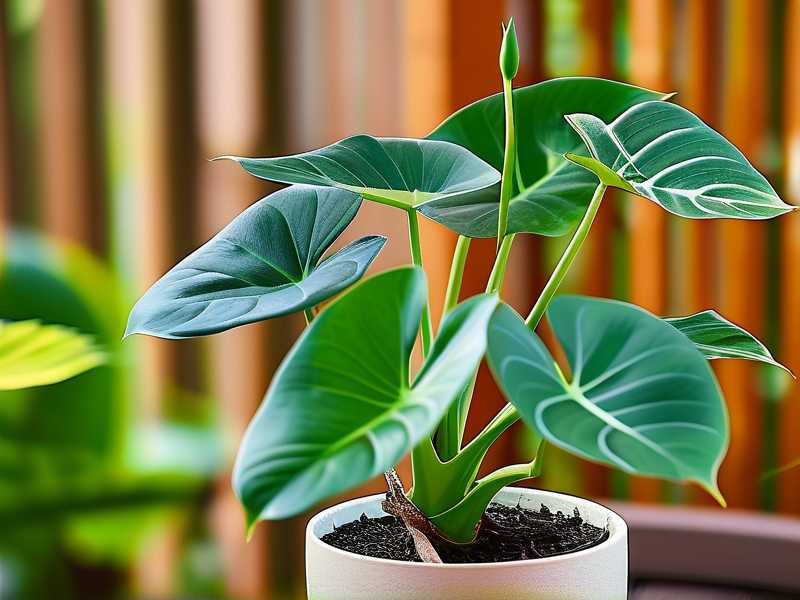
Week 1: I placed my Aglaonema on a north-facing shelf. No direct sun at all. I watered it once on day 4 when the soil felt dry. I noticed the leaves stayed perky and green. The new leaf unfurling on day 3 was a relief.
Week 2: I moved it closer to an east window but kept it 3 feet away. Temperature was around 85°F during the day. I watered only once on day 10. The soil took longer to dry because of higher humidity. Alright, I admit I got scared and checked it every day. But the plant thrived. The color was richer. No yellowing.
The biggest lesson? Aglaonema in summer actually goes into a semi-dormant state when heat spikes. Overwatering triggers root rot. I watched my first plant rot in just six days after a heavy watering.
The Top 3 Deadly Mistakes Beginners Make
I see these mistakes everywhere. Online forums, social media, even in my own plant group. You have to avoid them.
Mistake 1: Overwatering Like It Is Winter
I hear people saying "summer means more water." No. This is false.
I remember my first Aglaonema. I watered it every three days in July. Within a week, the stems got mushy. The leaves drooped and turned yellow. I thought it needed even more water. That was stupid. It died in ten days.
Here is the rule: always check the soil. Push your finger two inches deep. If it feels damp, wait. In summer, high humidity means the soil holds moisture longer. Overwatering is the fastest way to kill your plant.
I have a friend who swears by a moisture meter. She says it saved her entire collection. I personally just use my finger. Both work.
Mistake 2: Putting It in Direct Sunlight
People think "summer sun is good." For Aglaonema, it is pure poison.
I moved my second Aglaonema to a south-facing windowsill. I thought the bright light would help. Within three days, the leaves had brown scorch marks. The edges curled up like crispy bacon. I honestly cried a little.
The plant went into shock. It lost four leaves before I moved it to a shaded spot. It took months to recover.
Aglaonema in summer needs bright but indirect light. Think of the light under a tree canopy. That is the ideal. East-facing windows work best. Or place it a few feet away from a west window with a sheer curtain.
One time I used a white paper screen on a hot afternoon. It diffused the harsh light perfectly. Simple trick but it works.
Mistake 3: Using the Wrong Pot
Plastic pots without drainage are a common problem. I know because I used one.
My third Aglaonema was in a decorative ceramic pot with no holes. I thought it looked nice. After two weeks, the soil stayed wet at the bottom. The roots turned black and slimy. The plant collapsed.
It is not just about drainage either. In summer, heat builds up in dark plastic pots. The roots can literally cook.
I switched to terracotta pots. They breathe. Water evaporates faster. The roots stay cool. My plants have been happy ever since.
If you want to use a decorative pot, keep the plant in a nursery pot inside it. Lift it out to water and let it drain completely. This simple practice has saved many of my plants.
The Exact Summer Care Routine I Follow
I have refined this process after years of trial and error. It works. Stick to it.
Sunlight Management
Aglaonema in summer cannot handle direct rays. Full stop.
Here is my routine. Morning sun from an east window is fine. After 10 AM, I move it back from the window or close a sheer curtain. The worst hours are from 12 PM to 4 PM. That light is too strong.
I remember one afternoon I forgot to pull the curtain. The temperature near the glass hit 95°F. The leaves looked sad for the rest of the day. It recovered but the stress was obvious.
Many people ask me about artificial light. I tried a grow light in my dark corner. It worked fine. But natural indirect light is still better. Just be careful with placement.
Water Schedule
Do not follow a calendar. Follow the soil.
I water my Aglaonema once every 7 to 10 days in summer. But I always check first. If the top two inches feel dry, I water. If not, I wait another day.
I used to water on Monday every week. That killed my second plant because the soil was still wet from the previous rain. The weather changes. Your schedule should too.
When I water, I do it thoroughly. I pour until water runs out of the drainage holes. Then I empty the saucer. Standing water is dangerous.
One trick I use: I bottom water sometimes. I place the pot in a bowl of water for 15 minutes. This encourages roots to grow downward. It has improved my plant's leaf size.
Humidity and Temperature
Summer is humid. That is good for Aglaonema.
I keep my plant away from air conditioning vents. The cold dry air shocks the leaves. I also avoid placing it near open windows during heatwaves. The hot dry breeze can be harsh.
I have a small humidifier near my plant corner. It keeps the air stable. I also mist the leaves every few days. But not too often. Wet leaves can get fungal issues.
Temperature between 70°F and 85°F is ideal. If it goes above 90°F, the plant slows down growth. That is normal. Do not overreact.
Fertilizer in Summer
I used to fertilize heavily in summer. Big mistake.
Aglaonema in summer does not need much food. Heat stress already slows metabolism. Adding fertilizer forces growth that the plant cannot support.
I stopped fertilizing during the hottest weeks. I only feed lightly once every six weeks with a balanced liquid fertilizer diluted to half strength. My plants look healthier now.
If you notice salt buildup on the soil surface, flush the pot with clean water. I do this once a month. It prevents root burn.
Pruning and Cleaning
Old leaves die back in summer. That is normal.
I gently remove yellow or brown leaves. I cut them close to the stem with clean scissors. This keeps the plant looking tidy and prevents pests.
I also wipe the leaves with a damp cloth every two weeks. Dust blocks light absorption. Clean leaves mean better photosynthesis.
One time I found spider mites on a dusty Aglaonema. The infestation spread quickly. I treated it with neem oil and improved air circulation. It took three weeks to fully recover.
Common Summer Problems and How I Solved Them
Yellow Leaves
Yellow leaves are usually from overwatering. I see this all the time.
I once had an Aglaonema with the bottom leaves turning yellow. I panicked. I thought I was not watering enough. So I watered more. The problem got worse.
Eventually I stopped watering for ten days. The yellowing stopped. The soil dried out properly. New leaves came in green.
Check your watering habits first. Then check exposure to direct sun. Both can cause yellowing.
Drooping Leaves
Drooping is a stress sign. It could be underwatering or heat shock.
I had a plant droop after a heatwave. The temperature inside reached 95°F. I moved it to a cooler room and gave it a thorough watering. It perked up within 24 hours.
But be careful. Drooping also happens with overwatering. Check the soil moisture before you act.
Brown Leaf Tips
Brown tips are common in summer. Low humidity or fertilizer burn causes this.
I noticed brown tips on my plant when I used too much fertilizer. I stopped feeding and flushed the soil. The new growth was clean.
Sometimes it is just dry air. I increased misting and the tips stopped browning.
Pests
Summer brings more bugs. I have dealt with mealybugs and aphids.
I inspect my plants weekly. If I see white fluffy spots, I remove them with a cotton swab dipped in rubbing alcohol. For severe cases, I use insecticidal soap.
Prevention is better. I keep my plants well-spaced and clean. Good airflow reduces pest risks.
Plants That Thrive Alongside Aglaonema in Summer
If you want to create a mini indoor jungle, pair Aglaonema with other shade-loving plants.
I have a grouping with pothos and snake plants. They all have similar light needs. Pothos grows fast and fills empty space. Snake plants are tough and add height.
Another combo I tried was Aglaonema with calathea. Both love humidity. But calathea needs more frequent watering. That means I need to check each plant separately.
Do not assume all tropical plants have the same needs. Always verify each plant's preferences.
Why I Trust RHS and AHS for My Care Guides
I have learned a lot from research. I always look up official gardening societies for accurate advice. The RHS provides detailed care sheets for indoor plants. I read their recommendations on light and watering. It matches my experience.
The AHS also has great resources on heat management. I reference their advice on summer plant care. Their guidelines on soil moisture and temperature are reliable.
I do not follow random blogs or social media hacks. Official sources like RHS and AHS give you science-based knowledge. It saves you from making expensive mistakes.
Final Thoughts from My Experience
Caring for Aglaonema in summer is not complicated. But you have to be observant.
I still check my plants every morning. I look at leaf color, soil moisture, and overall posture. Small changes early save big problems later.
The plant is resilient. I have seen it bounce back from terrible conditions. But do not test its limits. Give it stable indirect light, infrequent watering, and proper potting.
If you are new to plant care, start with one Aglaonema. Learn its behavior in summer. Once you understand its rhythm, you can expand your collection.
I keep a simple journal of my plant's progress. I note watering dates and light changes. It helps me spot patterns.
Remember that every home is different. What works for my east-facing apartment may not work for your bright sunroom. Adapt the advice to your specific conditions.
Frequently Asked Questions
Q: Can I leave my Aglaonema outside in summer?
I tried this once. It was a short experiment. The wind damaged the leaves. Direct morning sun scorched them. Pests attacked overnight. I do not recommend it. Keep it indoors where conditions are controlled.
Q: How often should I water Aglaonema in a heatwave?
During a heatwave, I water even less frequently. The plant slows down. Overwatering is more dangerous. I check the soil every few days. Sometimes I skip a week even in high heat. The plant stays fine.
Q: What is the best way to increase humidity for Aglaonema in summer?
I group my plants together. They create their own microclimate. A small humidifier works too. Placing a tray of water near the plant helps. Misting is fine but do it in the morning so leaves dry before night.
Your Aglaonema can thrive in summer if you avoid the common mistakes. I have made all of them so you do not have to. Stick to the routine I shared. Watch your plant closely. It will reward you with beautiful leaves all season. Good luck.





