 bluename
 How to Propagate Aglaonema With Healthy Foliage: A Real-World Guide From Someone Who's Killed More Than a Few
I'll give you the short answer right away: the fastest, most reliable way to propagate Aglaonema with healthy foliage is by division or stem cuttings rooted in water or a light, airy mix — and the single biggest thing that decides whether your new plant thrives or sulks is how you handle water and light in those first two weeks.
That's it. That's the whole secret.
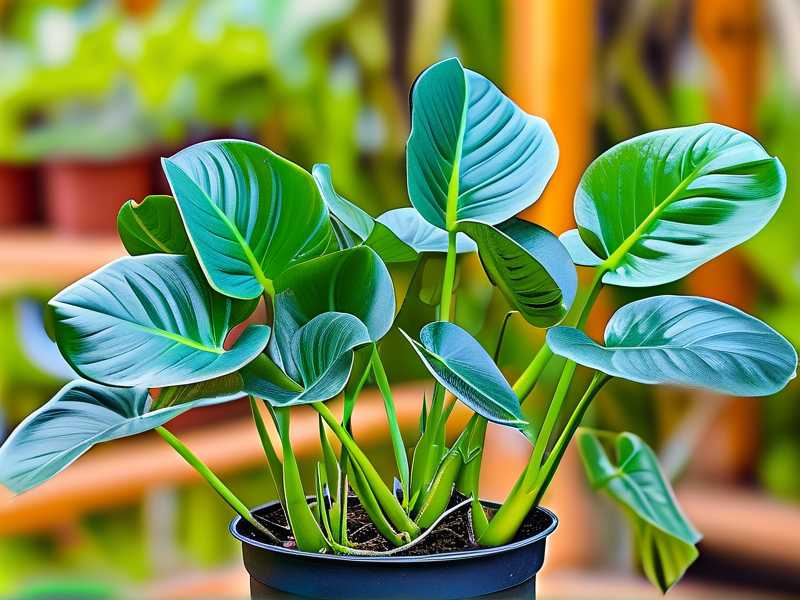
Everything else is just detail. And honestly, the detail is where most people go wrong. I've propagated dozens of Aglaonema at this point. Some went beautifully. Some turned to mush in four days. The difference was never luck. It was a handful of small decisions I made before I even snipped anything.
So let me walk you through exactly how I do it now, based on what actually worked — and what I learned the hard way.
Why Aglaonema Is Worth Propagating (And Why It's Not Always Easy)
Aglaonema, often sold as Chinese Evergreen, is one of those plants that looks expensive but isn't. You can buy one, split it, and suddenly have three. That's a good deal.
But here's the thing. Aglaonema isn't a fast rooter like pothos. It's not a "chuck it in water and forget it" plant. It's slower. It's more sensitive to cold. It's more prone to rot if you get the moisture wrong.
I learned this the hard way with my first Aglaonema 'Silver Bay'. I chopped a stem, stuck it in a glass of tap water on a windowsill, and waited. Two weeks later, the cutting was yellow and the stem was soft. Done. Dead.
I've since learned that Aglaonema propagation is less about technique and more about timing and environment. Get those right and it's almost boring. Get them wrong and you'll wonder why nothing works.
The Three Mistakes That Kill Most Aglaonema Cuttings
Let me be blunt about this, because I made all three.
Mistake #1: Overwatering (Yes, Again)
You've heard it. I've heard it. And it's still the number one killer.
90% of indoor plants die from overwatering.
That's not a scare tactic. That's just what happens when roots sit in soggy soil with no oxygen. Aglaonema roots are thick and fleshy. They hold water. They don't want more.
When I first started propagating, I thought more water meant faster roots. Wrong. I rotted three cuttings in a row because I topped up the water every day. The stems went black at the base. Game over.
The fix: If you're rooting in water, change it every three to four days and only enough to cover the bottom inch of the stem. If you're rooting in soil, water once, then wait until the top inch is dry before even thinking about it. I use a chopstick to check. If it comes out clean, it's dry. If soil sticks, wait.
Mistake #2: Light in the Wrong Place
Aglaonema is a understory plant. In the wild, it grows under tree canopy. It likes bright, indirect light. It hates direct sun. It also hates deep shade.
I once put a freshly potted division on a south-facing windowsill in July. By day three the leaves were bleached and curled. That was too much.
Then I tried a dark corner. The cutting didn't die, but it didn't root either. It just sat there for six weeks, looking miserable.
The fix: A spot two to three feet back from an east or north window is ideal. Or under a grow light set to low. You want enough light that the leaves stay deep green, but not so much that the soil dries out in a day. I use a simple lux meter app on my phone. Anything between 200 and 500 foot-candles is perfect.
Mistake #3: The Wrong Pot
This one is sneaky. I used to grab whatever pot was clean. Big mistake.
Aglaonema roots are slow to fill a pot. If you put a small cutting in a six-inch pot, the soil stays wet for weeks. The roots never dry out. Rot sets in.
I killed a beautiful 'Red Siam' division that way. It was in a pot three times too big. The roots never had a chance.
The fix: Use the smallest pot that fits the root ball. For a single stem cutting, that's usually a two-inch nursery pot or a small clear cup with drainage holes. You want the roots to fill the space within a few weeks. That's how you know it's time to size up.
My Two-Week Aglaonema Propagation Method (Step by Step)
This is what I do now. I've done it with 'Maria', 'Silver Bay', 'Red Siam', and a few no-name green ones. It works.
Step 1: Pick the Right Mother Plant
You want a plant that's healthy and mature. Not a baby. Not one that's struggling.
Look for a stem that has at least three or four leaves and a visible node. The node is the little bump where leaves meet the stem. That's where roots come from.
I usually propagate in late spring or early summer. That's when the plant is actively growing. Fall and winter work, but everything takes twice as long.
Step 2: Take the Cutting (Or Divide)
You have two options.
Division is easiest. Pull the plant out of its pot, find where the stems separate, and gently pull them apart. Each division needs its own roots. Pot them up separately. Done.
Stem cuttings take longer but give you more plants. Cut a stem just below a node. Remove the lower leaves so you have a bare stem about two inches long. That bare part goes into the rooting medium.
I use clean scissors. I wipe them with alcohol first. I know that sounds fussy, but I've lost cuttings to stem rot that started at a dirty cut.
Step 3: Root in Water or Soil
Both work. Water is easier to watch. Soil gives you a stronger root system faster.
Water method: Put the bare stem in a small glass with an inch of room-temperature water. Change the water every three days. Keep it out of direct sun. Roots appear in two to four weeks.
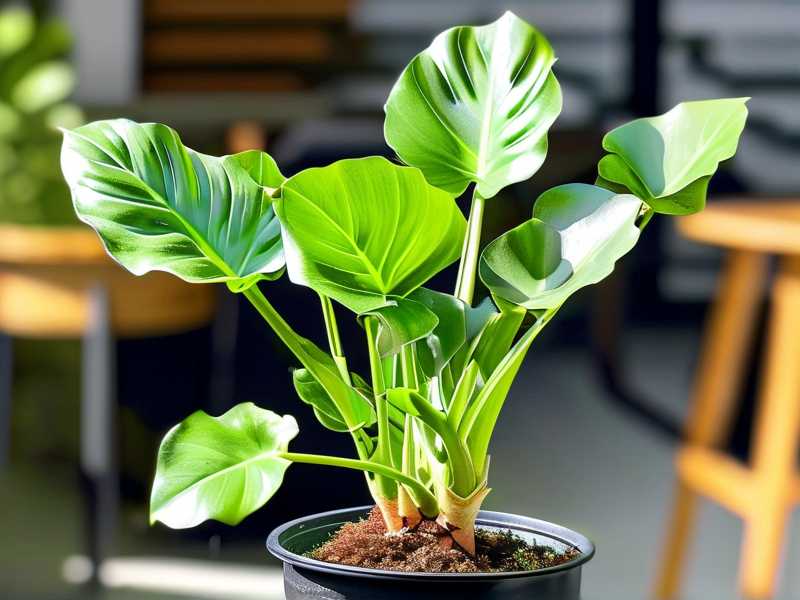
Soil method: Dip the cut end in rooting hormone if you have it. Stick it in a mix of equal parts peat, perlite, and pine bark. Water once. Then put the pot in a clear plastic bag to keep humidity high. Open the bag every few days for air. Roots in three to five weeks.
I prefer soil now. I've had fewer rot issues. But water is fine if you're patient and change it often.
Step 4: The Two-Week Waiting Game
Here's what I actually watch for in the first two weeks.
Days 1–3: The cutting might droop. That's normal. Don't panic. Don't water more.
Days 4–7: If the stem is firm and the leaves are still green, you're on track. If the stem is soft or black, it's rotting. Toss it and start over.
Days 8–14: This is when I check for roots. In water, you'll see little white nubs. In soil, tug gently. If there's resistance, roots are forming.
I keep a note on my phone. Date, method, light level. It helps me learn what works in my house.
Aftercare: How to Keep the Foliage Healthy
Once roots are established, you're not done. That's when the real work starts.
Aglaonema is sensitive to cold. Keep it above 60°F. It hates drafts. It hates wet feet. It likes humidity but not soggy soil.
I water when the top inch of soil is dry. I feed with a diluted liquid fertilizer once a month in spring and summer. Nothing in winter.
The RHS recommends avoiding waterlogged compost for Aglaonema, and I'll second that. The AHS also notes that these plants prefer bright, indirect light — not full sun. That matches what I've seen.
Frequently Asked Questions
Can I propagate Aglaonema in just water forever?
You can, but it won't thrive. Water roots are different from soil roots. After a few months, the plant will stall. I always move mine to soil once roots are two inches long.
Why are my new leaves smaller than the old ones?
Usually light. Too little light means smaller leaves. Move it closer to a window or add a grow light. Also check for pests. Spider mites love Aglaonema.
How long until I have a full-looking plant?
From a single cutting, about six to nine months. From division, faster — maybe three months. I usually pot two or three cuttings together to get a fuller look sooner.
Final Thoughts
Propagating Aglaonema isn't hard. It's just slow. And it punishes impatience.
If you remember nothing else, remember this: don't overwater, don't give it direct sun, and don't put it in a pot that's too big. Do those three things and you'll have healthy foliage on new plants before you know it.
I've killed my share. You probably will too. That's fine. Every dead cutting teaches you something.





