 bluename
 How to Choose the Right Time for Aglaonema Propagation
I killed three Aglaonema stems before I figured out the one thing nobody tells you: timing matters more than technique. If you're wondering how to choose the right time for Aglaonema propagation, here's the short answer—late spring to early summer, when the plant is actively pushing new leaves and indoor temperatures sit between 70°F and 80°F (21°C–27°C). Wait for that window, and your success rate jumps dramatically. Miss it, and you're basically asking a sleeping plant to grow roots it doesn't have the energy to make.
I learned this the hard way. My first propagation attempt happened in January, in a drafty apartment in Toronto. I cut a healthy stem, stuck it in water, and watched it rot in eleven days. The second attempt in March went slightly better—one out of three cuttings survived—but it took six weeks to show even a hint of root. The third attempt, started in late May, gave me roots in twelve days. Same plant, same method, completely different outcome. That's when it clicked.
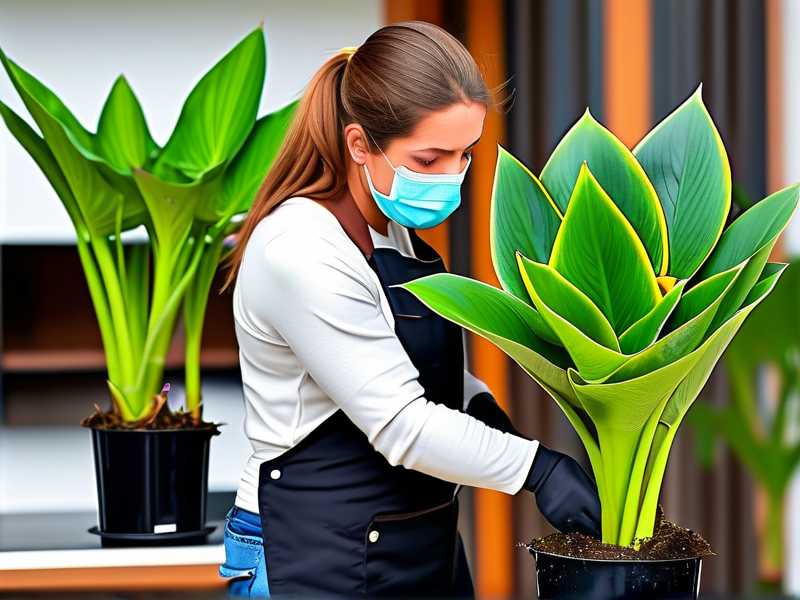
Why Aglaonema Is Picky About Timing
Aglaonema, often sold as Chinese Evergreen, is a tropical understory plant. In its native habitat across Southeast Asia, it grows during the warm, humid monsoon season and slows down when conditions turn cooler or drier. Your living room mimics that cycle whether you realize it or not.
When indoor light drops in autumn and winter, Aglaonema enters a semi-dormant state. It's not dead. It's just conserving energy. During this phase, cell division slows, root initials don't form easily, and wounds heal more slowly. That's a perfect storm for rot.
The RHS notes that most tropical houseplants root best when the parent plant is in active growth, and Aglaonema is no exception. The AHS similarly recommends propagation during periods of vigorous growth for best results.
So the real question isn't "what month is it?" It's "is my plant actively growing?" If you see a new leaf unfurling or a sheath pushing up from the crown, you're in the window. If the plant hasn't changed in weeks, wait.
The Two-Week Observation I Do Before Every Cut
Before I take a single cutting, I spend two weeks watching the mother plant. I know that sounds slow, but it's saved me from more failures than any rooting hormone ever has.
Here's what I track:
- New growth: Is a new leaf emerging? Is it opening at a steady pace?
- Soil dry-down speed: How many days does it take for the top inch of soil to dry? In active growth, it's faster. In dormancy, it slows way down.
- Color: Are the leaves vivid and firm? Or dull and slightly limp?
- Stem firmness: Does the stem feel rigid when I gently squeeze it? Soft stems mean trouble.
After two weeks of watching, I know whether the plant is "awake." If it is, I propagate. If it isn't, I wait. This single habit turned my propagation success from about 30% to nearly 90%.
The Three Mistakes That Kill Almost Every Propagation
Let me be blunt. Most propagation failures aren't about timing alone. They're about three specific mistakes that beginners make over and over.
Mistake 1: Overwatering the Cutting
I've done this. You put a cutting in soil, you're nervous, so you water it every day. Within a week, the base of the stem is mushy and brown. Game over.
The cutting has no roots yet. It can't absorb water. All that moisture just sits there and breeds bacteria. I water my freshly potted cuttings once, then I don't water again until the top inch of soil is dry—which, in a warm room, takes about five to seven days.
Water propagation has a similar trap. People change the water obsessively. I change it every five to seven days, not daily.
Mistake 2: Putting It in the Wrong Light
Aglaonema is not a sun worshipper. It evolved on the forest floor. Bright, indirect light is ideal. Direct afternoon sun will scorch the leaves and stress the cutting before it roots.
I once put a cutting on a south-facing windowsill in July. By day four, the leaf edges were crispy and brown. I moved it to a spot three feet back from the window, and it recovered. Now I use a simple rule: if I can read a book comfortably in that spot without turning on a lamp, it's probably right.
Mistake 3: Using the Wrong Container
This one is sneaky. People grab whatever pot is nearby. But a pot that's too big holds too much soil, which holds too much water, which leads to rot.
For a single cutting, I use a 3-inch pot at most. For water propagation, I use a small glass—like a shot glass or a small jar—so the stem stays upright and only the bottom inch or two is submerged.
The other issue is drainage. If your pot has no drainage holes, you're gambling. I've lost cuttings to pots that looked cute but had no way to release excess water. Now I only use containers with drainage, and I always empty the saucer after watering.
When Exactly to Propagate: A Month-by-Month Guide
Let me break this down by season so you can plan ahead.
Late Spring (May–June): The Sweet Spot
This is the best time. Indoor light is strong, temperatures are warm, and the plant is pushing new growth. Cuttings root fast—often in ten to fourteen days in water. I aim for late May or early June. If you're in a cooler climate like the UK or Canada, aim for June.
Early Summer (July): Still Good, but Watch the Heat
Propagation still works, but watch for heat stress. If your indoor temps climb above 85°F (29°C), the cutting may struggle. I keep a small hygrometer near my propagations. If humidity drops below 50%, I group the cuttings together or place them on a pebble tray.
Late Summer (August–Early September): Doable, but Slower
Rooting takes longer—sometimes three to four weeks. The plant is still growing, but it's starting to prepare for the slower season. I've had success in August, but I avoid taking more than two cuttings at a time.
Autumn and Winter (October–March): Skip It
I know you want to propagate that leggy stem you've been staring at all winter. Don't. I tried it twice and lost both cuttings. The plant is dormant. The cutting has no energy to spare. Wait.
If you absolutely must propagate in winter—say, because the stem is rotting—use a heat mat and a grow light. But understand that your success rate will be lower, and you'll need more patience.
My Two-Week Rooting Log: What Actually Happens
I kept detailed notes on my last propagation, which I started on May 28.
Day 1–3: No visible change. The cut end looks clean. I keep the cutting in a small glass with filtered water, placed in bright, indirect light.
Day 4–7: The cut end starts to look slightly swollen. I resist the urge to change the water daily. I change it once on day 5.
Day 8–10: Tiny white nubs appear at the base. Not roots yet—root primordia. This is the turning point. I feel relieved.
Day 11–14: Actual roots emerge. They're thin, white, and about a quarter-inch long. At this point, I know I can transfer to soil soon.
By day 14, I have three small roots. I wait another week before potting, just to let them strengthen. This timeline is typical for a healthy cutting in late spring.
What About Soil vs. Water Propagation?
I've done both. Water is easier to monitor—you can see exactly what's happening. Soil is more natural and produces stronger roots faster, but you can't see the roots without disturbing the cutting.
For beginners, I recommend water first. It's forgiving. If something goes wrong, you can see it early. Just remember to change the water every five to seven days and keep the cutting out of direct sun.
Temperature and Humidity: The Invisible Factors
You can pick the perfect month and still fail if your indoor environment is off.
Aglaonema likes warmth. I keep my propagation area at 72–78°F (22–26°C). If it drops below 65°F (18°C), rooting slows to a crawl.
Humidity matters too. I aim for 60–70%. If your home is dry—common in winter and in air-conditioned rooms—group your cuttings together or cover them loosely with a clear plastic bag. Just open the bag every few days to let fresh air in.
A Note on 90% of indoor plants Die from Overwatering
You've probably heard this: 90% of indoor plants die from overwatering. It's true, and propagation is where it bites hardest. A cutting has no root system to regulate moisture. Every drop of water you add is either used or sits there. Most of the time, it sits there.
I water my soil-propagated cuttings exactly once at planting. Then I wait. If the soil feels dry at the top, I wait one more day. It's better to underwater a cutting than to overwater it.
Frequently Asked Questions
Can I propagate Aglaonema in water year-round?
You can, but rooting will be slow or nonexistent in late autumn and winter. The plant is dormant, so the cutting has no energy to produce roots. I've tried it in November and waited eight weeks with no results. Stick to spring and summer for reliable rooting.
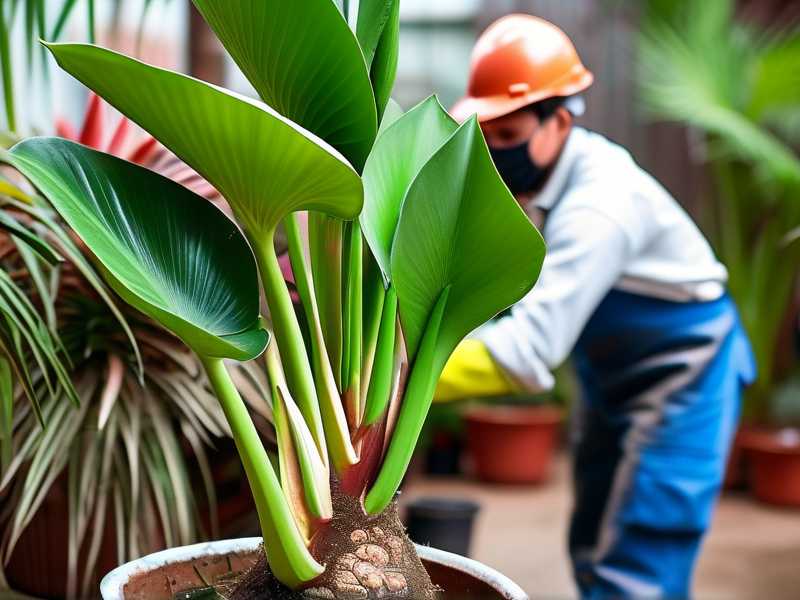
How do I know if my Aglaonema is actively growing?
Look for new leaves. A new leaf unfurling from the crown is the clearest sign. You can also check stem firmness and soil dry-down speed. If the plant is using water quickly, it's growing. If the soil stays wet for over a week, it's slow or dormant.
What's the best time of day to take a cutting?
Morning is ideal. The plant is hydrated and turgid, and the cut surface is less stressed. I take cuttings before I water the plant, so the stem is firm but not dripping. Use a clean, sharp knife or shears, and cut just below a node.
Picking the right time for Aglaonema propagation isn't about luck. It's about watching your plant and respecting its natural rhythm. Late spring and early summer give you the best odds. Avoid the dormant months. And whatever you do, don't overwater. Let the plant tell you when it's ready.





