 bluename
 How to Propagate Aglaonema With Softwood Cuttings
Let me guess — you've got a gorgeous Aglaonema sitting on your shelf, and you've been staring at it thinking, "Can I make more of this without spending $40 at the nursery?" Yes, you absolutely can. I've propagated Aglaonema with softwood cuttings more times than I can count, and honestly, it's one of the most forgiving plants to multiply. The short answer: take a 4–6 inch softwood cutting just below a node, strip the lower leaves, let it callus for a few hours, then root it in water or a light potting mix. Keep it warm, bright, and barely moist. You'll see new roots in about 2 weeks if you don't screw up the basics.
But here's the thing — most people screw up the basics. And I was one of them.
Why Aglaonema Cuttings Fail (And How I Learned the Hard Way)
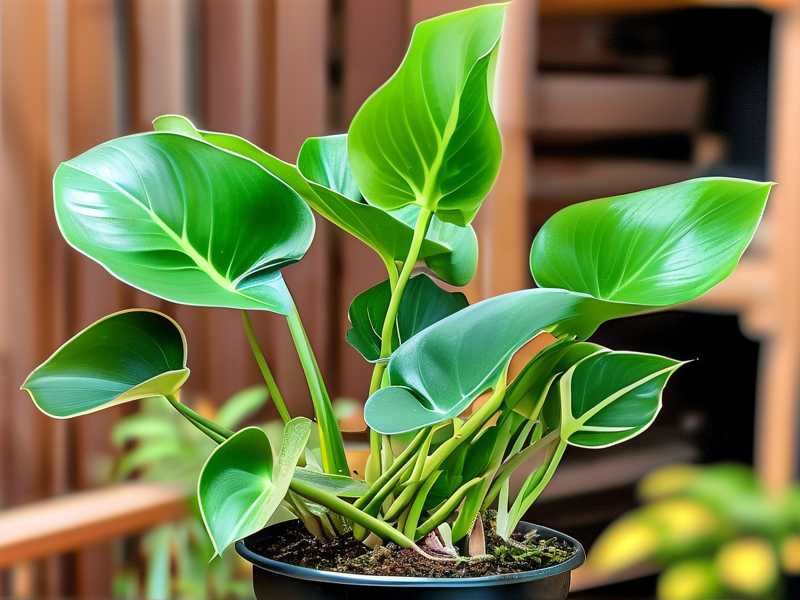
I killed my first three Aglaonema cuttings. Every single one rotted. I couldn't figure out why — I was doing everything "right." Water, check. Bright window, check. Nice pot, check. Turns out I was drowning them and cooking them at the same time. It took me losing a beautiful 'Red Siam' to finally understand what these plants actually want.
A quick reality check before we go further: 90% of indoor plants die from overwatering. That's not a made-up statistic. It's something I've seen repeated by horticulturists and extension agents across the board, and it matches my own experience perfectly. Aglaonema cuttings are no exception.
The RHS notes that Aglaonema — commonly called Chinese evergreen — thrives in warm, humid conditions with indirect light. That's your baseline. Everything below builds on that.
What You'll Need Before You Start
Don't skip this part. Having everything ready means you're not scrambling with a cut stem in one hand and a pair of scissors in the other.
- A healthy mother plant (at least 6–8 inches tall with visible nodes)
- Clean, sharp pruning shears or a sterilized knife
- A small jar of room-temperature water or a 4-inch pot with a light mix (peat + perlite works great)
- A plastic bag or humidity dome (optional but helpful)
- Rooting hormone (optional — I've had success without it, but it speeds things up)
One more thing: pick a morning to do this. I don't know why, but cuttings taken in the morning seem to root faster for me. Maybe it's the higher moisture content in the stems. Could be coincidence. Either way, that's my habit now.
Step-by-Step: How I Propagate Aglaonema With Softwood Cuttings
Step 1: Choose the Right Stem
You want a softwood cutting — that means new growth that's still green and flexible, not woody and brown. Look for a stem that snaps cleanly when bent. If it just bends without breaking, it's too young. If it's hard and woody, it's too old.
I made this mistake early on. I grabbed a thick, old stem because it looked "strong." It never rooted. It just sat there turning yellow for three weeks. Softwood is where the magic happens.
Step 2: Make the Cut
Take your clean shears and cut about ¼ inch below a node. The node is that little bump where a leaf meets the stem. That's where roots will emerge. Your cutting should be 4–6 inches long with at least two or three nodes.
Strip the leaves from the bottom half of the cutting. Any leaves that would sit in water or touch the soil need to go. Otherwise, they'll rot and take your whole cutting down with them.
Step 3: Let It Callus
This is the step most people skip. After cutting, place the stem on a paper towel and let it sit for 2–4 hours. This allows the cut end to dry out and form a callus, which prevents rot.
I used to stick cuttings straight into water. Every single one got mushy at the base. Since I started letting them callus, I haven't lost one to rot. It's a small step that makes a huge difference.
Step 4: Root in Water or Soil
Both work. Here's my honest take:
Water rooting: Easier to monitor, but the roots are more fragile when you transplant. Change the water every 3–4 days. Keep the jar in bright, indirect light. You'll see little white nubs in 10–14 days.
Soil rooting: More stable long-term, but you can't see what's happening. Use a light mix — equal parts peat and perlite. Keep it barely moist. Not wet. Barely moist. I water once when I plant the cutting, then I don't water again until I see new growth.
I personally prefer soil rooting now. I've had better transplant success and fewer root issues. But water rooting is great if you're impatient and want to watch the process.
What I Observed Over 2 Weeks
Here's my actual timeline from my last propagation round with a 'Silver Bay' Aglaonema:
Day 1: Took three cuttings, let them callus for 3 hours, planted in a peat-perlite mix.
Day 3: No visible change. I resisted the urge to water. This is hard.
Day 5: One cutting's leaf started to droop slightly. I almost panicked. I didn't water. By day 7, it perked back up.
Day 8: I gently tugged one cutting. It resisted. That's a good sign — roots are forming.
Day 10: First tiny root visible on the cutting I rooted in water (I did one in water as a comparison).
Day 12: The soil cuttings showed new leaf buds starting to push. That's when I knew they'd made it.
Day 14: All three cuttings had visible root growth (I checked the water one) or new leaf development. I watered for the first time since planting.
The key takeaway? Nothing happens for the first week. Then everything happens in the second week. Patience is not optional.
The 3 Deadly Mistakes New Growers Make
Mistake 1: Overwatering
I've said it once and I'll say it again: 90% of indoor plants die from overwatering. Aglaonema cuttings are especially vulnerable because they don't have established roots yet. Wet soil suffocates them. Damp soil encourages rot. Barely moist soil is what you want.
I lost a beautiful cutting because I "helped" it by watering every other day. It turned to mush in 5 days. Don't be me.
Mistake 2: Wrong Light
Aglaonema is not a full-sun plant. Direct sunlight will scorch the leaves and stress the cutting. But too little light and it won't root.
The sweet spot? Bright, indirect light. A few feet back from a south or east window. Or under a grow light on the lowest setting. I use a simple LED desk lamp about 12 inches away, and it works perfectly.
The AHS recommends filtered light for most tropical houseplants, and Aglaonema is no exception.
Mistake 3: Wrong Pot Size
This one surprised me. I used to think a bigger pot meant more room for roots. Wrong. A cutting in a large pot sits in wet soil that never dries out properly. The roots can't reach the moisture, and the stem rots.
Use a small pot — 3 to 4 inches is plenty. Or even a plastic cup with drainage holes. The pot should be just slightly larger than the root ball. When roots fill it, then you size up.
Long-Tail Tips That Actually Matter
Keep It Warm
Aglaonema hates cold. If your home drops below 65°F at night, your cutting will stall. I keep mine on top of the fridge for extra warmth. Sounds weird, works great.
Humidity Is Your Friend
These are tropical plants. They love humidity. I mist my cuttings once a day, or I put them in a plastic bag with a few holes poked in it. The bag method is like a mini greenhouse. Just open it every couple of days to let fresh air in.
Don't Fertilize
Not until you see new growth. Fertilizer on a rootless cutting is like giving a steak to a baby. It can't handle it. Wait until the cutting has at least two new leaves.
Be Patient With the Process
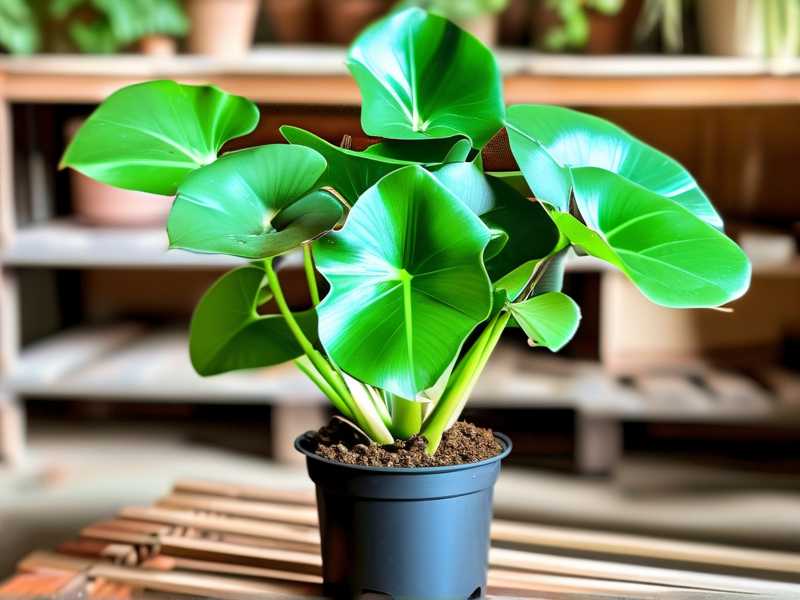
I know it's tempting to pull the cutting out and check for roots. Don't. Every time you do that, you damage the fragile root hairs. I've done it. I've regretted it. Leave it alone.
When to Transplant Your Rooted Cutting
Once your cutting has roots that are 1–2 inches long, it's ready for a slightly larger pot. Use the same light, airy mix. Water it in gently and then treat it like a normal Aglaonema.
Don't fertilize for the first month after transplanting. Let it adjust.
Frequently Asked Questions
Can I propagate Aglaonema in water forever?
You can, but it's not ideal. Water roots are different from soil roots. They're weaker and more prone to damage. I've kept cuttings in water for months, but they never thrived the way soil-rooted ones did. Transplant to soil once roots are 2 inches long.
How long until I see new leaves?
From my experience, 3–4 weeks after rooting. The cutting needs to establish roots first, then it pushes new growth. If you see roots at 2 weeks, expect leaves around week 4 or 5.
What if my cutting turns yellow or mushy?
That's rot. Toss it and start over. Rot spreads fast and there's no saving a mushy stem. Learn from it, adjust your watering, and try again. I've been there. It happens to everyone.
Aglaonema propagation with softwood cuttings is one of the most rewarding things you can do as a houseplant lover. It's not hard, but it does require you to fight your instincts. Don't water too much. Don't put it in direct sun. Don't use a giant pot. And whatever you do, don't pull it out to check for roots every day.
Give it two weeks. Keep it warm. Keep it bright. Keep it barely moist. You'll have new plants before you know it.





