 bluename
 How to Care for Aglaonema in Artificial Light: A Plant Lover's 2-Week Experiment
I used to think my apartment was a plant graveyard. Every corner that didn't get a sliver of direct sunlight became a tomb for another hopeful green friend. Then I discovered the Aglaonema, or Chinese Evergreen. Its stunning, patterned leaves promised resilience, but my darkest room seemed like the ultimate test. Could I really keep an Aglaonema thriving under nothing but artificial light? As an urban dweller with a passion for indoor jungles, I decided to run a controlled, two-week experiment to find the definitive answer. This guide is the result of my hands-on trial, complete with the mistakes I made and the solutions that finally worked.
My journey wasn't just about keeping a plant alive; it was about understanding the science of light and plant physiology. I consulted resources from the Royal Horticultural Society (RHS) on light requirements for foliage plants and cross-referenced with insights from the American Horticultural Society (AHA) on indoor gardening. Their expertise became the backbone of my practical test.
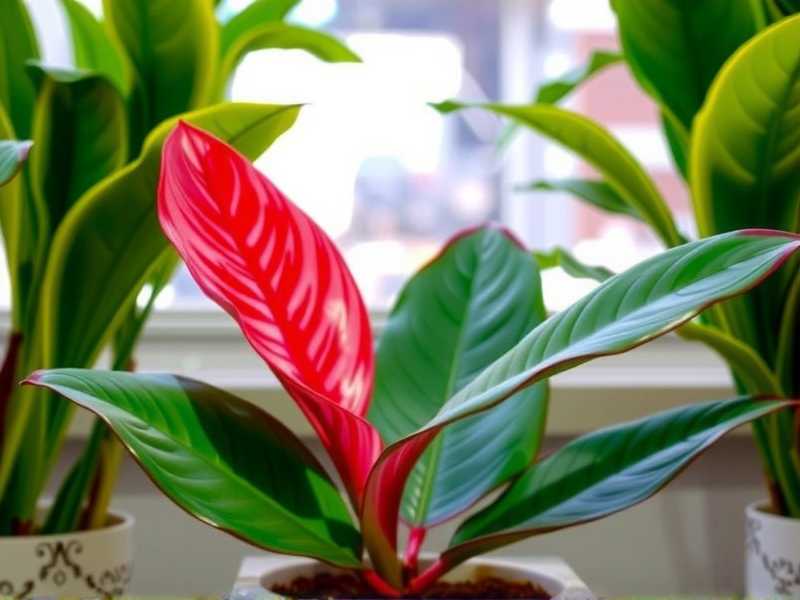
Understanding Aglaonema's Light Language
First, let's ditch the myth. "Low light" doesn't mean "no light." All plants need light for photosynthesis. The Aglaonema is a champion in low, indirect natural light, but artificial light is a different beast. According to the RHS, plants under artificial sources need the right spectrum and sufficient intensity to truly thrive, not just survive.
I learned that for healthy growth, we need to provide two key things: the correct light spectrum and adequate duration. Leaves crave blue light for lush, strong foliage and red light to support overall growth processes. Most standard household bulbs are heavy on yellow and green spectra, which plants use less efficiently.
My Experimental Setup: Choosing the Right Artificial Light
For my experiment, I selected a healthy Silver Bay Aglaonema, known for its tolerance. I placed it in a windowless bathroom, eliminating all natural light variables.
The Contenders:
- Standard LED Room Light: A regular 12W cool-white LED ceiling light.
- Full-Spectrum Grow Light Bulb: A 15W LED bulb designed to mimic sunlight, purchased from a garden center.
- Dedicated Grow Light Strip: A thin, 24W LED strip with adjustable red and blue ratios.
My goal was to observe differences in growth response, color retention, and overall plant vigor over 14 days.
Week 1: Observations and Initial Pitfalls
I started with enthusiasm, placing my Aglaonema under the standard ceiling light for 16 hours a day. I quickly hit my first major problem.
The Problem of Insufficient Intensity: After just four days, I noticed a concerning change. The vibrant, silvery variegation on the new leaves seemed duller. The plant wasn't declining, but it certainly wasn't happy. The RHS guidelines state that light intensity is critical for maintaining variegation; without it, plants can revert to greener foliage or grow leggy as they stretch for light.
The Solution: I introduced the full-spectrum grow light bulb into a desk lamp, positioning it about 12 inches above the plant for 12 hours daily. Within two days, the existing leaves appeared more luminous. This was my first win: using dedicated full-spectrum bulbs is non-negotiable for maintaining that beautiful Aglaonema coloration under artificial conditions.
Week 2: Dialing in the Details and Seeing Results
With the spectrum issue solved, I focused on duration and placement. I switched to the dedicated grow light strip for more even coverage.
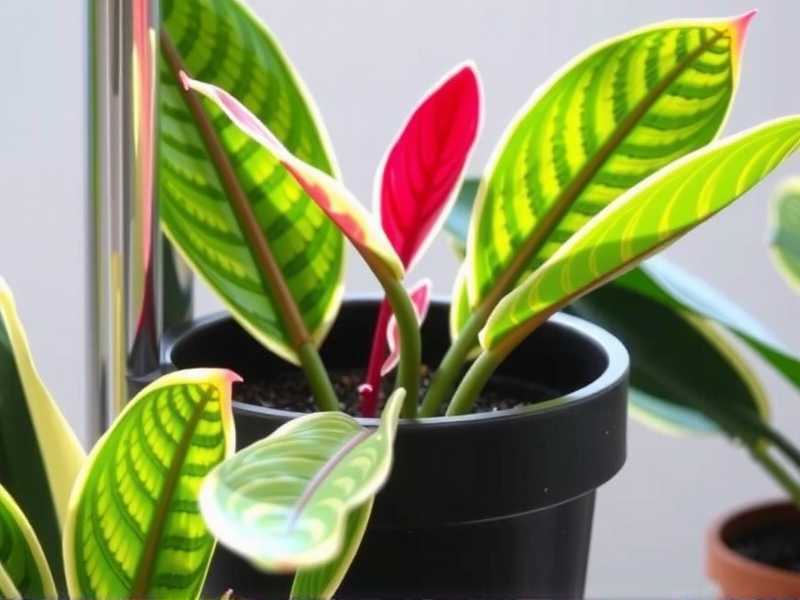
The Problem of Photoperiod Stress: I made the mistake of leaving the lights on for a marathon 18 hours, thinking "more light equals more growth." Wrong. By day 10, the tips of two older leaves showed slight browning. Plants need a dark period for respiration, a cycle known as the photoperiod. The AHA emphasizes that mimicking a natural day-night cycle is crucial for long-term plant health.
The Solution: I installed a simple, cheap timer outlet. I set it for a consistent 14-hour "day" and 10-hour "night." This consistency was a game-changer. The plant settled into a rhythm. By the end of the second week, I witnessed a visible new shoot emerging from the soil—a clear sign of active, healthy growth. The existing leaves were perky, and the colors were sharp.
Your Step-by-Step Guide to Success
Based on my two-week experiment, here is your actionable blueprint.
1. Select Your Light Source Wisely. Forget incandescent or basic LEDs. Invest in a full-spectrum LED grow light. Look for labels mentioning "broad spectrum" or a Kelvin temperature of 5000K-6500K (cool white), which is rich in blue light. For deeper reds (beneficial for some cultivars), a light with a mix of spectra is ideal. The bulb I used was 5000K.
2. Master Distance and Duration. Place your light 12-24 inches above the plant's foliage. Too close risks leaf burn (like my browning tips); too far reduces intensity. Use a timer! A 12-14 hour cycle is perfect for Aglaonema care under lights. Consistency prevents stress.
3. Complement with Proper Care. Artificial light changes other care aspects. Watering slows down compared to a plant in a sunny window. Always check the soil moisture an inch down before watering. I watered only once during the entire two weeks. Fertilize lightly at half-strength during the growing season, as growth under artificial light can be slightly slower.
4. Monitor and Rotate. Be your plant's detective. Leggy stems mean the light is too weak or too far. Washed-out color suggests insufficient intensity. Browning tips could mean light stress or low humidity. Rotate your pot a quarter turn weekly to ensure even growth, as the light source is directional.
Frequently Asked Questions
Will any lamp work if it's bright enough? No. Brightness to our eyes doesn't equate to usable light for photosynthesis. A bright yellow-hued lamp lacks the blue spectrum crucial for foliage development. Always opt for a full-spectrum source designed for plants.
How do I know if my Aglaonema is getting enough artificial light? Look for signs of contentment: steady, compact new growth, firm leaves, and maintained variegation patterns. The clearest sign from my experiment was the emergence of a healthy new shoot in a completely dark room.
Can I use artificial light to supplement a low-natural-light room? Absolutely, and this is a fantastic strategy. In a dim corner, a few hours of supplemental full-spectrum light in the morning or evening can make all the difference for your Aglaonema's health and growth rate. It's how you beat the "dark room" dilemma for good.
The truth is, Aglaonemas are more adaptable than we often credit them for. The key is respecting their needs within an artificial environment. It's not about blasting them with 24/7 light from any source; it's about providing the right quality, quantity, and rhythm. My two-week experiment proved that with a dedicated full-spectrum light and a simple timer, you can cultivate a stunning, healthy Aglaonema anywhere—even in a closet. It liberates your plant placement possibilities and turns those dark, decorative spots into thriving showcases of greenery. Start with one light, observe closely, and adjust. Your Aglaonema will show you the way.





