 bluename
 How to Choose the Best Grow Light for Your Aglaonema: A Plant Lover’s 2-Week Experiment
I’ve killed my fair share of Aglaonemas. Well, not killed outright, but I’ve certainly watched their vibrant leaves fade to a sad, washed-out yellow, seen new growth come in stunted and leggy, and felt the frustration of a beloved plant just… surviving, not thriving. The culprit, more often than not, was light. My apartment is a cave of aesthetic shadows, perfect for my mood but terrible for my Chinese Evergreens. That’s when I decided to stop guessing and start testing. I embarked on a mission to find the best grow light for Aglaonema, not by just reading specs, but by running a real, hands-on experiment with my plants. What followed was two weeks of trial, error, data logging, and finally, clarity.
This guide isn’t just a list of products. It’s the story of my journey, the mistakes I made, the metrics I tracked, and the definitive solution I found. If you’re struggling with slow growth, losing variegation, or just want to give your Aglaonema the perfect boost, walk with me through this process.
Understanding What Your Aglaonema Really Needs
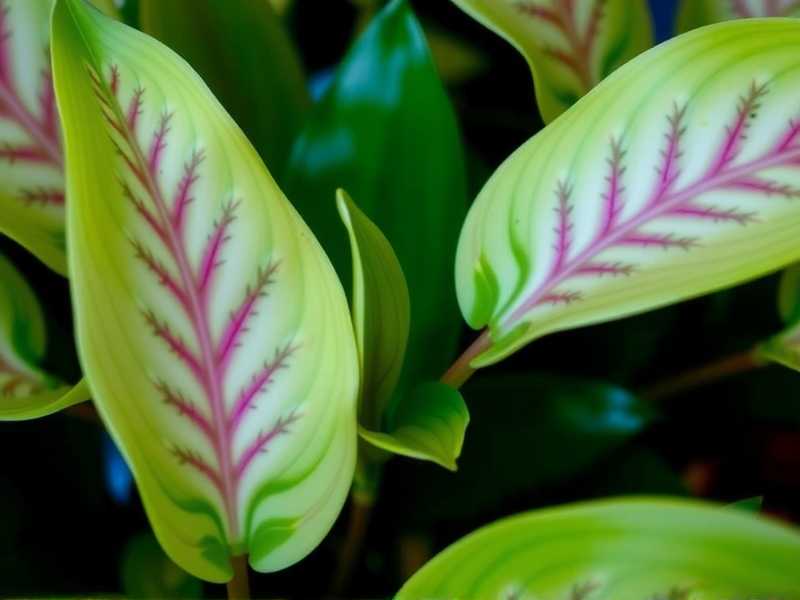
Before buying a single bulb, you have to understand what you’re trying to replicate. Aglaonemas are jungle understory plants. In their natural habitat, according to research often cited by the Royal Horticultural Society (RHS), they receive bright, but filtered or dappled light. They never sit in the harsh, direct tropical sun. This translates to a need for moderate to bright indirect light in our homes.
The key metric for grow lights is PPFD (Photosynthetic Photon Flux Density), which measures the amount of usable light (in micromoles per second) hitting a surface. Dr. Bruce Bugbee of Apogee Instruments, a leading authority in plant lighting, emphasizes that duration and intensity are interchangeable to a point—a lower intensity light can work if left on longer. For low-light plants like Aglaonema, a PPFD of 50-150 µmol/m²/s for 10-12 hours is a great target range. My goal was to hit this sweet spot consistently, in my dark corner.
My 2-Week Grow Light Test: Setup, Mistakes, and Triumph
I selected three different types of affordable, popular grow lights to test on three identical, moderately variegated Aglaonema ‘Silver Bay’ plants that had been languishing in identical low-light conditions. I committed to monitoring them daily for two weeks.
Week 1: The Experiment Begins (And So Do The Problems)
-
Contestant A: The Standard LED Bulb in a Desk Lamp. This was my “cheap and easy” hope. I screwed a full-spectrum LED grow bulb into a regular adjustable desk lamp.
-
The Mistake: I placed it about 18 inches above the plant, thinking that was fine. Within three days, I noticed the leaves directly underneath starting to look slightly bleached. I was frying it! The lamp’s focused beam was too intense.
-
The Fix: I moved the lamp to a staggering 36 inches above the plant and used a timer to limit exposure to 8 hours a day. This immediately stopped the damage. The plant stabilized, but growth was negligible. The light spread was too narrow, only benefiting the central leaves.
-
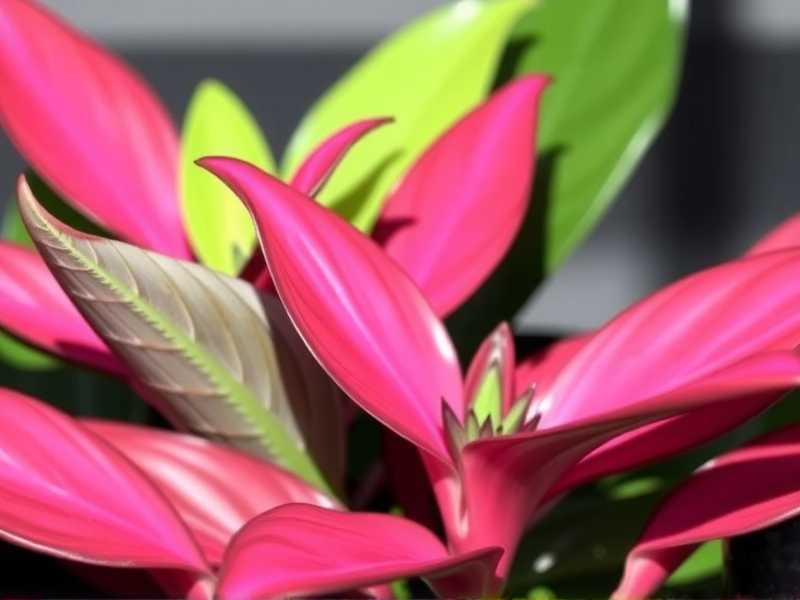
Contestant B: The Clip-On Gooseneck LED Panel. This is the ubiquitous purple-red and blue LED panel on a flexible arm.
-
The Observation: The purple glow was harsh in my living space. More importantly, while the plant seemed fine, the true-color variegation of my Aglaonema was impossible to appreciate. Everything looked Martian. The light felt “artificial” in the worst way. It provided light, but it was a poor fit for a decorative houseplant meant to be enjoyed aesthetically.
-
Contestant C: The Full-Spectrum LED Floor Lamp. This was a floor lamp designed to look like modern furniture, emitting a bright, white, sun-like light.
-
The Immediate Win: My room looked better instantly. The light was pleasant and natural. I placed it about 24 inches away from the plant’s canopy, set the timer for 12 hours, and waited.
Week 2: Observations and Breakthroughs
By the start of the second week, differences became clear.
- Plant A (Bulb): Alive, but unimpressed. No new growth. It was simply maintaining.
- Plant B (Purple Panel): Showing a tiny, tight new leaf sheath. However, the existing leaves looked dull under normal room light. The grow light for indoor plants was working physiologically but failing aesthetically.
- Plant C (Floor Lamp): This was the star. Not only did a new leaf unfurl faster and larger than on the other plants, but the existing variegation—the silvery-green patterns—became more pronounced and vibrant. The plant looked perky, as if it had been moved to a perfect north-facing window.
The critical lesson here was about quality of light for Aglaonema. The full-spectrum white LED provided a balanced light that supported photosynthesis and allowed me to see the plant’s true beauty. It met both the plant’s needs and my human desire to enjoy its appearance.
How to Choose Your Perfect Aglaonema Grow Light: A Step-by-Step Framework
Based on my experiment and subsequent deep dive, here is your actionable checklist.
1. Prioritize Light Spectrum: Go Full-Spectrum White For decorative foliage plants, this is non-negotiable. White LEDs (often labeled “full-spectrum” or “daylight,” around 5000K-6500K color temperature) mimic the sun. They promote healthy growth without the alien purple hue. The American Horticultural Society (AHS) notes that full-spectrum lighting supports overall plant health and natural appearance, which is crucial for enjoying houseplants.
2. Get the Intensity (PPFD) and Placement Right Don’t guess. Use a free light meter app on your phone (like Photone) to get a rough estimate. Aim for that 50-150 PPFD range. My successful setup measured ~100 PPFD at the leaf surface.
- Distance is Key: Start with the light 18-24 inches away for panel lights, 12-18 inches for stronger bulbs. Observe for a week. Signs of too much light (bleaching, brown crispy tips) mean move it farther. Signs of too little (no growth, continued fading) mean move it closer or get a stronger light.
3. Choose the Right Fixture Type for Your Space
- Bulbs: Great for targeted, single-plant use. You must pair them with a suitable lamp and get the distance right.
- Clip-On Panels: Good for shelves or single pots. Opt for white-light panels now widely available.
- Floor or Shelf Lamps: Ideal for lighting a group of plants or a larger specimen. They blend into home decor.
- T5 or LED Tubes: Perfect for shelving units or grow cabinets where you want even coverage across multiple plants.
4. Automate with a Timer Consistency is everything. A 10-12 hour daily photoperiod mimics a natural day. A simple outlet timer protects against human forgetfulness and gives your plant a stable routine.
5. Consider Your Plant’s Variegation A key long-tail keyword here is grow light for variegated Aglaonema. Remember, more variegation means less chlorophyll. A highly variegated Aglaonema ‘White Lance’ will need slightly brighter light than a deep green Aglaonema ‘Maria’ to fuel its growth at the same rate. Factor this in when positioning your lights.
Common Questions from Fellow Plant Enthusiasts
Can I use a regular LED light bulb as a grow light for my Aglaonema? Yes, but with major caveats. A bright white “daylight” LED can work if it’s strong enough and placed close enough. However, regular bulbs are not optimized for plant spectrum output. They may lack certain red and blue wavelengths plants use efficiently. It’s a budget-friendly start, but a dedicated full-spectrum grow light will always yield better, faster results.
How long should I leave the grow light on each day? I found 10-12 hours to be the perfect range. This provides ample “day” for photosynthesis and a long, restful “night” for the plant’s respiratory processes. I use a timer set from 8 AM to 8 PM. Never run them 24/7—plants need a dark period just as much as they need light.
My Aglaonema is still not growing with a grow light. What am I doing wrong? Light is only one part of the equation. During my test, I kept watering and fertilization identical and minimal. If your plant has sufficient light but is stagnant, double-check:
- Watering: Are you letting the top few inches of soil dry out? Overwatering in low light is a common killer. With better light, water uptake may increase slightly.
- Nutrients: A gentle, balanced fertilizer during the growing season can help support new growth spurred by the improved light.
- Light Intensity/Distance: Re-measure your PPFD. You might simply need a stronger fixture or need to move your current light significantly closer.
Finding the best plant light for Chinese Evergreen transformed my indoor jungle. It took the stress out of finding the “perfect” window and let me place plants where they brought me joy, not just where the sun happened to fall. The two-week experiment was a revelation—it moved me from theory to practice. By focusing on a full-spectrum, white light source, nailing the intensity and duration, and choosing a fixture that suits your space, you can stop worrying about your Aglaonema merely surviving. You can give it the tools to truly, vibrantly thrive, no matter how dark your home is. The new, robust leaves on my test plant are proof.





