 bluename
 How to Care for Aglaonema in Temperate Zones: A Plant Lover’s 2-Week Journey
I used to think my Aglaonema, or Chinese Evergreen, was indestructible. That was until I moved to a temperate zone. Suddenly, my lush, vibrant plant started looking sad. Its leaves lost their shine, edges turned brown, and new growth seemed like a distant dream. The struggle was real. If you’re facing droopy leaves, stunted growth, or just sheer confusion about keeping this tropical beauty happy away from the tropics, you’re not alone. I’ve been there. This guide is born from my own two-week experiment to crack the code on how to care for Aglaonema in temperate zones, sharing every step, observation, and lesson learned.
Understanding Your Aglaonema’s New World
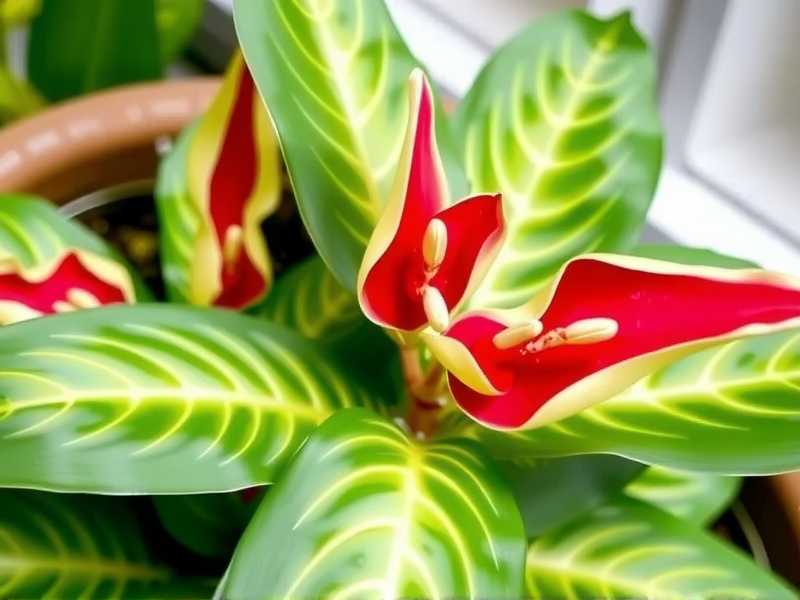
First, let’s define the challenge. Temperate zones mean distinct seasons—warm summers and, crucially, cold, often dark winters with dry indoor air from heating systems. This is the opposite of the Aglaonema’s native humid, consistently warm rainforest understory. Our job isn’t to replicate a rainforest but to bridge the gap. According to the Royal Horticultural Society (RHS), Aglaonemas thrive in stable, warm environments and are highly sensitive to cold drafts and soggy, cold soil. This became the cornerstone of my approach.
My 2-Week Aglaonema Care Protocol
I chose a ‘Silver Bay’ Aglaonema that was healthy but had stopped growing. For two weeks, I monitored and adjusted these key aspects, documenting changes every other day.
Week 1: Foundation and Adjustment
Finding the Perfect Spot for Light and Warmth Light is the first puzzle. Too much direct sun burns leaves; too little causes leggy growth. I placed my plant about 2 meters from a large east-facing window. This provided bright, indirect light for the morning hours, avoiding the harsh afternoon sun. Crucially, I moved it away from the radiator and the drafty window pane. The American Horticultural Society (AHS) emphasizes that temperatures between 65°F (18°C) and 80°F (27°C) are ideal, and nothing below 60°F (15°C). I kept a digital thermometer nearby. The spot averaged a steady 70°F (21°C).
Observation (Day 3): No dramatic change, but the plant seemed less “stressed.” The leaves appeared more relaxed, not as curled at the very edges.
Mastering the Watering Rhythm This was my biggest past mistake. Overwatering in cool conditions is a death sentence. I adopted the “finger test,” inserting my finger up to the second knuckle into the soil. I watered only when it felt completely dry. I used room-temperature water—never cold—to avoid shocking the roots. I ensured the pot had excellent drainage and never let it sit in a saucer of water.
Observation (Day 5): The soil was still slightly moist from the initial watering. The previous slight yellowing on one lower leaf had not progressed. A good sign.
Boosting Humidity the Right Way Dry winter air causes brown, crispy leaf tips. Instead of misting (which can invite fungal issues if overdone), I placed the pot on a pebble tray filled with water. As the water evaporates, it creates a localized humid microclimate. I also grouped it with a few other plants, which collectively raise humidity through transpiration.
Observation (Day 7): The most noticeable early win! The newest leaf, which had been slightly brittle, now felt suppler. No new brown tips had appeared.
Week 2: Refinement and Signs of Life
The First Careful Feeding Aglaonemas are not heavy feeders, especially in lower light. In week two, I gave it a very diluted dose of balanced, water-soluble houseplant fertilizer (about half the recommended strength). Feeding in winter is generally discouraged, but my home was consistently warm, and the plant was in active, if slow, mode. The RHS advises feeding sparingly during the growing season, which indoors can be year-round if conditions are right.
Observation (Day 10): A subtle but exciting change. The deep green color of the leaves seemed richer. The variegated silver patterns appeared more defined against the green.
Leaf Care and Pest Vigilance I gently wiped the large leaves with a damp, soft cloth. This removed dust, allowing the plant to breathe and photosynthesize efficiently. I inspected the undersides and stems thoroughly for pests like spider mites, which love dry air. I found none—a testament to the improved humidity.
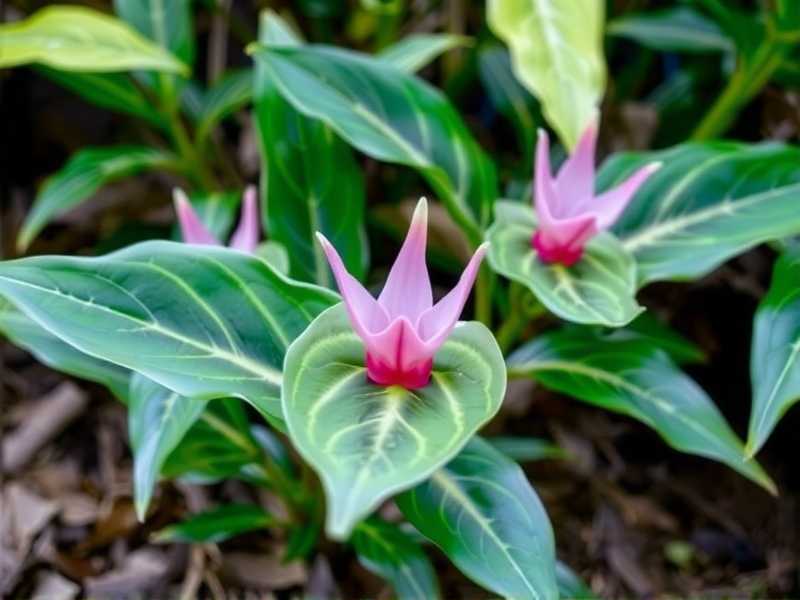
Observation (Day 12): The plant had a overall “cleaner” and healthier glow. The leaves reflected light beautifully.
The Moment of Truth: New Growth I was patiently looking for the ultimate sign of success.
Observation (Day 14): There it was! From the very center of the plant, I spotted a tightly furled, light green spear poking out—a brand new leaf. This was the undeniable confirmation that my Aglaonema care routine for cooler climates was working.
The Pitfalls I Encountered (And How I Fixed Them)
My journey wasn’t flawless. Here’s where I stumbled:
- The Radiator Mistake: Initially, I had the plant on a shelf above a radiator for “warmth.” The hot, dry air was devastating. The leaves began to curl and dry out rapidly within two days. Solution: I moved it immediately to the draft-free, steady-temperature spot described earlier. Recovery began within a week.
- Overzealous Watering: Early on, I watered on a schedule. One time, the soil was still damp, and the room was cooler. The plant’s growth stalled, and the soil developed a slight musty smell. Solution: I stopped watering immediately, placed the pot in a warmer, brighter area to help dry the soil, and permanently switched to the “finger test” method. This is absolutely critical for growing Aglaonema in non-tropical climates.
- Ignoring Leaf Hygiene: Dusty leaves weren’t just ugly; they were harmful. I noticed one leaf developing a pale patch. Solution: Regular, gentle cleaning became part of my weekly check-in. The plant’s ability to process light visibly improved.
Sustaining Your Aglaonema Through the Seasons
This two-week protocol is a foundation. For long-term health, remember:
- Spring/Summer: You can water a bit more frequently as growth accelerates. Fertilize monthly at half-strength.
- Fall/Winter: Reduce watering significantly. Hold off on fertilizer unless growth is evident. Maximize light exposure as days shorten.
- Repotting: Do this only in spring or early summer, and only when truly root-bound. Aglaonemas like being slightly snug in their pots.
My Aglaonema’s leaves are turning yellow. What does this mean? Yellow leaves are the classic distress signal, most often from overwatering, especially in cooler temperatures. Check your soil immediately. If it’s soggy, let it dry out thoroughly. Ensure the pot drains and you’re not leaving it in standing water. Less commonly, it can be due to extreme under-watering, cold drafts, or a need for fertilizer (if the yellowing is on older leaves and growth is slow).
Can I put my Aglaonema outside in the summer? You can, but with extreme caution. Move it to a fully shaded, sheltered patio or under a dense tree. Never expose it to direct sun, which will scorch the leaves. Always bring it back inside well before nighttime temperatures dip below 60°F (15°C). Acclimate it gradually over a week to avoid shock.
Why are the tips of my plant’s leaves brown and crispy? This is almost exclusively a low humidity issue. The dry air in heated temperate-zone homes pulls moisture from the leaf edges. Increase humidity around the plant using a pebble tray, a room humidifier, or by grouping plants together. Also, ensure you are watering adequately (but not excessively) with room-temperature water.
Seeing that new leaf unfurl after two weeks of focused care was immensely rewarding. Success with Aglaonema in temperate zones boils down to mimicking stability: stable warmth away from drafts, stable hydration based on soil feel, and stable humidity. It’s not about coddling the plant, but about understanding and compensating for what our indoor climate lacks. By observing closely and adjusting these core elements—light, water, temperature, and humidity—you can turn your home into a welcoming haven for these stunning, resilient plants. The vibrant, patterned foliage of a happy Aglaonema is more than worth the attentive care.





