 bluename
 How to Care for Aglaonema in Tropical Settings: A Plant Lover’s Real-World Guide
If you live in the tropics and think caring for an Aglaonema, or Chinese Evergreen, should be a breeze, I was right there with you. I assumed the warm, humid air would make it the easiest plant on my shelf. But after watching several leaves turn yellow, develop crispy edges, or simply give up, I realized tropical settings present unique, often overlooked challenges. The intense humidity, relentless rainfall, and powerful sunlight that define our environment can actually work against this popular houseplant if we’re not careful. Through trial, error, and a dedicated two-week observation period, I’ve dialed in a care routine that truly works. This guide isn’t just theory; it’s my personal journey of learning how to care for Aglaonema in tropical settings, complete with the mistakes I made and the simple fixes that brought my plants back to vibrant health.
Understanding Your Tropical Aglaonema’s Needs
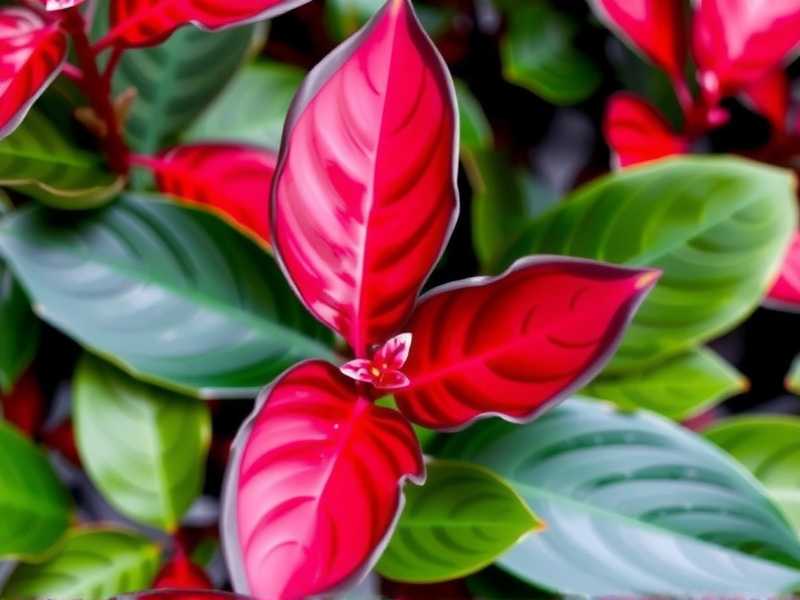
First, let’s reframe our thinking. While Aglaonemas originate from the subtropical forests of Asia, the controlled, dappled light and consistent moisture of a forest floor are very different from a tropical balcony exposed to monsoon rains and blazing sun. Our goal isn’t to replicate a temperate climate but to adapt our care to protect the plant from too much of a good thing. According to the American Horticultural Society (AHS), even tropical-adapted foliage plants can suffer from “environmental overload” when natural elements like rain and sun are unfiltered. My journey confirmed this. My initial mistake was treating my Aglaonema like any other outdoor tropical plant, which led directly to my first major pitfall.
The Critical Balance: Light and Placement
My biggest “aha!” moment came from messing up light exposure. I placed a beautiful ‘Silver Bay’ Aglaonema on a covered patio, thinking the roof was enough protection. It wasn’t.
- The Problem (My Mistake): I confused “bright indirect light” with “shade.” The tropical morning sun, even for just an hour, was too intense through the humid air. Within a week, the gorgeous silvery-green leaves started to look washed out, and some developed pale, scorched patches. The plant wasn’t dying, but it was clearly stressed.
- The Solution & 2-Week Observation: I moved it indoors to a spot about 2 meters from a large, east-facing window with a sheer curtain. I also tried one in a well-lit, north-facing bathroom (no direct sun). For two weeks, I tracked leaf color and new growth.
- The Result: The washed-out leaves on the original plant didn’t recover their deep color, but no new damage appeared. A tiny new spear of a leaf, which had been stalled, began to unfurl steadily. The plant in the humid bathroom thrived, showing a deeper green hue and putting out two new leaves. The Royal Horticultural Society (RHS) advises that variegated types, like my ‘Silver Bay’, actually need brighter indirect light to maintain their patterns, but direct tropical sun will bleach them. Finding that sweet spot of bright, filtered light indoors is the key. A north or east-facing window, or a spot deep in a shaded, airy porch, is perfect.
Mastering Watering in a Humid Climate
This was my second challenge. With 80-90% ambient humidity, I figured I could barely water. Then, I overcorrected.
- The Problem (My Mistake): I let the plant dry out completely, assuming the air moisture was enough. The leaves became limp and the lower ones yellowed. In a panic, I then overwatered it, leaving the pot sitting in a saucer of water. This combo stressed the roots.
- The Solution & 2-Week Observation: I adopted the “finger test” but with a tropical twist. I stuck my finger 2 inches into the soil. In our climate, the top inch might feel damp from humidity, but the deeper soil can be dry. I watered only when that second inch felt dry. Crucially, I ensured every pot had excellent drainage and was never left standing in water. For two weeks, I watered only twice.
- The Result: The limpness vanished within days of a proper, deep watering that allowed free drainage. The yellowing stopped. I learned that while humidity reduces watering frequency, the watering technique for Aglaonema must be thorough yet infrequent. The goal is to mimic a tropical downpour followed by perfect drainage, not constant dampness.
Soil and Potting: The Foundation of Health
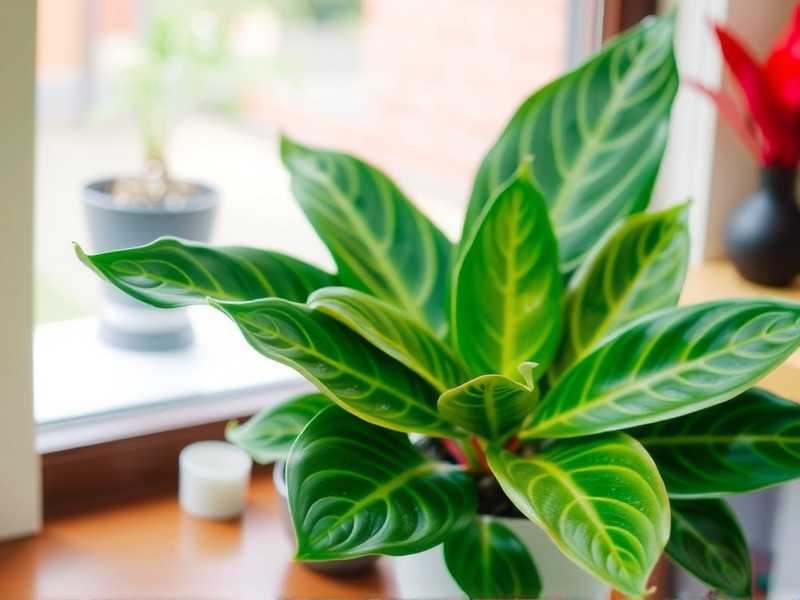
Tropical rains taught me this lesson brutally. I used a standard, moisture-retentive potting mix, and a heavy downpour completely waterlogged my outdoor pot.
- The Problem (My Mistake): Dense soil + tropical downpour = soggy, oxygen-starved roots. The plant’s growth halted.
- The Solution: I repotted using a chunky, airy mix. My recipe: 50% high-quality potting soil, 30% orchid bark (for aeration), and 20% perlite. This mix, recommended by many experts for aroid plants, allows water to flow through rapidly while retaining just enough moisture.
- The Result: After repotting and resuming the correct watering schedule, the plant’s vigor returned in under two weeks. New root tips were visible at the drainage holes. This well-draining soil mix for tropical plants is non-negotiable here.
Managing Humidity and Airflow
Paradoxically, while our air is humid, air conditioning indoors can create localized dry spots. Furthermore, stagnant, humid air invites pests.
- The Problem (My Mistake): I placed a plant in an air-conditioned room right in the airflow path. The leaf tips began to brown. Another plant in a humid but still corner developed a few mealybugs.
- The Solution: For AC rooms, I grouped plants together to create a microclimate of higher humidity and moved them away from direct vents. For airflow, I simply ensured a fan was on low in the room periodically, not directly blowing on the plants. A gentle breeze mimics the natural air movement of a forest.
- The Result: The browning tips ceased on new growth. The improved air circulation made the mealybugs easy to control with a dab of isopropyl alcohol. The plants looked overall fresher.
Feeding and Long-Term Maintenance
In the tropics, plants can grow year-round, but they aren’t always in active growth. I used to feed lightly every month, which sometimes led to salt buildup.
- My Adjusted Routine: I now use a balanced, liquid fertilizer diluted to half the recommended strength, and only during the brighter, sunnier months (roughly April-September here). I “flush” the soil every 3-4 months by running plenty of water through the pot to leach out excess salts, a practice supported by the AHS to prevent fertilizer burn.
- Observation: My Aglaonemas now put out steady, robust growth without the weak, leggy stems or brown-edged leaves that can indicate overfeeding.
Common Problems and Quick Fixes from My Experience
- Yellow Leaves: Usually overwatering or poor drainage. Check your soil mix and watering frequency.
- Brown, Crispy Leaf Edges: Often from dry air (like AC drafts) or, counterintuitively, from salt buildup from fertilizer or mineral-heavy water. Use rainwater or filtered water if possible, and flush the soil.
- Leggy, Stretched Growth: The plant is reaching for more light. Move it to a brighter (but still indirect) location.
- Pests (Mealybugs, Spider Mites): Wipe leaves regularly with a damp cloth to deter them. Isolate any infested plant immediately. A neem oil solution is an effective, natural treatment I’ve used successfully.
Frequently Asked Questions
My Aglaonema leaves are losing their variegation and turning mostly green. What’s wrong? This is almost always a sign of too little light. The plant is producing more chlorophyll to compensate. While they are shade-tolerant, variegated types need bright, indirect light indoors to keep their beautiful patterns. Move it gradually to a brighter spot.
Can I keep my Aglaonema outside in the tropics year-round? You can, but location is everything. It must be in a spot of deep, full shade—think under a dense tree canopy or on a covered balcony that never gets direct sun. It must also be sheltered from heavy monsoon rains which will waterlog the soil. An indoor spot is often safer and more controlled.
How often should I really water in a humid climate? Throw away the calendar. The frequency depends on your specific indoor/outdoor conditions, pot size, and soil. Always use the finger test. In high humidity, you might only need to water every 10-14 days indoors. The key is the watering technique for Aglaonema: water deeply until it runs out the bottom, then let the soil approach dryness before the next drink.
Caring for Aglaonema in the tropics is about becoming a mindful moderator of your environment. It’s not about fighting the humidity or heat, but about shielding the plant from their most extreme expressions. By providing bright but filtered light, a fiercely well-draining potting mix, and watering based on soil feel rather than a schedule, you allow this resilient plant to thrive. My two-week experiments with placement, watering, and soil were transformative. The plants that once struggled are now among my most reliable and lush. Remember, observe your plant—it will tell you what it needs. Start with these adjustments, and you’ll likely see a marked improvement in just a few weeks, turning potential frustration into the joy of a thriving tropical Aglaonema.





