 bluename
 How to Choose the Best Pesticide for Aglaonema Pests: A Plant Parent’s Guide to Winning the Battle
There’s nothing more disheartening than noticing your beautiful, vibrant Aglaonema—your Chinese Evergreen, that resilient office favorite—suddenly looking sad. You see the telltale signs: sticky residue on the leaves, tiny webs in the crevices, or clusters of white, cottony fluff. Panic sets in. You search online, only to be bombarded with dozens of product names, conflicting advice, and horror stories about chemical burns. How do you choose the best pesticide for Aglaonema pests without harming the very plant you’re trying to save? I’ve been there, and after many trials, errors, and a two-week intensive rescue mission, I’ve learned that the “best” choice isn’t a single product, but a strategic process.
The key to effective Aglaonema pest control lies in correct identification, understanding treatment options, and meticulous follow-through. This guide will walk you through my exact steps, from diagnosis to a pest-free plant, including the mistakes I made along the way and how you can avoid them.
Identifying the Common Culprits on Your Aglaonema
Before you even think about reaching for a spray bottle, you must play detective. Using the wrong treatment is ineffective and wastes precious time, allowing infestations to worsen. Here are the primary suspects:
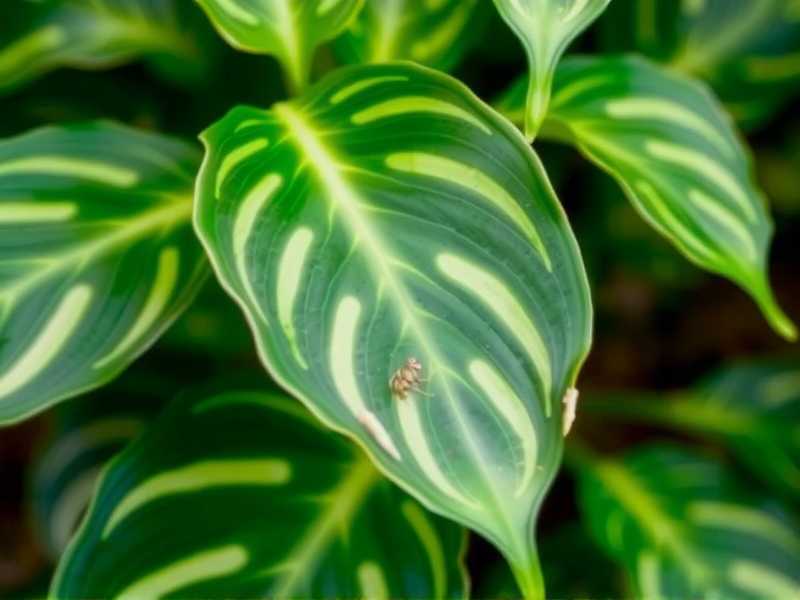
Spider Mites: These are nearly invisible pests, but their damage is not. Look for fine, silky webbing, especially under leaves and where the leaf meets the stem. Leaves may appear stippled with tiny yellow dots and can become dull or bronzed. A light misting of water can make the webs more visible.
Mealybugs: My personal nemesis. These pests look like small bits of white cotton or fluff hiding in leaf axils, under leaves, and along stems. They suck sap and excrete sticky honeydew, which can lead to sooty mold.
Scale: These can be hard or soft-shelled bumps that seem attached to stems and the undersides of leaves. They don’t look like typical moving insects and are often mistaken for part of the plant.
Aphids: Less common but possible, these small, pear-shaped insects cluster on new growth and undersides of leaves, also producing honeydew.
For my plant, the problem was a dual infestation: a colony of mealybugs had set up camp in a new leaf’s sheath, and I later discovered the subtle stippling of spider mites on the older foliage. This complicated my approach to finding the best pesticide for Aglaonema pests, as I needed a strategy effective against both.
My Step-by-Step Treatment Protocol and 2-Week Observation Log
Armed with identification, I developed a multi-pronged attack. I chose to start with the least toxic option and escalate only if necessary, a principle supported by integrated pest management (IPM) strategies often cited by horticultural extensions like the RHS (Royal Horticultural Society).
Week 1: The Initial Assault (Days 1-3)
- Immediate Isolation: The first and most critical step. I moved my affected Aglaonema away from all other houseplants to prevent the pests from spreading.
- Physical Removal: For the mealybugs, I dipped a cotton swab in 70% isopropyl alcohol and dabbed every single white mass I could find. This dissolves their waxy coating on contact. It’s tedious but crucial. For spider mites, I took the plant to the shower and gave the foliage a thorough, gentle rinse with lukewarm water, focusing on leaf undersides to dislodge mites and eggs.
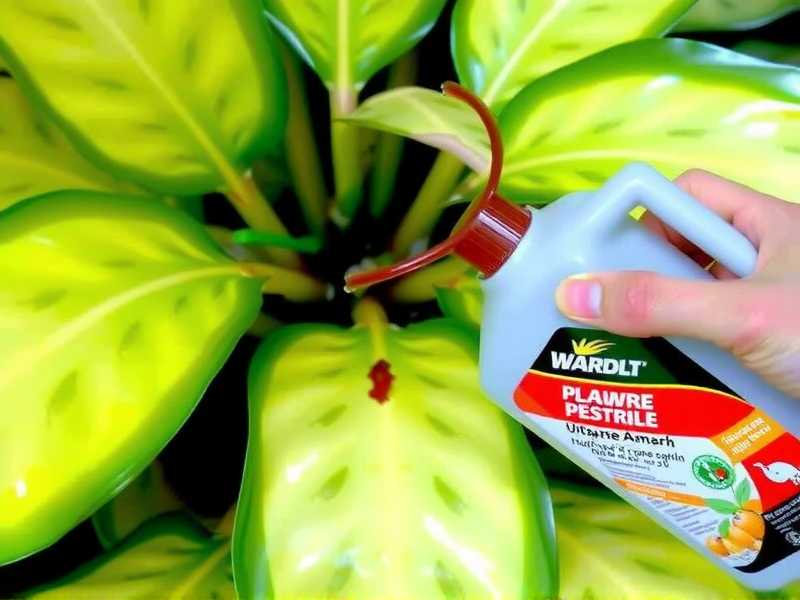
- First Application - Insecticidal Soap: After the plant dried, I applied a ready-to-use insecticidal soap spray, thoroughly coating every inch of the plant, especially the undersides of leaves and stems. Insecticidal soap works by breaking down the pests’ outer layer and is considered a low-toxicity option. The AHSA (American Horticultural Society Alliance) notes it’s effective against soft-bodied pests like mealybugs and mites when coverage is complete.
- Environmental Adjustment: Spider mites thrive in dry, dusty conditions. I placed the plant on a pebble tray with water to increase local humidity and ensured it was not in a direct draft from a heating vent.
The First Setback and Solution (Day 4)
On Day 4, I noticed some leaves, particularly one that was slightly stressed before treatment, had developed yellow, blotchy patches. I had made a classic error: I applied the soap spray in bright, direct afternoon light, which can cause phytotoxicity (chemical burn). The fix: I moved the plant to a shadier recovery spot immediately. For future applications, I committed to treating the plant in the early evening or on a cloudy day.
Week 1: Follow-Up (Days 5-7)
I repeated the insecticidal soap application on Day 7, as directed on the label for breaking the pest life cycle. This time, I applied it at dusk. No further leaf damage occurred. Visually, the mealybugs were gone, but the spider mite stippling seemed to have paused, not improved dramatically.
Week 2: Escalation and Victory (Days 8-14)
Seeing only partial success against the mites, I decided to escalate. I needed a pesticide that offered longer residual control.
- Choosing a Miticide/Insecticide: I selected a product containing horticultural oil (neem oil is a common type). This is a fantastic organic option for persistent Aglaonema pest control. It works by smothering pests and their eggs and has some systemic properties. Crucially, I confirmed my Aglaonema was not a sensitive variety (like some very thin-leaved plants) by testing the oil on a single, small leaf first and waiting 48 hours.
- Application: Following the dilution instructions meticulously, I sprayed the plant until it dripped, again focusing on leaf undersides. The oil gives the leaves a slight shine.
- Observation: Over the next week, I inspected the plant every other day with a magnifying glass. No new webbing appeared. The existing stippling damage remained (this does not heal), but no new yellow dots formed on green tissue. The plant showed signs of new root growth when I gently checked the soil moisture.
Post-Treatment: The Road to Recovery
After the second horticultural oil application on Day 14, I declared the active infestation over. The key now was vigilance. I kept the plant in isolation for another two weeks, inspecting it twice weekly. I resumed fertilizing with a half-strength balanced fertilizer to support new growth, as the plant had been under significant stress.
How to Select Your Own Best Pesticide for Aglaonema Pest Control
Based on my experience and research, here is your decision framework:
- For Light Infestations or as a First Strike: Start with Insecticidal Soaps or Horticultural Oils. They are low-toxicity, effective against many common pests, and have a good safety profile for indoor use. Neem oil, in particular, is a renowned organic solution for treating Aglaonema pests.
- For Persistent or Heavy Infestations: You may need a systemic insecticide. These are granules or liquids added to the soil. The plant absorbs the active ingredient, making its sap toxic to sucking pests. This is incredibly effective for hard-to-reach pests like scale or recurring mealybugs. Always use these as a last resort indoors and follow label precautions exactly.
- The Non-Negotiables (The "Pitfalls" to Avoid):
- Always Read the Label: It’s the law. It tells you if it’s safe for Aglaonema (often listed as ornamental plants), the correct dilution, and application frequency.
- Test First: Apply any product to a small, inconspicuous leaf section and wait 48 hours for signs of damage.
- Treat in Appropriate Conditions: Never in direct sun, extreme heat, or when the plant is water-stressed.
- Persistence is Key: One treatment rarely works. Most products must be reapplied at 7-10 day intervals to kill newly hatched nymphs that survived the first round.
What is the safest pesticide to use on my Aglaonema indoors? For indoor safety around pets and people, insecticidal soaps and horticultural oils (like neem oil) are generally the safest starting points. Ensure good ventilation during application and keep treated plants out of reach until dry.
Can I use homemade sprays like dish soap and water? I caution against this. Dish detergents are designed to cut grease and can severely strip the protective cuticle from your Aglaonema’s leaves, causing more harm than good. Commercial insecticidal soaps are specially formulated potassium salts of fatty acids that are far less phytotoxic.
My Aglaonema’s leaves are yellowing after treatment. What did I do wrong? Yellowing can be caused by chemical burn (applying in bright light or using too high a concentration), root damage from overwatering during stress, or simply the plant shedding older leaves due to the pest stress itself. Review your application conditions, ensure you followed dilution rates, and check that the soil is draining properly. Isolate the cause before treating again.
Winning the war against Aglaonema pests is a test of patience and observation. There is no single magic bottle, but a thoughtful process of identification, appropriate product selection, and consistent, careful application. By starting with gentler methods like insecticidal soap, escalating carefully to horticultural oils, and always prioritizing the plant’s recovery environment, you can save your beloved Chinese Evergreen. Remember, the goal is not just to eliminate pests today, but to cultivate a healthier plant that is more resistant to problems tomorrow. Keep a close eye on your plant, learn from any missteps, and enjoy the lush, pest-free beauty of your Aglaonema for years to come.





