 bluename
 How to Fix Aglaonema Viral Infection Symptoms: A Plant Lover's Recovery Guide
There's a special kind of heartbreak that comes from watching a beloved Aglaonema slowly decline. You’ve provided the right light, been careful with watering, and yet, those strange, streaky yellow patterns, twisted new growth, and overall stunting appear. If this sounds familiar, you might be facing the daunting challenge of an Aglaonema viral infection. I know that panic and helplessness firsthand. After acquiring a stunning Aglaonema ‘Silver Bay’ that later showed these exact viral infection symptoms, I embarked on a meticulous, two-week rescue mission. What I learned wasn't just about saving one plant; it was about protecting my entire collection. This guide is my firsthand account of how to fix Aglaonema viral infection symptoms, combining practical steps with hard-earned lessons.
Understanding the Enemy: Identifying Viral Symptoms in Aglaonema
Before you can fix a problem, you must be sure of what you're dealing with. Bacterial and fungal issues often have treatments, but viruses are a different beast. My ‘Silver Bay’ presented a textbook case, which I later cross-referenced with resources from the American Horticultural Society (AHS), which notes that viral diseases in ornamentals are often systemic and incurable.
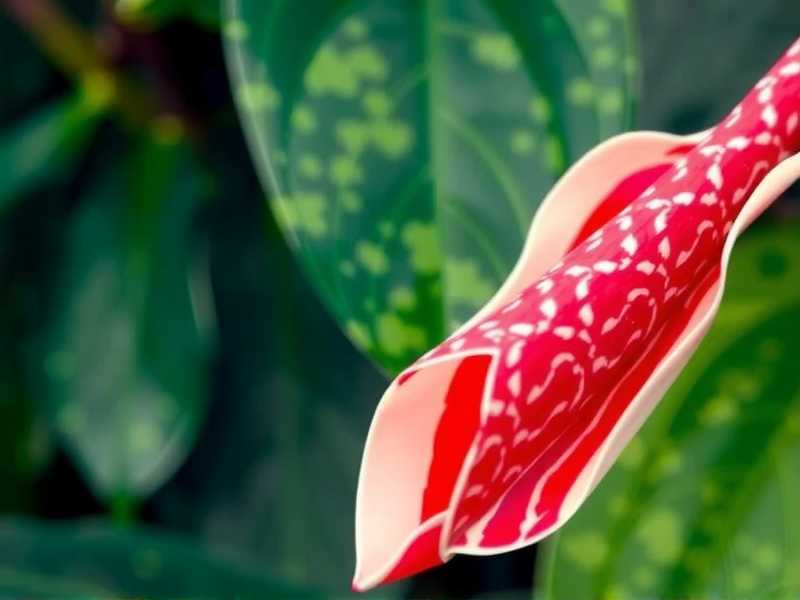
The key signs I observed were:
- Mosaic Patterning and Chlorosis: Irregular, light green, or yellow streaks and patches on the leaves, creating a mosaic or marbled effect. This wasn't uniform yellowing from overwatering; it was chaotic and splotchy.
- Leaf Distortion and Stunting: New leaves emerged twisted, cupped, or significantly smaller than they should be. Growth had virtually halted.
- Necrotic Spots and Streaks: In advanced stages, some yellow areas began to turn brown and crispy (necrotic).
It's crucial to distinguish this from nutrient deficiencies or pest damage. A deficiency is often more symmetrical, while pest damage like spider mites shows webbing or tiny moving dots. The distortion and mosaic pattern were my biggest viral red flags.
The First Critical Step: Isolation and Diagnosis
The moment I confirmed my suspicions, I sprang into action. Controlling Aglaonema plant virus spread is the single most important first step.
- Immediate Quarantine: I moved the affected plant to a separate room, away from all my other houseplants. I treated this room as a "hot zone."
- Tool Sanitation: I dedicated a specific set of tools (pruners, stakes) for this plant only. According to best practices echoed by plant pathologists, you should disinfect tools with a 10% bleach solution or 70% isopropyl alcohol between every single cut when dealing with a suspected virus. I became religious about this.
- Hand Washing: I made it a habit to wash my hands thoroughly after touching the infected plant before tending to any other.
I did not try any broad-spectrum fungicides or bactericides, as they have no effect on viruses. My goal shifted from "cure" to "manage and prevent catastrophe."
My 2-Week Recovery Protocol and Observation Log
My strategy was based on reducing plant stress to help it cope with the virus, as a robust plant can sometimes live with a virus without showing severe symptoms.
Week 1: The Assessment and Support Phase
- Days 1-3: After isolation, I gently removed the two most severely distorted and necrotic leaves using sterilized scissors. I disposed of them in a sealed bag, not the compost. I then assessed the growing conditions. I placed the plant in a spot with bright, consistent indirect light—no direct sun that could further stress it. I checked the soil moisture meticulously, ensuring it was neither soggy nor bone dry. The Royal Horticultural Society (RHS) advises that optimal cultural care is the primary defense when a viral disease is present, as it strengthens the plant's constitution.
- Days 4-7: I resisted the urge to fertilize. Stressed plants cannot process fertilizers effectively, and it can burn roots or force weak growth. I focused on stability. By day 7, I observed no new distorted leaves emerging, which was a tentative good sign. The existing mosaic patterns remained, but they did not seem to be expanding rapidly on the older leaves.
The Pitfall I Encountered (And How I Fixed It): Around day 5, I noticed tiny fungus gnats. A weakened plant in moist soil is a magnet for them. While not the primary issue, they added stress. Instead of drenching the soil with harsh chemicals, I employed yellow sticky traps to catch adults and allowed the top two inches of soil to dry out more thoroughly between waterings. This simple, non-invasive method worked within a few days.
Week 2: Monitoring and Long-Term Decision Making
- Days 8-14: My routine was consistent: check moisture, ensure good light, look for any new symptoms. The plant held steady. No dramatic improvement—viruses don't vanish—but crucially, no further decline. The growth point looked dormant but clean.
- The Critical Decision: By the end of the two weeks, I had to face reality. While I had stabilized the plant, the virus was still present. It would always be a source of potential infection for others, transmitted via sap through tools or even hands. The AHS clearly states that plants with systemic viral infections cannot be cured.
My final, difficult decision was to dispose of the Aglaonema. This is the most recommended, albeit toughest, action for treating Chinese Evergreen virus issues in a home collection. The risk to my other plants was too high. I bagged the plant and its soil carefully and placed it in the trash, not the yard waste. I then thoroughly cleaned the pot with soap and bleach and sanitized the entire quarantine area.
Proactive Prevention: Protecting Your Collection
This experience taught me that prevention is everything. Here’s how I’ve changed my practices:
- Quarantine ALL New Plants: Every new plant now spends 3-4 weeks in isolation, away from the main collection. I inspect it thoroughly for any signs of pests or disease.
- Purchase from Reputable Sources: I now prioritize buying from nurseries with a reputation for healthy stock.
- Rigorous Hygiene: Sterilizing tools, especially after working on any plant that seems off, is now second nature. I keep a spray bottle of isopropyl alcohol handy.
- Pest Vigilance: Since insects like aphids and thrips can transmit viruses, I inspect my plants weekly. Early pest control is indirect viral prevention.
Can an Aglaonema recover from a virus? No, a plant cannot recover from or eliminate a systemic viral infection. It may live for a long time with mild symptoms if kept in optimal, low-stress conditions, but it will always carry and can potentially transmit the virus. The kindest action for your collection is often removal.
What is the most common virus found in Aglaonemas? While several viruses can infect them, the Dasheen Mosaic Virus (DsMV) is frequently cited in literature as a common culprit for causing mosaic patterns and distortion in aroids, including Aglaonemas.
Could the symptoms be something else? Absolutely. Similar symptoms can be caused by severe mite damage, certain nutrient toxicities (like fluoride), or herbicide exposure. Carefully rule out pests, review your fertilization and water source, and consider if any sprays have been used nearby. If in doubt, consulting with a local plant clinic or extension service can provide a definitive diagnosis.
Watching a plant struggle with a virus is a tough lesson in plant care. My two-week journey confirmed that while there is no miracle cure, a methodical approach of isolation, stress reduction, and honest assessment is vital. The true victory was not in saving that one plant, but in the rigorous hygiene and preventive habits I adopted to safeguard every other plant in my care. By acting decisively and prioritizing the health of your entire collection, you can navigate this challenge and become a more resilient plant enthusiast.





