 bluename
 How to Care for Aglaonema as a Houseplant: My Foolproof Guide to a Thriving Chinese Evergreen
I used to think I had a black thumb. My home was a graveyard for trendy houseplants that promised “easy care.” I’d bring them home, full of hope, only to watch them droop, yellow, or simply give up within weeks. The core problem wasn’t neglect; it was a fundamental misunderstanding of what “easy” truly meant for each plant. If you’ve ever felt that sting of disappointment, especially with a plant as popular as the Aglaonema or Chinese Evergreen, you’re not alone. The journey from a struggling plant parent to a confident one starts with moving beyond generic advice and understanding the specific, simple rhythms of a plant’s life. After killing my first beautiful ‘Silver Bay’ Aglaonema through overwatering, I decided to approach my second one not just as a decor item, but as a living subject for a personal experiment. I committed to a specific care routine and documented everything—the good, the bad, and the crispy—over a dedicated two-week period. What I learned transformed my approach and gave me a lush, vibrant plant. Here’s my complete, step-by-step guide on how to care for Aglaonema as a houseplant.
Understanding Your Aglaonema: More Than Just a Pretty Leaf
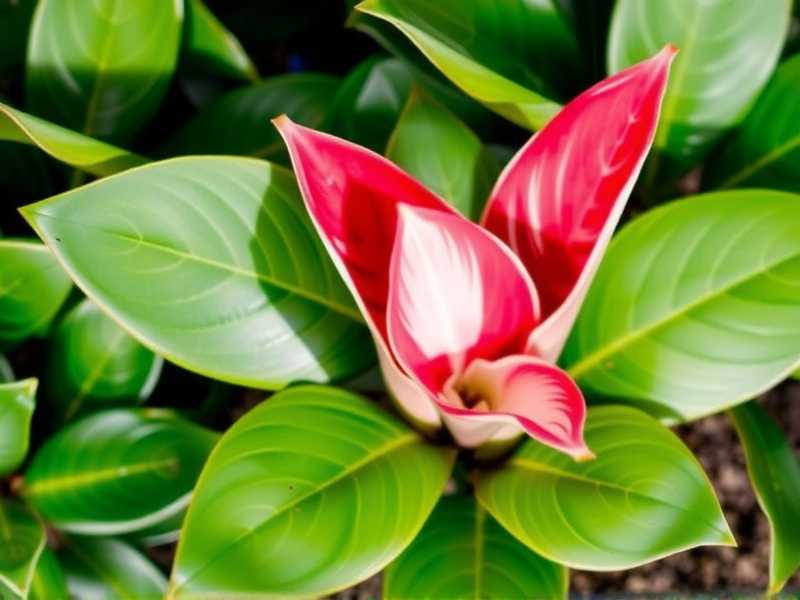
Before we dive into the daily routine, let’s understand what we’re working with. Aglaonemas are native to the tropical forest floors of Asia, which gives us the biggest clues about their needs: they thrive in dappled light, warm temperatures, and consistent (but not soggy) moisture. Their stunning foliage, variegated with shades of silver, red, pink, or cream, is their masterpiece. The Royal Horticultural Society (RHS) notes that these plants are prized for their tolerance of low light conditions, but they truly excel with bright, indirect light. This was my first “aha” moment. I had my first plant in a dim corner because a label said “low light.” It survived but didn’t thrive. For my experiment, I chose a spot about 6 feet back from a north-east facing window, providing that perfect bright but indirect light cocktail.
The Non-Negotiables: Light, Water, and Soil
Getting these three pillars right eliminates 90% of Aglaonema problems. My two-week journal was built around mastering them.
Finding the Perfect Light Balance The mantra for Aglaonema light requirements is simple: avoid direct sun, embrace bright indirect light. Direct afternoon sun will scorch those beautiful leaves, leaving unsightly brown patches. During my observation period, I noticed the new leaves on my ‘Red Siam’ Aglaonema were stretching slightly toward the light source. This subtle sign told me it could use a tad more brightness. I moved it just a foot closer to the window (still no direct sun), and within a week, the new growth emerged more compact and the colors were dramatically more vibrant. If you only have lower light, don’t despair. The American Horticultural Society (AHS) confirms that darker green varieties, like ‘Maria’, are more adaptable to lower light, but growth will be slower. The key is to adjust your watering accordingly.
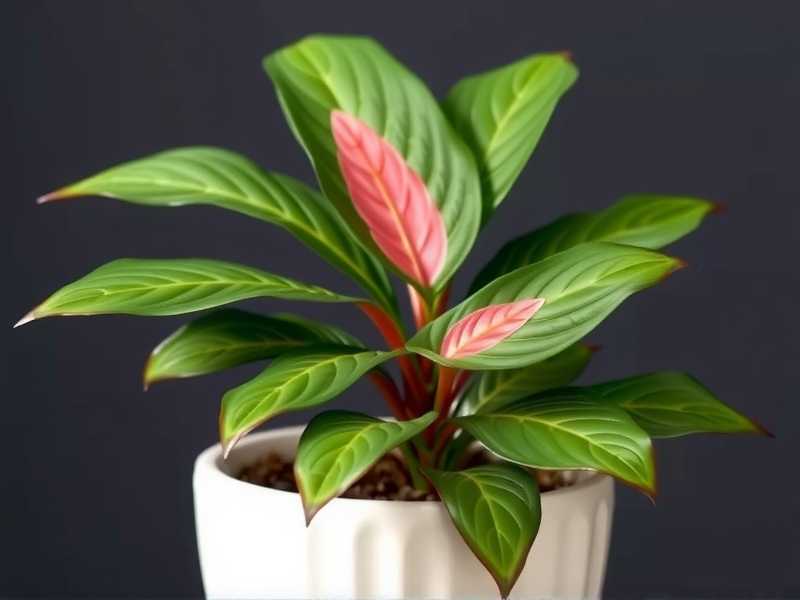
Mastering the Art of Watering This is where I failed spectacularly the first time. How to water Chinese Evergreen plants is less about a schedule and more about soil investigation. I committed to the “finger test.” Every other day, I would insert my finger into the soil up to the second knuckle. For the first week, the soil remained slightly moist. I did not water. This was hard! I felt like I was neglecting it. But on day 8, my finger came out almost completely dry. That was my signal. I took the plant to the sink and watered it thoroughly until water freely ran out of the drainage holes, ensuring the entire root ball was hydrated. I then let it drain completely before returning it to its decorative pot. Over the next 48 hours, I observed a visible “perking up” – the stems seemed more upright, and the leaves had a healthier sheen. The cycle from that watering lasted about 10 days. The lesson? Overwatering leads to root rot, the silent killer. Underwatering is a much easier fix.
Choosing the Right Foundation: Soil and Potting Aglaonemas demand a well-draining potting mix. I used a standard indoor potting mix but amended it with about 30% perlite to increase aeration and drainage. This creates an environment where roots can breathe, mimicking their natural, humus-rich forest floor soil. Ensure your pot has drainage holes. This is non-negotiable. I learned this the hard way with my first plant, which sat in a cachepot, trapping water at the bottom.
Creating a Supportive Environment: Humidity, Food, and Grooming
Once the basics are locked in, these factors help your Aglaonema shift from surviving to thriving.
Managing Humidity and Temperature As tropical plants, they appreciate humidity above 50%. My home’s winter air is dry, often around 30%. I noticed the very tips of a few leaves starting to go brown and crispy in the first week. My solution wasn’t a fussy humidifier (though that’s a great option). I placed my pot on a wide, shallow tray filled with pebbles and water. As the water evaporates, it creates a localized humid microclimate. Within four days of implementing this, I saw no new crispy tips. They also dislike drafts and sudden temperature changes, so keep them away from heating vents, air conditioners, and drafty doors.
Feeding for Fabulous Foliage During my two-week experiment, I did not fertilize, as I had repotted the plant with fresh, nutrient-rich soil a month prior. For established plants, a balanced, water-soluble fertilizer diluted to half strength every 4-6 weeks during the spring and summer is ample. Over-fertilizing can cause salt buildup and leaf burn. Less is truly more.
The Importance of Simple Grooming I made it a weekly ritual to gently wipe the leaves with a damp, soft cloth. This does two things: it removes dust that can block sunlight, and it allows you to inspect for pests like spider mites or mealybugs early. I also promptly snipped off the one leaf that had developed a severe crispy tip using sterile scissors. This directs the plant’s energy to new, healthy growth.
My Two-Week Observation: The Results and The Hiccups
The transformation wasn’t overnight, but the incremental changes were clear. By day 3 of proper watering, the slight wilt from the store was gone. By day 7, the existing leaves looked glossier. The most exciting change came around day 12: I spotted a tightly furled new leaf (a “cataphyll”) emerging from the center of the plant. This was the ultimate sign of happiness.
I did hit one snag. Around day 5, I noticed a few small yellow spots on a lower, older leaf. I panicked, thinking it was a disease. After some research and consulting a local nursery expert, I diagnosed it as minor edema—a sign of slight, past irregular watering (likely from before I bought it). The plant was absorbing water faster than it could transpire, causing cells to burst. I maintained my consistent watering routine, and the issue did not spread to any other leaves. This taught me that not every flaw is a crisis; sometimes, it’s just the plant’s history showing.
Troubleshooting Common Aglaonema Problems
Even with great care, issues can pop up. Here’s how I’ve learned to handle them:
- Yellowing Leaves: This is the most common cry for help. Lower, older leaves yellowing and dying off naturally is normal. Widespread yellowing usually points to overwatering. Check your soil! Let it dry out more between waterings.
- Brown, Crispy Leaf Tips or Edges: This is typically low humidity or, less commonly, underwatering or fertilizer burn. Implement the pebble tray trick and review your watering and feeding schedule.
- Drooping or Curling Leaves: Often a sign of thirst (check that soil!) or, conversely, root rot from overwatering. It can also indicate the plant is too cold or in a draft.
- Leggy Growth or Fading Color: Your plant isn’t getting enough light. Gradually move it to a brighter location with indirect light to encourage compact growth and vibrant variegation.
Frequently Asked Questions
How often should I repot my Aglaonema? They are slow growers and prefer to be slightly root-bound. Repot every 2-3 years in spring, sizing up only 1-2 inches in pot diameter. If you see roots circling the bottom or growing out of the drainage holes, it’s time.
Is Aglaonema safe for pets? No. According to the ASPCA, Aglaonema plants contain calcium oxalate crystals, which are toxic to cats and dogs if ingested. It can cause oral irritation, pain, and vomiting. Keep it in a location inaccessible to your furry friends.
Why are the stems of my Aglaonema getting long and bare at the bottom? This is a natural, gradual process as the plant grows and sheds its oldest leaves. You can maintain a fuller look by propagating the plant. When you repot, you can divide the root clump. Alternatively, if a stem gets too leggy, you can cut the top off (with at least a few leaves) and root it in water to create a new, bushier plant.
Caring for an Aglaonema is a lesson in mindful simplicity. It asks not for constant attention, but for informed, periodic check-ins. By understanding its language—the slight droop, the crispy tip, the unfurling new leaf—you build a relationship that results in a stunning, resilient houseplant. Forget the rigid schedules. Pick the right spot, water only when the soil tells you to, and provide a little humidity. Your Chinese Evergreen will reward you with years of effortless, beautiful growth, proving that a green thumb isn’t an innate gift, but a skill built on patient observation and simple, consistent care.





