 bluename
 My Aglaonema Was Dying in My Dry Apartment – Here’s How I Saved It
I’ll be honest, I almost gave up on my beloved Chinese Evergreen. The tips of its beautiful, patterned leaves were turning crispy brown, and new growth seemed stunted and sad. I was watering correctly, providing bright, indirect light, and yet it was clearly struggling. The culprit? The bone-dry air in my centrally heated apartment, where humidity levels stubbornly hovered around 30%. If you’re facing the same heartbreak with your Aglaonema in low humidity, I’ve been there. This guide isn’t just theory; it’s the detailed, two-week journey I undertook to transform my plant from surviving to thriving. I’ll share every step, every mistake, and the proven solutions that brought back its lush, vibrant glory.
Understanding the Humidity Crisis for Aglaonema
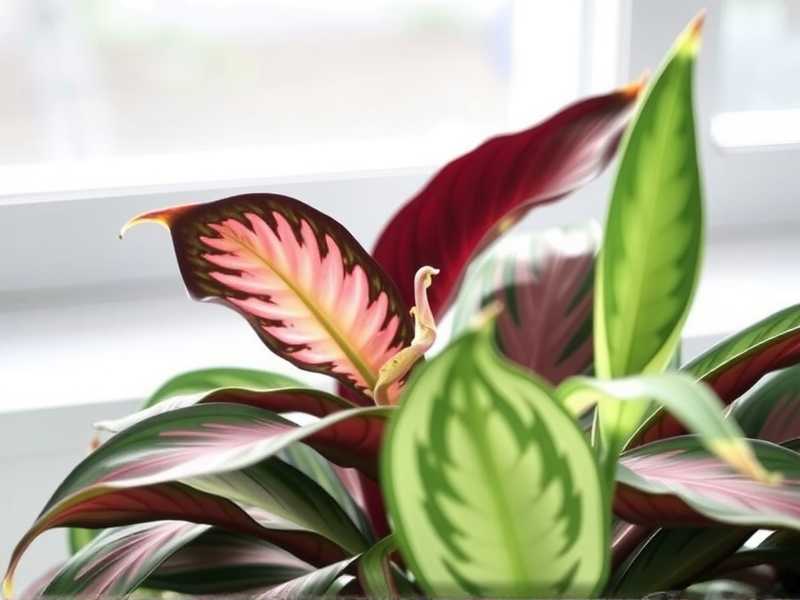
Aglaonema, or the Chinese Evergreen, hails from the tropical forests of Asia. In its natural habitat, it enjoys consistently high moisture in the air. When we bring it into our homes, especially during winter or in arid climates, we subject it to an environment it’s not built for. Low humidity forces the plant to lose water through its leaves faster than its roots can absorb it, leading to those tell-tale brown leaf tips and margins. According to the Royal Horticultural Society (RHS), maintaining adequate atmospheric humidity is crucial for preventing desiccation in tropical foliage plants. It’s not about drowning the roots; it’s about creating a kinder microclimate.
My 2-Week Rescue Mission: A Step-by-Step Diary
I decided to tackle this problem head-on with a multi-pronged approach. I focused on two core long-tail strategies: increasing humidity for Aglaonema naturally and preventing brown tips on Chinese Evergreen. For two weeks, I monitored, adjusted, and learned.
Week 1: Foundation and Observation
My starting point was grim. My silver bay Aglaonema had three leaves with significant browning. I began with the most recommended method: the pebble tray.
- Step 1: The Pebble Tray Setup. I filled a shallow tray with small pebbles, poured in water until it was just below the top of the stones, and placed my plant pot on top. The idea is that evaporating water increases humidity directly around the plant. I placed a humidity meter next to the plant to track changes.
- Initial Results (Days 1-3): The hygrometer showed a modest increase from 30% to about 38% directly around the foliage. It was a start, but the older brown tips remained unchanged (as expected), and I noticed no new damage.
- The First “Gotcha”: I made a critical error. I let the pot’s base sit in the water, risking root rot. I quickly corrected this by ensuring the water level was always below the pebbles' surface. Lesson learned: The pot must never be waterlogged.
To bolster my efforts, I implemented another low-humidity care tip: grouping plants. I moved my peace lily and fern closer to the Aglaonema. Plants release moisture through transpiration, and grouping them creates a shared, more humid microclimate.
- Step 2: Strategic Plant Grouping. I clustered the three plants together on the pebble tray.
- Observations (Days 4-7): The humidity reading now consistently read between 42-45%. This was promising! The Aglaonema’s newest leaf, which had been slightly curled, began to unfurl more smoothly.
Week 2: Intensification and Mistake Management
While progress was being made, I wanted to push the humidity a bit higher for optimal recovery. I introduced a third element: caring for Aglaonema in dry air with focused misting.
- Step 3: Targeted Morning Misting. Using a fine mist spray bottle with filtered room-temperature water, I began lightly misting the air around and under the leaves every morning. I avoided heavy drenching to prevent water from sitting in the crown, which can cause fungal issues.
- The Second “Gotcha”: Misting alone, as many experts like those at the American Horticultural Society (AHS) note, provides only a temporary humidity boost. I was relying on it too much initially. The AHS emphasizes that for sustained humidity, methods like humidifiers or pebble trays are more effective. My data proved this—misting spiked humidity briefly, but it fell back within an hour.
- The Integrated Solution: I didn’t stop misting, but I changed its role. It became a supplemental morning ritual alongside the permanent pebble tray and plant grouping. This combination proved to be the sweet spot.
- Breakthrough Results (Days 8-14): By the end of the second week, the microclimate humidity stabilized between 48-52%. The most exciting development? A brand new leaf spear emerged from the center of my Aglaonema, and it unfurled perfectly—no browning, no crispiness. The existing brown tips remained (they always will), but the plant had stopped issuing distress signals. Its overall posture looked perkier and more robust.
Advanced Tactics for Stubbornly Dry Environments
If you live in a desert climate or have severe indoor dryness, the basic methods might need a powerhouse ally: a humidifier. This is the most effective way to maintain Chinese Evergreen in arid conditions. I invested in a small, quiet cool-mist humidifier for the room during the driest winter months. Setting it to maintain 50-60% humidity took all the guesswork out and benefited my entire collection of tropical plants. It’s the ultimate set-and-forget solution for serious plant enthusiasts.
Ongoing Maintenance: More Than Just Humidity
Fixing the humidity is the biggest piece of the puzzle, but other factors interact with it. In dry air, soil can feel deceptively moist on top while being dry deeper down. I adjusted my watering to be more thorough but less frequent, always checking the soil moisture two inches down. Furthermore, I ensured the plant was away from hot air vents or cold drafts, which can exacerbate moisture loss. Proper Aglaonema dry climate adaptation is a holistic practice.
Will the brown tips on my Aglaonema ever turn green again? No, unfortunately, the damaged, crispy brown tissue is dead and will not recover. The goal of increasing humidity is to prevent new growth from developing these symptoms. You can snip off the brown tips following the natural shape of the leaf for aesthetics, but the plant itself has compartmentalized the damage.
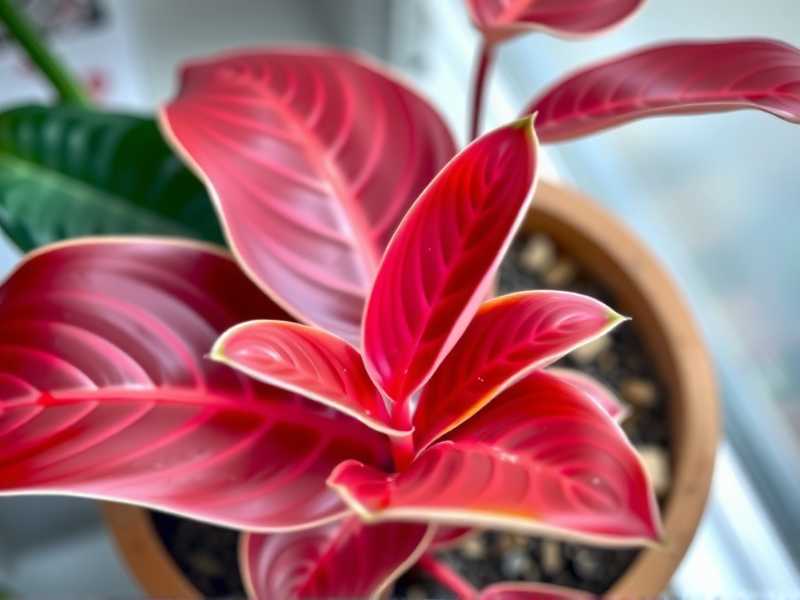
How often should I mist my Aglaonema for humidity? If you choose to mist, do it lightly in the morning so any droplets on the leaves can evaporate during the day. Avoid evening misting. Remember, misting is a temporary supplement, not a primary solution. For real impact, prioritize a pebble tray, plant grouping, or a humidifier.
What is the ideal humidity level for an Aglaonema? While they can tolerate average home humidity (around 40%), Aglaonemas truly thrive at levels between 50-60%. You’ll see faster growth, larger leaves, and absolutely no brown tips in this range. A simple digital hygrometer, available at most hardware stores, is an invaluable tool to remove the guesswork.
Watching my Aglaonema push out that perfect, unblemished new leaf after two weeks of focused care was immensely rewarding. The journey taught me that nurturing Aglaonema with minimal moisture in the air is entirely possible; it just requires shifting from reactive care to proactive environmental control. It’s not about constant fussing, but about setting up a stable, supportive system. By understanding its needs and creating a consistent microclimate, you can enjoy the lush, tranquil beauty of a healthy Chinese Evergreen, even in the driest of homes. The resilience of these plants, when given the right support, is truly remarkable.





