 bluename
 How to Care for Aglaonema Post Root Rot Treatment: Your Guide to a Full Recovery
Discovering root rot in your beloved Aglaonema, or Chinese Evergreen, can feel like a major setback. You’ve bravely performed the surgery—trimming away the mushy, brown roots, treating with fungicide, and repotting into fresh soil. But now comes the critical question: what next? The period after treatment is just as vital as the treatment itself. Proper post-root rot care is the key to ensuring your plant doesn’t just survive, but truly thrives again. This guide will walk you through every essential step, from the first delicate days to long-term health strategies, helping you restore your Aglaonema’s vibrant beauty.
Understanding the Plant’s State After Treatment
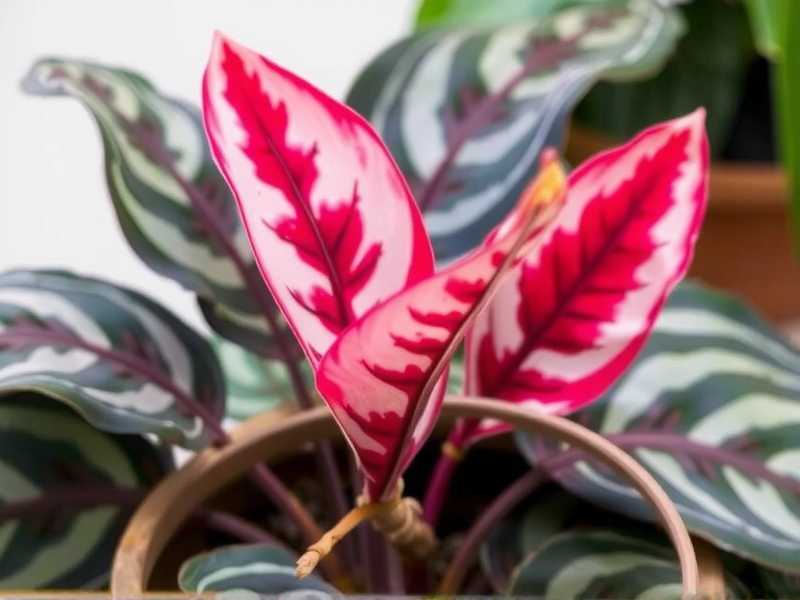
Your Aglaonema has been through a significant trauma. Its root system, its lifeline for water and nutrients, has been severely reduced. This means the plant is in a state of shock and recovery. It cannot uptake water as efficiently as before, making it incredibly vulnerable to overwatering—the very condition that likely caused the problem initially. The goal now is not to push for new growth immediately, but to provide a stable, supportive environment that encourages the development of new, healthy white roots. Patience is your most important tool during this phase.
The Critical First Weeks: Creating a Recovery Sanctuary
The initial 2-4 weeks post-repotting set the stage for success. Think of this as your plant’s intensive care unit.
Immediate Placement and Environment
Right after repotting, place your Aglaonema in a location with bright, indirect light. Avoid direct sunlight, which can scorch the leaves and add stress when the plant’s ability to cool itself via water uptake is compromised. A spot near an east-facing window is ideal. Maintain consistent, warm temperatures between 65°F and 80°F (18°C - 27°C), and protect the plant from cold drafts or sudden temperature swings. As noted by horticulturists at the University of Florida IFAS Extension, stable temperatures reduce stress on plants recovering from root damage.
Mastering the Art of Post-Treatment Watering
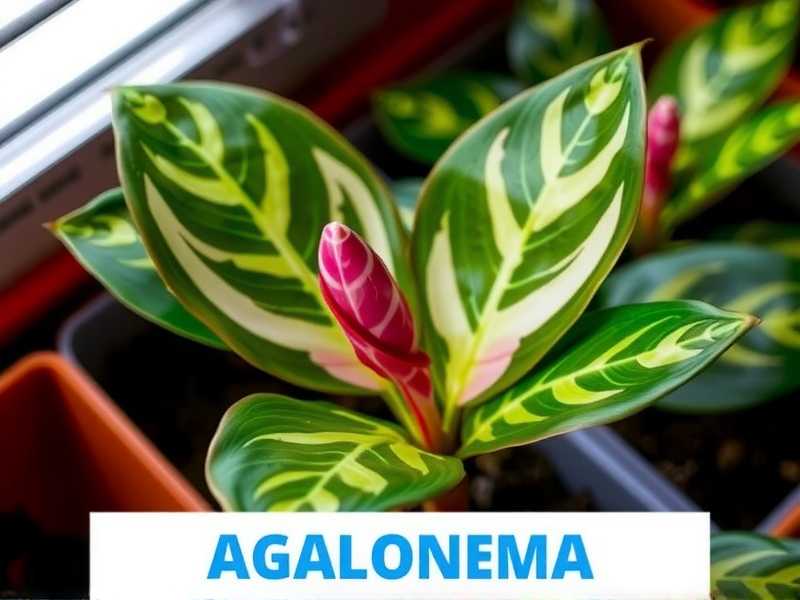
This is the single most crucial aspect of how to care for Aglaonema post root rot treatment. The old watering schedule is obsolete.
- The First Watering: After repotting into slightly moist, well-draining soil, do not water immediately. Wait 3-5 days to allow any minor root injuries from handling to callous over, reducing the risk of re-infection.
- The "Soak and Dry" Method Adapted: Going forward, water only when the top 1.5 to 2 inches of soil are completely dry. Insert your finger to check. When you do water, do so thoroughly until water runs freely from the drainage holes, then let all excess water drain away completely. Never let the pot sit in a saucer of water.
- Frequency is Key: Expect to water much less frequently than before. The smaller root mass and the plant’s reduced transpiration mean the soil will stay moist longer. It’s better to err on the side of dryness.
Hold Off on Fertilizer
A recovering root system cannot process fertilizer, and the salts in it can actually burn the delicate new roots. Do not fertilize your Aglaonema for at least 2-3 months after treatment, or until you see clear signs of consistent new growth. The fresh potting mix contains enough nutrients to sustain it during this period.
Long-Term Care Strategies for a Resilient Aglaonema
Once your plant shows stable signs of recovery—no further leaf yellowing and perhaps a hint of new growth—you can transition to a long-term care routine designed to prevent relapse.
Optimizing Light and Humidity
Aglaonemas are adaptable, but for optimal recovery, provide medium to bright indirect light. This provides the energy for root and leaf production without the stress of direct sun. They also appreciate moderate to high humidity (above 50%). You can group plants together, use a pebble tray, or a small humidifier nearby. According to a study on plant stress physiology, adequate humidity reduces transpirational water loss, easing the demand on the compromised root system.
Choosing the Right Soil and Pot
Your choice of soil and pot is a primary defense against future root rot.
- Soil Mix: Always use a well-aerated, fast-draining potting mix. A great recipe is a standard indoor potting mix amended with 30-40% perlite or orchid bark. This creates air pockets and prevents compaction, ensuring roots have access to oxygen.
- Pot Selection: The pot must have ample drainage holes. Terracotta pots are excellent for post-root rot care because they are porous, allowing the soil to dry out more evenly from the sides. Ensure the pot is only 1-2 inches larger in diameter than the remaining root ball; a pot that is too large holds excess wet soil around the small roots.
Establishing a Sustainable Watering Routine
Continue to base your watering on soil dryness, not a calendar. Factors like season, room temperature, and light levels will affect how quickly the soil dries. In winter, watering frequency may drop significantly. The core principle remains: deep watering followed by complete drought for the top layer of soil.
Monitoring for Signs of Health and Distress
Learn to read your plant’s signals.
- Signs of Recovery: The most encouraging sign is the emergence of new leaves from the center of the plant. Existing leaves should remain firm and hold their color. Gently tugging on the plant after a few weeks should meet with slight resistance, indicating new root growth.
- Warning Signs: Continued yellowing or drooping of older leaves can be normal as the plant reallocates resources. However, if new growth is yellowing or stems become mushy, you must immediately check the roots again for a recurrence of rot.
When to Consider Fertilizing Again
Resume feeding only after your Aglaonema has shown vigorous new growth for several weeks. Start with a diluted, balanced liquid fertilizer (such as a 10-10-10 or 20-20-20 formula) at half the recommended strength, applied once a month during the growing season (spring and summer). Avoid fertilizing in fall and winter.
Frequently Asked Questions
How long will it take for my Aglaonema to recover fully? Full recovery, marked by steady new leaf production and a filled-out root system, can take anywhere from 3 to 6 months. The first signs of success, like one new leaf or halted decline, may appear within 4-8 weeks. Patience is essential.
Should I cut off the yellow leaves after treating root rot? You can remove leaves that are more than 50% yellow or completely brown. Use clean, sharp scissors to cut them off at the base of the leaf stem. However, if a leaf is only partially yellowed, you can leave it; the plant will reabsorb nutrients from it before it falls off naturally.
My plant lost many leaves after treatment. Is it a lost cause? Not necessarily. Aglaonemas are remarkably resilient. Even a plant reduced to a few leaves and a healthy stem can recover if the remaining roots are firm and white. Focus on providing impeccable core care—correct light, careful watering, and warmth. As long as the stem is firm, there is hope for new growth to emerge.
Watching your Aglaonema bounce back from root rot is a deeply rewarding experience for any plant owner. The journey hinges on a mindful shift in care, prioritizing root health and stability above all else. By mastering the delicate balance of post-treatment watering, providing a stress-free environment, and resisting the urge to over-care, you give your plant the strongest possible foundation for a comeback. Remember, the principles you apply now—excellent drainage, attentive observation, and watering based on need—will serve you well in keeping not just this Aglaonema, but all your houseplants, healthier and happier for years to come.





