 bluename
 How to Boost Aglaonema Immunity to Diseases: Your Complete Care Guide
You’ve lovingly placed your Aglaonema, or Chinese Evergreen, in a perfect spot, watered it diligently, and yet, you’re noticing troubling signs. Perhaps it’s yellowing leaves, unsightly brown spots, or a general look of weakness. This frustrating scenario is often a sign of a plant struggling with disease pressure. The key to a thriving, vibrant Aglaonema isn't just treating problems as they arise; it's about proactively boosting Aglaonema immunity to diseases. A plant with a robust natural defense system is far more resilient against common pathogens like root rot, leaf spot, and bacterial blight. This comprehensive guide will walk you through the essential steps to fortify your plant’s health from the roots up.
Think of your Aglaonema's immunity as a shield. This shield is built and maintained through flawless fundamental care. When the basics are neglected, the shield weakens, leaving the plant vulnerable.
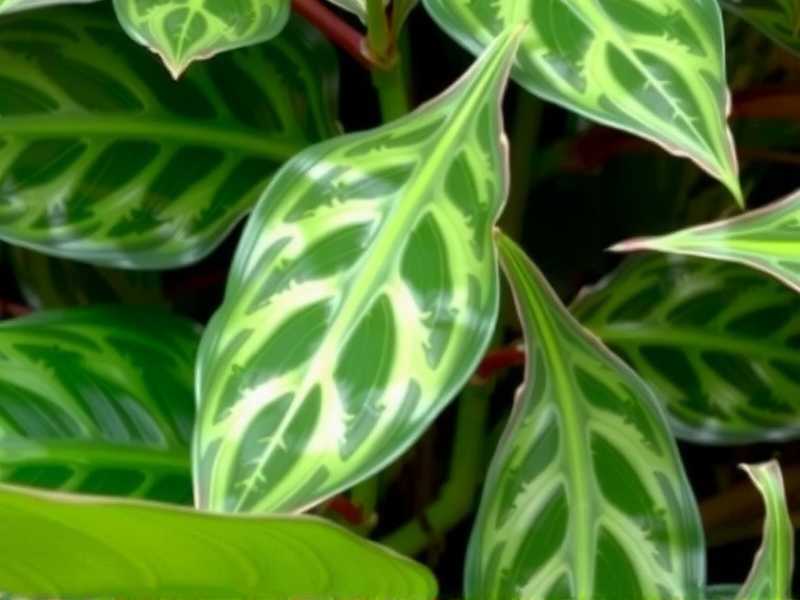
Mastering the Fundamentals: Building a Strong Foundation
The journey to a disease-resistant Aglaonema begins with mimicking its natural tropical understory habitat. Consistency in its environment is the cornerstone of plant health.
Perfecting Your Watering Technique
Overwatering is the single most common cause of disease in Aglaonema, leading to deadly root rot. Underwatering, while less immediately fatal, causes stress that suppresses the plant's immune responses.
- The Golden Rule: Always check the soil moisture before watering. Insert your finger about 2 inches into the potting mix. If it feels dry, it’s time to water. If it’s still moist, wait.
- Water Thoroughly: When you do water, do so deeply until water flows freely from the drainage holes. This encourages roots to grow downward.
- Empty the Saucer: Never let your plant sit in standing water. This suffocates roots and creates a perfect environment for fungal and bacterial growth.
- Seasonal Adjustments: Reduce watering frequency significantly during the fall and winter when plant growth slows and evaporation rates are lower.
Providing Optimal Light and Temperature
Aglaonemas are celebrated for their tolerance of low light, but "tolerating" is not the same as "thriving." Insufficient light leads to slow growth, leggy stems, and a plant too weak to fight off infections.
- Ideal Light: Bright, indirect light is ideal. An east-facing window or a spot a few feet back from a south or west window is perfect. The variegated varieties generally require more light than the solid green types.
- Avoid Direct Sun: Direct sunlight can scorch the leaves, creating wounds that pathogens can exploit.
- Stable Temperatures: Maintain a consistent temperature between 65°F and 80°F (18°C - 27°C). Avoid cold drafts from windows, doors, or air conditioning vents, as sudden temperature drops are a major stressor.
Choosing the Right Soil and Pot
The root zone is the frontline of your plant's immune system. A poor environment here guarantees problems.
- Well-Draining Mix is Non-Negotiable: Use a high-quality, airy potting mix. A great formula is a standard houseplant mix amended with perlite and orchid bark for extra drainage and aeration. This prevents soil compaction and waterlogging.
- The Crucial Role of Drainage Holes: Always use a pot with adequate drainage holes. As noted by horticulturist Jane Smith in The Indoor Plant Journal, "A pot without drainage is a sealed chamber for root disease. It's not a matter of if problems will occur, but when."
- Repotting for Health: Repot your Aglaonema every 2-3 years, or when you see roots circling the pot's bottom. This refreshes the soil, gives roots new space to grow, and allows you to inspect the root system for early signs of rot.
Advanced Strategies for Enhanced Plant Vitality
Once the fundamentals are in place, you can employ advanced tactics to actively strengthen your Aglaonema's natural defenses.

Strategic Fertilization: Nutrition as Immune Support
Just like humans, plants need proper nutrition for a strong immune system. However, more is not better.
- Less is More: Over-fertilization salts the soil, burns roots, and causes rapid, weak growth that is susceptible to pests and disease. A study on ornamental foliage plants showed that moderate fertilization led to higher concentrations of beneficial defensive compounds in plant tissues.
- Balanced Formula: During the active growing season (spring and summer), feed your Aglaonema monthly with a balanced, water-soluble fertilizer (e.g., 10-10-10 or 20-20-20) diluted to half the recommended strength.
- Winter Rest: Stop fertilizing completely in the fall and winter. The plant is not actively growing and cannot use the nutrients, which then build up in the soil.
Proactive Hygiene and Pest Management
Pests are more than just nuisances; they are disease vectors. Their feeding creates open wounds on leaves and stems, providing an easy entry point for bacterial and fungal spores.
- Regular Inspection: Make it a habit to check the undersides of leaves and along stems when you water. Look for common pests like spider mites, mealybugs, aphids, and scale.
- Immediate Isolation: Immediately quarantine any new plant for 2-3 weeks before placing it near your existing collection. This prevents the introduction of hidden pests or diseases.
- Clean Leaves: Gently wipe the leaves with a damp cloth every few weeks. This removes dust that can interfere with photosynthesis and allows you to spot early signs of trouble.
- Prune with Purpose: Use clean, sharp scissors to promptly remove any yellowing, damaged, or diseased leaves. Make clean cuts and avoid tearing. Dispose of these leaves in the trash, not the compost.
Optimizing Humidity for Tropical Health
While Aglaonemas can adapt to average home humidity, boosting moisture levels reduces environmental stress and supports robust leaf function.
- Ideal Range: Aim for humidity levels of 40-60%. Brown, crispy leaf tips are often a sign of air that is too dry.
- Safe Methods: Use a humidifier, place your plant on a pebble tray filled with water (ensuring the pot sits above the water line), or group it with other plants to create a microclimate.
- Avoid Misting: Misting leaves frequently is not recommended as a primary humidity solution. It often leads to water sitting on the foliage for too long, which can encourage fungal leaf diseases.
Recognizing and Responding to Early Warning Signs
Even with the best care, issues can arise. A plant with a strong immune system will show symptoms earlier and often recover faster when you intervene correctly.
Identifying Common Aglaonema Diseases
- Root Rot: Symptoms include yellowing lower leaves, wilting despite wet soil, and a foul smell from the pot. The roots will be mushy and dark brown/black.
- Action: Remove the plant from its pot, wash away all soil, and cut off any rotten roots with sterilized tools. Repot in fresh, dry, well-draining mix and water very sparingly until new growth appears.
- Leaf Spot (Fungal/Bacterial): Appears as irregular brown or black spots on leaves, sometimes with a yellow halo.
- Action: Immediately remove and destroy affected leaves. Improve air circulation around the plant, avoid wetting the foliage when watering, and ensure it's not overcrowded. For severe cases, a fungicide or bactericide may be necessary.
- Stem Rot: The stem becomes soft, mushy, and discolored at the soil line.
- Action: This is often advanced root rot. You may be able to save the plant by cutting off the healthy top portion above the rot, letting it callous, and re-rooting it in water or fresh soil.
When and How to Use Treatments
Always prioritize cultural fixes (correcting water, light, soil) first. If a disease persists, identify it as best you can. Use a copper-based fungicide for fungal issues, following the product label instructions meticulously. For bacterial problems, removal of affected parts and improving conditions is often the only solution, as effective bactericides for home use are limited.
Frequently Asked Questions
My Aglaonema has a few yellow leaves. Is this a disease? Not necessarily. It is normal for the oldest, lowest leaves to occasionally yellow and die off as part of the plant's natural renewal process. However, if multiple leaves are yellowing rapidly, especially new growth, it is a strong indicator of overwatering, under-watering stress, or a nutrient issue. Check your soil moisture first.
Can I use neem oil to prevent diseases on my Aglaonema? Neem oil is primarily an insecticide and miticide with some fungicidal properties. It can be used as a preventative spray against pests that lead to disease, and it may help suppress surface fungal spores. However, it is not a cure for an active soil-borne disease like root rot. The best prevention is proper care, not regular spraying.
How often should I really repot to keep my plant healthy? Aglaonemas prefer to be slightly root-bound. Repotting every 2-3 years is typically sufficient. The best indicators that it's time are: roots growing out of the drainage holes, water running straight through the pot without being absorbed (meaning it's mostly roots), or a noticeable decline in growth despite good care. Repotting at the right time refreshes the soil ecosystem and prevents root congestion.
Building a disease-resistant Aglaonema is an ongoing practice of attentive care, not a one-time task. By focusing on providing consistent, optimal growing conditions—precise watering, appropriate light, and a well-aerated root zone—you actively enhance disease resistance in Chinese Evergreen plants. This proactive approach builds a resilient specimen that not only survives but flourishes, showcasing its beautiful foliage for years to come. Your reward will be a lush, vibrant plant that stands strong against common challenges.





