 bluename
 How to Fix Aglaonema Leaves Curling Inward: A Plant Lover's 2-Week Rescue Guide
I remember the sinking feeling when I first noticed my beloved Aglaonema 'Silver Bay' starting to look off. Its normally broad, confident leaves were slowly curling inward, like shy hands closing in on themselves. It wasn't the dramatic wilt of an underwatered plant, but a subtle, creeping distress signal. If you're here, you likely know that exact worry. Aglaonema leaves curling inward is a common cry for help, but the fix isn't always straightforward. Over the next sections, I'll walk you through the exact, step-by-step diagnostic and recovery process I used over a focused two-week period. We'll move beyond guesswork to understand the root causes—from watering habits to environmental stress—and implement targeted solutions that actually work.
Understanding Why Your Aglaonema Leaves Are Curling
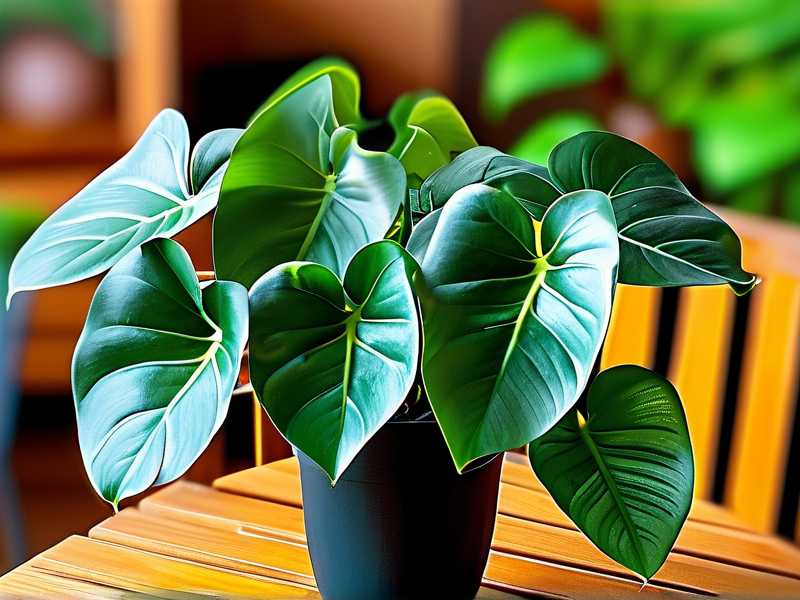
Before you can fix the problem, you need to understand it. Curling leaves are the plant's physiological response to conserve moisture or protect itself. Think of it as your Aglaonema literally tightening its belt. Through my trial and error, I pinpointed four primary culprits. Getting this diagnosis right is 90% of the battle.
The Watering Tightrope: Too Much vs. Too Little This is the most frequent offender, and ironically, both extremes cause similar curling. My plant was in a decorative pot without drainage—my first major mistake. I was watering on a schedule, not by need. The symptoms of overwatering include leaves curling inward and feeling soft or limp, often accompanied by yellowing lower leaves. The soil will stay soggy for days. Underwatering symptoms also show curling, but the leaves feel dry and crispy to the touch, and the soil pulls away from the pot's edges.
My fix started with the "finger test." I stopped watering on a calendar and began checking the soil 2 inches down. Only when it was dry did I water. For my pot-within-a-pot setup, I started lifting the inner nursery pot to check for standing water. This simple habit change was the single most impactful step.
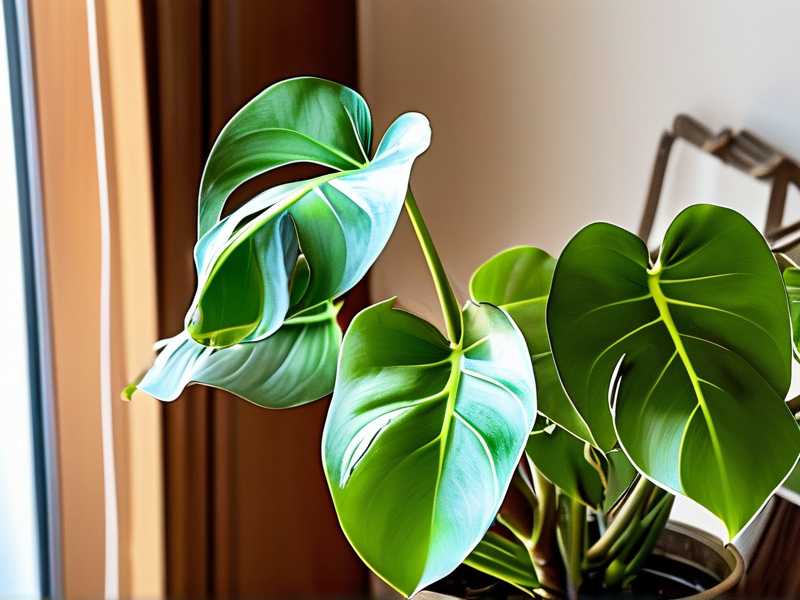
Low Humidity: The Silent Leaf Curler Aglaonemas, native to tropical forests, thrive in humidity above 60%. Our air-conditioned and heated homes often sit at 30-40%, which is desert-like for them. Low humidity forces leaves to curl to reduce their surface area and minimize moisture loss. I didn't own a hygrometer initially, so I missed this completely.
I embarked on a two-week humidity boost experiment. I grouped it with other plants, placed its pot on a pebble tray filled with water, and ran a small humidifier for 4-6 hours each morning. Within one week, the newest, slightly curled leaves began to unfurl and flatten out. The humidifier made the most noticeable difference, a view supported by the Royal Horticultural Society (RHS), which notes that increasing ambient humidity is key for preventing stress in foliage plants like Aglaonema.
Light Stress: From Harsh Sun to Deep Shade While tolerant of low light, Aglaonemas have a sweet spot. Too much direct sunlight scorches leaves, causing them to curl, brown, and bleach. Mine was getting late afternoon sunbeams through a west-facing window. Insufficient light, on the other hand, weakens the plant, leading to slow growth and subtle curling as it struggles to photosynthesize efficiently.
I moved my plant to a spot with bright, indirect light—about 6 feet back from that west window. I observed it over several days. The harsh direct rays never touched it, but the room remained brightly lit all day. This balanced exposure halted the progression of stress.
Unwanted Guests: Pest Infestations Pests like spider mites and thrips suck sap directly from the leaves, causing curling, stippling, and distortion. I learned this the hard way with a different plant. For my Aglaonema, I made a habit of inspecting the undersides of leaves during weekly watering. The American Horticultural Society (AHA) emphasizes regular leaf inspection as a cornerstone of integrated pest management, catching issues before they escalate.
My 2-Week Action Plan to Revive Your Aglaonema
Here is the exact sequence of actions I followed, day by day, to nurse my plant back to health. Consistency is crucial.
Days 1-3: The Assessment & Immediate Adjustments First, I gently removed the plant from its pot to check the roots. They were white and firm—no root rot—confirming my issue was likely humidity and light-related. I still took this chance to refresh the top inch of soil with a fresh, well-draining mix. I placed the plant in its new, properly lit location and filled the pebble tray. I also gave the leaves a thorough wipe with a damp cloth to remove dust, helping it breathe and absorb light better.
Days 4-10: The Observation & Refinement Phase This is where patience is key. I resisted the urge to over-correct. I watered only once during this period, when the soil was dry. I ran the humidifier consistently every morning. I took daily photos from the same angle to track subtle changes. By day 7, the curling had stopped worsening. By day 10, the newest leaf, which had been slightly curled, was visibly opening up. The existing older, curled leaves wouldn't fully recover, but the new growth was looking healthy.
Days 11-14: Establishing the New Normal The plant was stable. I formalized my new care routine: check soil moisture weekly, water deeply until it runs out the drainage holes, let it drain completely, and refill the pebble tray. The humidifier became a permanent part of my plant corner. I also gave it a very diluted, balanced liquid fertilizer at half-strength to support new growth, as the fresh soil nutrients would now be accessible.
Common Pitfalls I Encountered (And How to Avoid Them) My biggest mistake was assuming "low maintenance" meant "no maintenance." I also learned that treating curled Aglaonema leaves requires systemic change, not a quick fix. Adding more water when the problem was humidity actually made things riskier. Another pitfall was waiting for the leaves to uncurl overnight. Plant recovery takes time; focus on the health of new growth as your success metric.
Frequently Asked Questions
Will the already curled leaves flatten back out? Unfortunately, no. Leaves that have permanently curled or sustained damage will not return to their original flat state. The good news is that with corrected care, all new growth will emerge healthy and normal. You can snip off severely damaged leaves at the base with sterile scissors to encourage the plant to direct energy to new growth.
How often should I water to prevent leaf curl? There is no universal schedule. The frequency depends on your home's light, temperature, and humidity. Always use the soil moisture check. For most indoor environments, a thorough watering once every 1-2 weeks is typical, but you must let the soil's dryness be your guide. This is the most reliable method for fixing Aglaonema leaf curl problems caused by moisture issues.
Can temperature cause leaves to curl? Absolutely. Aglaonemas dislike drafts and sudden temperature swings. Keep them away from heating vents, air conditioning blasts, and drafty windows. Consistent temperatures between 65-80°F (18-27°C) are ideal. A cold draft can cause leaves to curl and droop surprisingly quickly.
Seeing your Aglaonema's leaves curl inward is undoubtedly concerning, but it's a solvable problem. It's a clear dialogue between you and your plant. By methodically checking watering practices, boosting humidity, ensuring proper light, and vigilantly watching for pests, you address the issue at its core. My two-week journey transformed a struggling plant into a resilient one. The key was consistent, observant care and understanding that recovery is measured in the health of new leaves, not the revival of old ones. Your Aglaonema has a remarkable will to thrive; you just need to provide the right conditions.





