 bluename
 How to Care for Variegated Aglaonema Pink: A Plant Lover’s Complete Guide
I remember the day I brought home my first Variegated Aglaonema Pink. Its stunning leaves, splashed with shades of pink and green, were irresistible. But within weeks, my excitement turned to panic. The vibrant pink started to fade, a few leaves developed unsightly brown tips, and I felt I was failing this beautiful plant. If you’ve ever worried about keeping your pink aglaonema’s colors bright and plant healthy, you’re not alone. The challenge of providing the right light, water, and humidity for these stunning yet sometimes finicky plants is a common pain point. Through trial, error, and two weeks of dedicated observation and adjustment, I’ve cracked the code. This guide will walk you through exactly how to care for your Variegated Aglaonema Pink, sharing the practical steps that worked for me, the mistakes I made, and how you can avoid them.
Understanding Your Variegated Aglaonema Pink
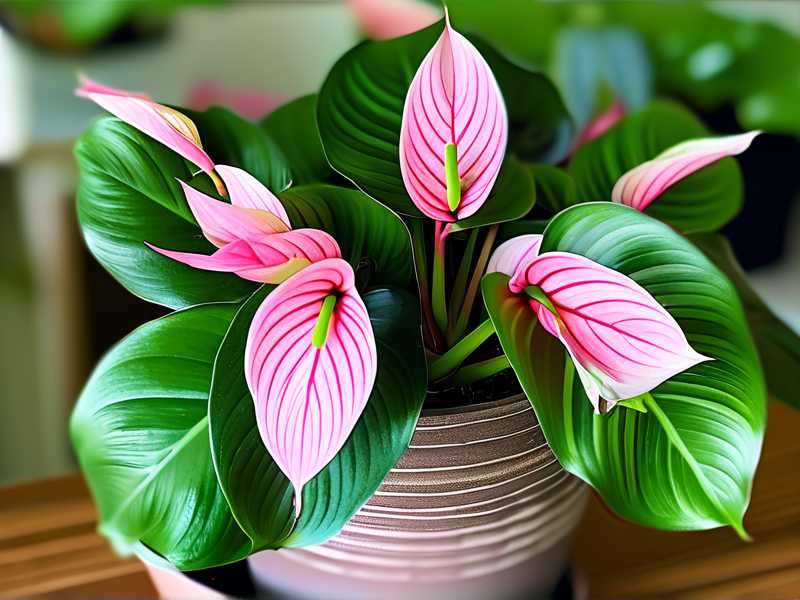
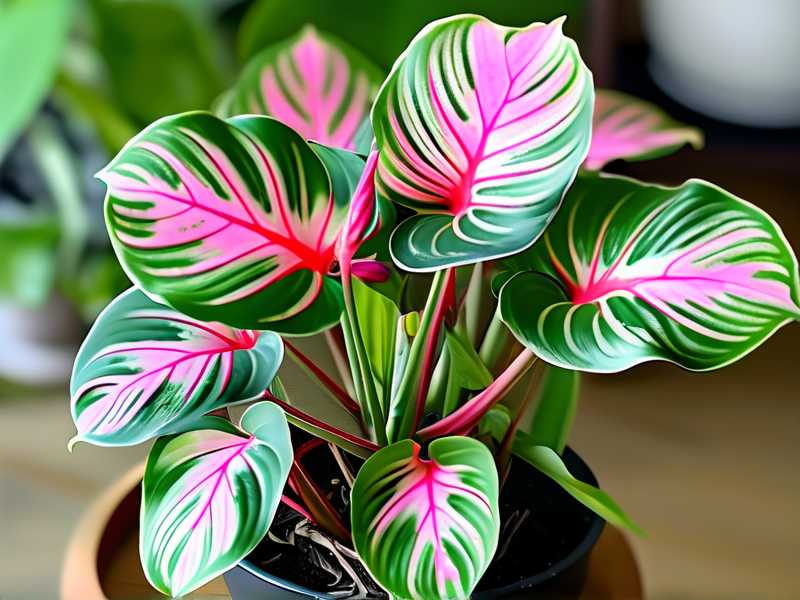
Before we dive into care routines, it’s crucial to understand what makes this plant special. The ‘Pink’ varieties, like ‘Pink Dalmatian’ or ‘Pink Valentine’, are prized for their stunning foliage. The pink variegation isn’t just for show; it means parts of the leaf lack the green pigment chlorophyll. According to principles outlined by the Royal Horticultural Society (RHS), plants with significant variegation often have slightly different needs than their all-green counterparts. They can be more sensitive to light because the colorful parts photosynthesize less efficiently. This foundational knowledge shapes every aspect of proper care.
Essential Care Requirements for a Thriving Plant
Getting the basics right is the first step to a spectacular, colorful plant. Here’s what I learned through hands-on experience.
Finding the Perfect Light Balance
This was my biggest hurdle. I initially placed my plant in a bright, south-facing window, thinking more light equaled more pink. I was wrong. After just three days, I noticed the leaves looked slightly washed out and the soil dried out too fast. The American Horticultural Society’s (AHS) heat zone guidelines remind us that direct sunlight can scorch delicate leaves.
I moved it to a spot with bright, indirect light about 4 feet from an east-facing window. For two weeks, I observed the change. The new, unfurling leaves showed more intense pink patterning, and the existing foliage regained its depth of color. The sweet spot is plenty of ambient light but no direct sunbeams touching the leaves. If your pink aglaonema’s variegation is fading, it likely needs a bit more light. If you see brown or yellow scorch marks, it’s getting too much direct sun.
Mastering the Art of Watering
Overwatering is the fastest way to harm your aglaonema. I learned this the hard way when I gave mine a “weekly drink” regardless of the soil’s condition. The lower leaves began to yellow—a classic sign of root distress.
I adopted the “finger test” method. I insert my finger about 2 inches into the soil. If it feels dry, I water thoroughly until it runs out of the drainage holes. If it’s still moist, I wait. During my two-week observation period in my home’s average humidity (around 40%), this meant watering approximately every 10-12 days. The key is to water deeply but infrequently, allowing the roots to access oxygen between waterings. A well-draining potting mix is non-negotiable here.
Creating a Comfortable Humidity Environment
While aglaonemas are more tolerant than some tropical plants, they appreciate humidity. My plant’s leaf tips started browning slightly, a sign our dry indoor air was a stressor. Instead of investing in a humidifier immediately, I tried a simple pebble tray. I placed the pot on a saucer filled with water and pebbles, ensuring the pot’s base stayed above the water line. As the water evaporates, it creates a microclimate of moisture. Within the two weeks, I observed no new brown tips on emerging leaves. Misting can help temporarily, but it’s the consistent ambient humidity from a tray or humidifier that makes a lasting difference.
Feeding for Vibrant Foliage
To support its beautiful variegated foliage, your plant needs nutrients. I use a balanced, water-soluble houseplant fertilizer diluted to half strength. During the active growing season (spring and summer), I feed it once a month. In fall and winter, I pause entirely. Over-fertilizing can burn roots and cause leaf discoloration, so “less is more” is a good rule. The pink coloration itself is genetic, but a healthy, well-fed plant will express those colors most vividly.
Advanced Tips for Optimal Growth and Color
Once you’ve nailed the fundamentals, these extra steps can help your pink aglaonema truly flourish.
Potting and Soil Mix Strategy
I repotted my plant after the first year. I chose a pot only one size larger, as too much soil retains excess water. My mix was two parts high-quality potting soil, one part perlite, and one part orchid bark for superb aeration and drainage. This mimics the well-draining conditions the plant’s roots crave and prevents waterlogging.
Pruning and Cleaning for Health
Regularly cleaning the leaves with a damp cloth removes dust, allowing the plant to breathe and photosynthesize efficiently. It also makes those pink patterns pop! I prune any yellowing or damaged leaves at the base of the stem using clean, sharp scissors. This directs the plant’s energy toward producing new, healthy growth. I also pinched off one very small, all-green shoot to encourage the plant to focus on its variegated stems.
Troubleshooting Common Problems
Even with great care, issues can arise. Here’s what I encountered:
- Brown Leaf Tips: This was my humidity issue. Increasing ambient moisture with the pebble tray solved it.
- Yellowing Lower Leaves: My initial overwatering caused this. Adjusting to the “finger test” method stopped the progression.
- Fading Pink Color: My first too-sunny spot caused this. Moving to bright, indirect light restored the vibrancy.
- Pests: I spotted a few mealybugs—tiny white cotton-like pests—on the undersides of leaves. I immediately wiped every leaf with a cotton swab dipped in rubbing alcohol, followed by a spray-down with insecticidal soap a few days later. Regular inspection is your best defense.
My Two-Week Observation and Adjustment Journey
I committed to a two-week period of meticulous observation after correcting my initial mistakes (too much sun, overwatering schedule). Here’s what happened:
- Days 1-3: After moving to indirect light and letting the soil dry properly, the plant looked stable but unchanged.
- Days 4-7: I noticed the soil’s drying rhythm was slower in the new location. A new leaf sheath began to emerge.
- Days 8-14: The new leaf unfurled, showing a noticeably richer pink marbling than the older, slightly faded leaves. No further yellowing occurred on older leaves, and the slight browning on one tip did not spread. The plant overall appeared perky and stable. This period proved that consistency in the corrected environment led to positive, observable results.
How often should I water my Variegated Aglaonema Pink? There’s no fixed schedule. Always check the soil first. Water only when the top 1-2 inches are completely dry, then water deeply. This could be every 7-10 days in a warm, bright summer and every 14-20 days in a cooler, dimmer winter.
Why are the pink colors on my aglaonema not very bright? Light is the most common factor. While direct sun burns, too little light causes the pink variegation to fade or the plant to produce greener leaves for more efficient photosynthesis. Move it to a spot with brighter, filtered indirect light to encourage more intense pink coloration.
Is the Variegated Aglaonema Pink pet-friendly? No. Like many in the Araceae family, aglaonemas contain calcium oxalate crystals, which are toxic if ingested by cats or dogs. It’s best to keep this beautiful plant out of reach of curious pets.
Caring for a Variegated Aglaonema Pink is a rewarding journey. It teaches patience, observation, and the subtle art of balancing a plant’s needs. By providing bright, indirect light, watering only when needed, boosting humidity, and feeding lightly, you’ll create the perfect environment for those stunning pink leaves to thrive. Start with the basics, observe your plant’s response closely, and adjust as you go. The vibrant, healthy growth you’ll see is the best reward for your efforts.





