 bluename
 How to Care for Aglaonema in Summer Without AC: A Plant Lover’s Survival Guide
Summer is here, and my air conditioner decided this was the perfect time to give up. As a devoted plant parent to a collection of Aglaonemas, or Chinese Evergreens, panic was my first reaction. These tropical beauties thrive in warmth, but everyone knows excessive summer heat without the relief of AC can spell disaster—leaf scorch, drooping, and a general meltdown. If you’re sweating and worrying about your leafy friends in a non-air-conditioned space, you’re not alone. I embarked on a two-week mission to keep my Aglaonemas not just alive, but thriving, through a sweltering summer. Here’s everything I learned, the mistakes I made, and the simple, effective strategies that worked.
Understanding Your Aglaonema’s Summer Stress Signals
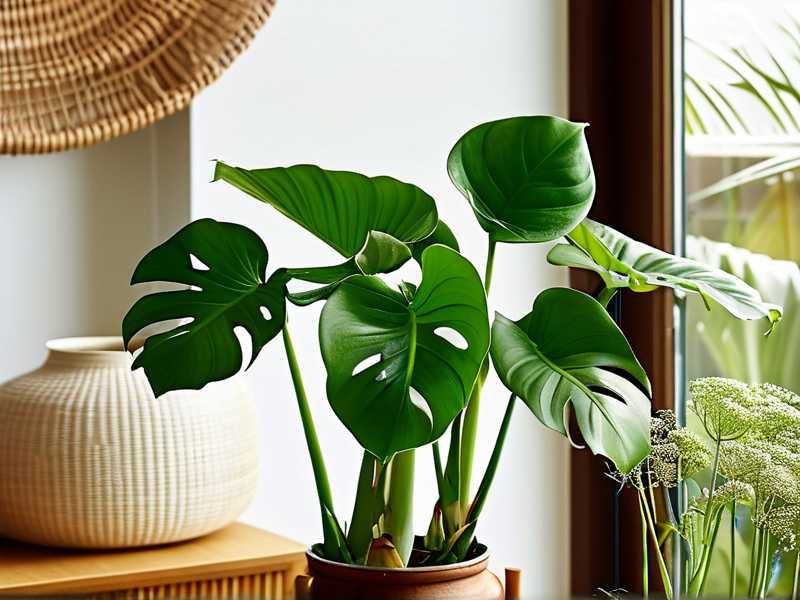
Before we dive into solutions, it’s crucial to recognize the cries for help. During my initial observation, I noticed subtle changes. The vibrant variegation on my ‘Silver Bay’ seemed duller. My usually perky ‘Red Siam’ had a slight, sad droop in the afternoon. These were the first signs of heat stress. According to the Royal Horticultural Society (RHS), while Aglaonemas enjoy temperatures between 65-80°F (18-27°C), prolonged exposure above 85°F (29°C), especially coupled with low humidity, forces the plant into survival mode. Growth stalls, and leaves lose moisture faster than roots can absorb it.
My core strategy revolved around three pillars: Mastering Humidity and Airflow, Perfecting the Summer Watering Rhythm, and Strategic Light and Location Management. Here’s my day-by-day, hands-on approach.
Week 1: The Foundation – Humidity and The Art of Air Movement
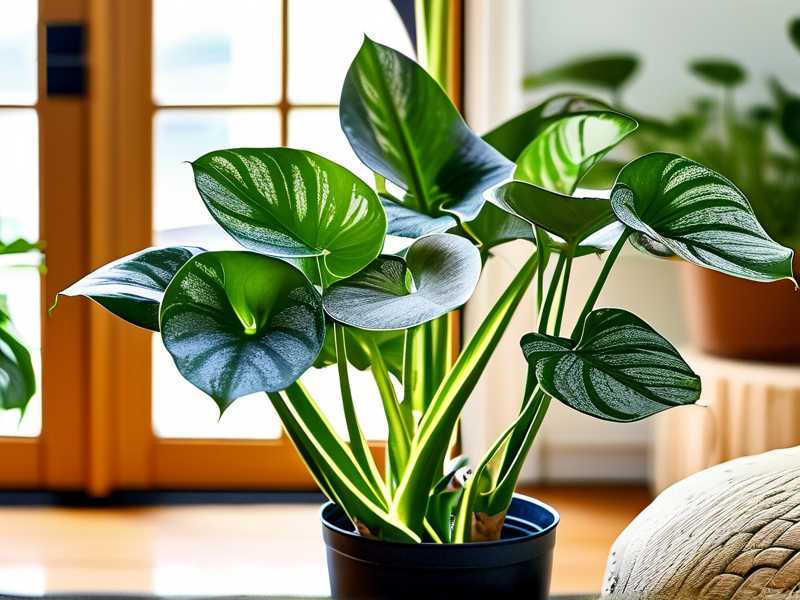
My apartment felt like a still, warm blanket. Static air is a silent killer in heat, promoting pest infestation and fungal issues.
Creating a Microclimate with Pebble Trays I grouped my Aglaonemas together on a large, shallow tray filled with water and pebbles. The pots sat on the pebbles, above the water line. As the water evaporates, it envelops the plants in a localized pocket of higher humidity. I refilled the tray every morning. Within three days, the slight leaf curl on my younger plant began to relax. This simple trick, often recommended by the American Horticultural Society (AHS), is a game-changer.
The Strategic Fan, Not a Wind Tunnel Here was my first big mistake. I placed a small oscillating fan directly facing my plant cluster, thinking more airflow equals better. Wrong. By day two, the leaves facing the fan started developing dry, brown tips—a classic sign of desiccation. I corrected course by pointing the fan at a wall near the plants, allowing for gentle air circulation in the room without creating a direct, drying draft. The goal is to mimic a soft, natural breeze, not a hurricane.
The Mist and Wipe Ritual Every other evening, I’d use a fine mist sprayer to lightly mist the air around my plants, avoiding heavy soaking of the leaves (which can invite disease in stagnant air). Then, with a soft, damp cloth, I’d gently wipe the leaves. This not only removed dust—allowing for better photosynthesis—but provided a momentary humidity boost and let me inspect for pests closely.
Week 2: Fine-Tuning – Water, Light, and the Great Location Hunt
With better air and humidity in place, I turned to the most critical and tricky aspect: watering.
Rethinking the “Stick Your Finger In It” Rule My usual “water when the top inch is dry” schedule became obsolete. In the intense heat, the top two inches were drying out in what felt like hours. Overwatering was a real risk if I reacted to surface dryness alone. I switched to the “heft test.” I lifted each pot to feel its weight. A light pot meant it was thirsty; a heavy one meant moisture remained below. I also used a wooden skewer, inserting it deep into the pot. If it came out with cool soil particles, I waited. This method prevented me from drowning the roots.
I found my Aglaonema watering needs in high heat were about 20-30% more frequent, but with a crucial caveat: thorough yet infrequent soaking. I watered deeply in the cooler early morning hours, allowing the plant to drink up before the day’s heat, and ensuring any excess could evaporate. Watering at night in heat can leave roots soggy and cold.
The Light Relocation Dance Direct summer sun through a window is brutal. I realized my east-facing window, perfect for winter, was now catching too much intense morning sun. I moved all my Aglaonemas back by about 3-4 feet, or to a north-facing windowsill. They now received abundant bright, but completely indirect, light. The care for Chinese Evergreen in hot weather is fundamentally about protecting it from direct solar rays, which can cook the leaves even indoors.
A Temporary Summer Diet I stopped all fertilizer applications. Fertilizing a stressed plant in extreme heat forces growth it cannot support, akin to asking someone to run a marathon in a sauna. The RHS advises suspending feeding during periods of pronounced heat stress, resuming only when temperatures moderate.
The 2-Week Verdict and Key Takeaways
After 14 days of this adjusted care routine, the transformation was clear. The drooping stopped. New, tight leaves were unfurling on my ‘Maria’. The overall color was richer. They looked resilient, not just surviving.
My biggest lessons?
- Airflow is crucial, but must be indirect. A fan is a tool for circulation, not direct cooling of the foliage.
- Water based on pot weight and deep soil moisture, not a calendar or just surface feel. This prevents both drought and root rot.
- Grouping plants and using pebble trays is a zero-cost, high-impact method to combat dry air.
- Be brave and move your plants. The right light in summer is often different from winter.
My Aglaonema’s leaves are developing brown, crispy edges. What’s wrong? This is almost certainly a combination of low humidity and possibly the aftermath of my fan mistake (direct draft). It can also be caused by inconsistent watering where the roots dry out too much between drinks. Increase ambient humidity with grouping or a pebble tray, ensure watering is thorough when you do water, and check for direct hot air from vents or fans.
How often should I really water my Aglaonema without AC in summer? I hesitate to give a specific number of days, as it depends on pot size, soil mix, and your specific room temperature. In my experience, it was approximately every 7-9 days instead of my usual 10-12. Let the plant tell you: use the weight test and the skewer test. When in doubt, wait another 12 hours and check again. It’s safer to be slightly under than over.
Can I put my Aglaonema outside for the summer? This is a common thought, but I’d advise extreme caution. Outdoor conditions introduce intense, unfiltered light, wind, and pest exposure. If you do, it must be in a fully shaded, sheltered patio spot, and you’ll need to acclimate it very slowly over a week or two. For most indoor Aglaonemas, it’s a risky move. Finding a cooler, bright spot indoors is usually a safer strategy for maintaining Aglaonema health in summer.
Caring for your Aglaonema through a hot summer without air conditioning is entirely possible. It asks for a shift from routine to observation. You become a detective, reading your plant’s signals and adjusting its micro-environment. By focusing on gentle air movement, boosting humidity, watering with mindful precision, and shielding it from harsh light, you’re not just preventing damage—you’re building a tougher, more adaptable plant. My two-week experiment proved that with a little extra attention, these stunning plants can weather the heat with grace.





