 bluename
 How to Fix Aglaonema Soft Stems: Harden Them and Save Your Plant
I’ll never forget the sinking feeling when I first poked the stem of my beloved Aglaonema ‘Silver Bay’. It wasn’t firm and upright like it used to be. Instead, it felt soft, almost mushy, like overcooked asparagus. That moment of panic is one I know many plant lovers face. Soft stems on your Chinese Evergreen aren’t just an eyesore; they’re a critical distress signal. If ignored, they lead to collapse, rot, and the heartbreaking loss of a plant you’ve nurtured. But here’s the good news: from that moment of panic, I embarked on a successful two-week rescue mission to harden those soft stems. This guide isn’t just theory; it’s my firsthand, step-by-step account of what actually worked, including the mistakes I made along the way.
Understanding Why Your Aglaonema Stems Are Turning Soft
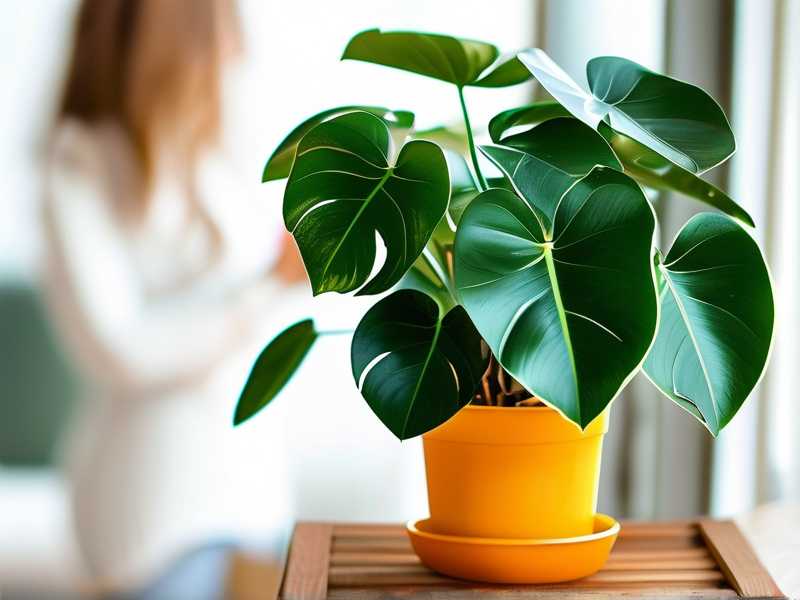
Before you can fix the problem, you need to play plant detective. Soft stems are a symptom, not the disease itself. Through my experience and consulting resources from the Royal Horticultural Society (RHS), I pinpointed the three most common culprits. Correctly identifying which one you’re dealing with is 90% of the battle won.
The Primary Cause: Chronic Overwatering and Root Rot This was my mistake. I loved my plant a little too much… with water. Aglaonemas store water in their stems, but when the roots sit in soggy soil, they suffocate and begin to rot. This rot then travels up the stem, destroying its structural integrity. The stem softens because the tissue is literally dying. The American Horticultural Society (AHA) emphasizes that overwatering is the single most common killer of houseplants, and Aglaonemas are no exception. Signs include consistently wet soil, yellowing lower leaves, and a foul smell from the pot.
Secondary Culprits: Underwatering and Environmental Stress Paradoxically, severe underwatering can also cause soft, limp stems as the plant depletes all its internal moisture reserves. However, this is less common than overwatering. More frequently, environmental factors like prolonged exposure to cold drafts (below 60°F/15°C) or a severe lack of light can weaken the plant, making stems prone to softening and drooping.
My 2-Week Rescue Plan: Step-by-Step to Harden Aglaonema Stems
I committed to a daily routine for 14 days. Consistency is non-negotiable here.
Week 1: The Critical Intervention Phase
Day 1-2: The Unpleasant Truth – Unpot and Inspect Gently removing my Aglaonema from its pot was the revealing moment. The soil was clumpy and wet, and several roots were dark brown and slimy—classic root rot. Healthy roots should be firm and white or tan.
- Action Taken: I carefully rinsed the root ball under lukewarm water to remove all old soil. With sterilized scissors, I snipped away every soft, rotten root and any stems that were severely mushy. I cut back about one-third of the foliage to reduce stress on the reduced root system.
- The Mistake & Fix: My first cut wasn’t deep enough. I learned you must cut back to firm, healthy tissue on the stem, even if it means taking more. I re-sterilized my shears and cut further down until the stem cross-section showed clean, green-white tissue.
Day 3-5: The Fresh Start – Repotting for Success A new pot with proper drainage is crucial. I chose a clean pot only 1-2 inches larger than the remaining root ball.
- Action Taken: I used a well-draining, chunky aroid mix—a combination of potting soil, perlite, and orchid bark (about a 50:50 soil to aeration ratio). I repotted the plant, firming the mix gently around the roots, and watered it lightly just to settle the soil. The plant went into a spot with bright, indirect light—no direct sun, which would add stress.
- The Mistake & Fix: I initially placed it in a room that got chilly at night. I noticed leaf curl within a day. I immediately moved it to a consistently warm spot (70-80°F / 21-27°C), and it stabilized.
Day 6-7: The Waiting Game – Mastering Moisture I did not water again. I used my finger to check soil moisture daily. The top 2-3 inches stayed slightly damp from the initial settling water. The goal was to let the roots seek out moisture and heal in an airy medium.
Week 2: The Recovery and Observation Phase
Day 8-10: Signs of Life or New Problems? This is when anxiety peaks. One remaining stem still felt a bit soft, and I feared I hadn’t cut enough. However, the other stems felt stable—no softer. A key tip: stop squeezing the stems daily! You’ll obsess over tiny changes. Instead, I looked for new signs: had the softness spread? (It hadn’t). Were the remaining leaves perking up? (They were).
- Action Taken: I resisted the urge to water. The soil was still moist an inch down. I gently wiped the leaves to ensure optimal photosynthesis.
Day 11-14: The First Drink and Assessing Firmness On day 11, the top 3 inches of soil were completely dry. I gave the plant a thorough but careful watering, allowing excess water to drain freely from the bottom. This was the test.
- The Result: Over the next three days, I watched closely. The previously soft stem didn’t worsen. In fact, by day 14, it felt noticeably firmer to the touch. The plant hadn’t magically regrown, but the progression of softness had completely halted. The stems were hardening. This was the confirmation that the root rot was stopped and the plant was using its energy to repair.
How to Prevent Soft Stems from Ever Returning
Fixing the problem is half the journey. Keeping your Aglaonema stems hard and healthy requires a change in habits.
Perfecting Your Watering Technique I abandoned my calendar-based watering. Now, I water only when the top 1-2 inches of soil are dry. For my mix, this means a deep, thorough watering every 10-14 days, depending on the season. The “soak and dry” method is your best friend.
Optimizing Light and Environment I moved my plant to a spot with consistent, medium to bright indirect light. Aglaonemas can survive in low light, but they thrive and maintain stronger stems in brighter light. I also ensured it was away from AC vents and drafty windows to prevent temperature shock.
Choosing the Right Soil and Pot I will never use dense, moisture-retentive potting soil again for my aroids. The chunky, airy mix I used for recovery is now my standard. I am also a firm believer in pots with multiple drainage holes.
Why are the stems on my Aglaonema still soft after repotting? If the stems continue to feel mushy or get worse after a week, it’s likely that the rot was more extensive than initially seen. The plant may require a second, more aggressive surgery to remove all affected tissue, or in some cases, propagation from healthy stem cuttings may be the only solution to save the plant’s genetics.
Can I use fertilizers or supplements to harden the stems? Do not fertilize a plant recovering from root rot for at least 2-3 months. Fertilizer salts can burn damaged roots and add stress. Focus on perfecting water, light, and airflow first. Once the plant is actively pushing new growth, you can begin a diluted, balanced feeding regimen.
Is it possible to save an Aglaonema if all stems are soft? If the main crown and all stems are completely soft and rotten, saving the original plant may not be possible. However, if there are any healthy, firm leaf nodes or stem sections left, you can attempt to propagate them in water or sphagnum moss. This was my backup plan, and it’s a valuable technique every plant owner should know.
Watching my Aglaonema’s stems firm up over those two weeks was incredibly rewarding. It taught me that plants are resilient when given the correct care. The journey from soft, unstable stems to a hardened, recovering plant hinges on swift diagnosis, brave action, and patient, consistent aftercare. By understanding the root cause—often literally in the roots—and adjusting your environment, you can not only fix this issue but also cultivate a stronger, more beautiful Aglaonema for years to come.





