 bluename
 How to Fix Aglaonema Partial Wilting Issues: A Plant Parent's Recovery Guide
There's a special kind of panic that sets in when you notice your beloved Aglaonema, once lush and perky, starting to show partial wilting issues. One leaf droops sadly, then another, while the rest of the plant seems oddly fine. It’s not a full-blown collapse, but a clear, distressing signal that something is off-balance. I’ve been there, staring at my favorite Chinese Evergreen, feeling a mix of concern and determination. Over the years, and through a particularly challenging two-week rescue mission with a ‘Silver Bay’ Aglaonema, I’ve learned that fixing Aglaonema wilting is a diagnostic puzzle. The solution isn’t a single magic trick, but a systematic process of elimination and care. Let me walk you through the exact steps I took, the mistakes I made, and the recovery I witnessed, so you can bring your own plant back to vibrant health.
Understanding Why Your Aglaonema is Wilting (Partially)
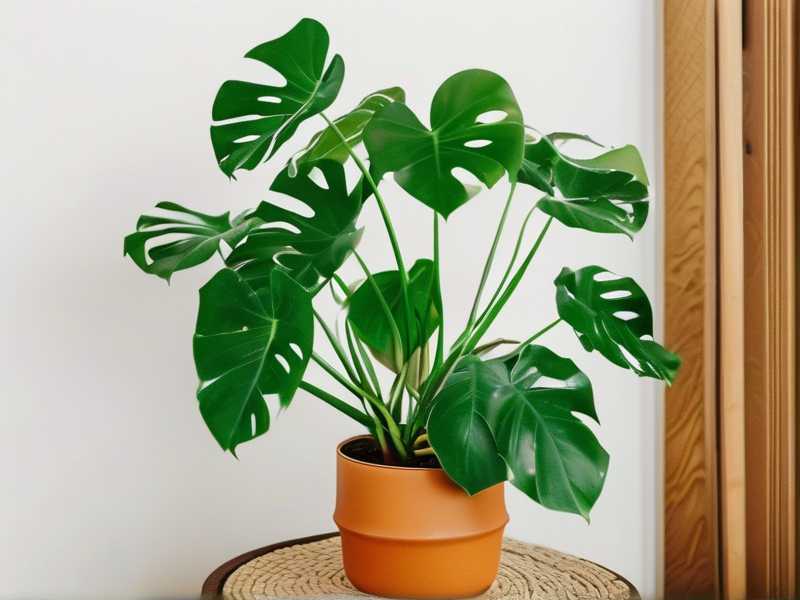
Before you can fix the problem, you need to understand it. Partial wilting is intriguing because it tells us the issue is localized or affecting the plant’s systems unevenly. It’s rarely just “thirsty.” Based on my experience and consultations with resources from the American Horticultural Society (AHS), the main culprits usually fall into a few key areas: water stress (both over and under), root health, light and temperature shocks, and pest-related damage. The wilting is a symptom; our job is to be plant detectives and find the root cause.
My Diagnostic Journey: The Two-Week Rescue Protocol
When my ‘Silver Bay’ began wilting on one side, I committed to a careful, observant process. Here’s exactly what I did, step by step.
Week 1: The Investigation and Initial Intervention
Step 1: The Immediate Soil and Root Check My first move was to assess the soil moisture. I didn’t just touch the top; I inserted my finger deep into the pot near the wilting side and the healthy side. The soil felt consistently damp, even though I had watered a week prior. This was my first red flag for potential overwatering. I gently tipped the pot and inspected the drainage holes. No roots were visible, but the soil seemed compacted.
- The Mistake I Made: I almost watered it again, assuming the wilting was from dryness because the top inch was slightly dry. This could have been catastrophic.
- The Fix: I held off on watering and decided a root inspection was necessary.
Step 2: The Delicate Root Ball Examination Knowing the soil was too wet, I carefully removed the entire plant from its pot. The moment I saw the roots, the problem became clear. While the top of the plant showed partial wilting, the bottom told a fuller story: about 40% of the root system was brown, mushy, and had a faint unpleasant smell—classic root rot. However, crucially, the other 60% of the roots were still firm and white or light tan. This explained the partial nature of the wilting; the rotting roots were likely clustered, affecting specific stems.
Step 3: Executing the Root Rescue Operation Here’s where hands-on action began. I gathered clean scissors (wiped with rubbing alcohol), fresh well-draining potting mix (I used an aroid blend with extra perlite), and a clean pot.
- I gently rinsed the root mass to remove the old, soggy soil.
- With precision, I snipped away every single soft, rotten root back to healthy, firm tissue. This felt drastic, but it’s essential.
- I let the root system air-dry on a paper towel for about an hour. This helps callous over the cuts and prevents immediate reinfection.
- I repotted into the fresh, airy mix, ensuring the plant was at the same depth as before. I did not water it immediately.
Step 4: The Post-Repotting Environment Setup I placed the repotted Aglaonema in a location with bright, indirect light—away from its previous spot which received a brief period of direct afternoon sun. I ensured it was in a room with stable temperatures between 65-80°F (18-27°C), away from air conditioning vents or drafts, which can cause wilting in Chinese Evergreens. According to principles echoed by Royal Horticultural Society (RHS) advice, reducing environmental stress after root trauma is key to recovery.
End of Week 1 Observation: The partially wilted leaves remained droopy. No improvement yet, but no further decline either. This was expected; the plant was focusing energy on root recovery.
Week 2: Monitoring, Adjusting, and Signs of Hope
Step 5: The First Careful Watering After 5 days post-repotting, I checked the soil moisture deep in the pot. It was almost completely dry. I gave the plant a thorough but careful watering until water just trickled from the drainage holes, ensuring no water sat in the saucer. This deep drink aimed to encourage the remaining healthy roots to seek out moisture.
Step 6: Introducing Supportive Humidity Aglaonemas love humidity, and a stressed plant benefits greatly from it. Instead of misting (which can promote leaf fungus), I placed the pot on a pebble tray filled with water. This created a localized humid microclimate without wetting the leaves or soil.
Step 7: The Painful Pruning Decision By day 10, two of the most severely wilted leaves began to yellow. They were not recovering. I made the tough choice to prune them off at the base of the stem using clean shears. This redirected the plant’s finite energy away from trying to save lost causes and towards pushing new growth.
End of Week 2 Observation: A breakthrough! The remaining slightly wilted leaves began to firm up and lift. Most importantly, I spotted a tiny, tightly rolled new leaf spear emerging from the center of the plant. This was the definitive sign my Aglaonema care for drooping leaves protocol was working. The plant had stabilized and was beginning its comeback.
Key Lessons and How to Address Other Common Causes
My case was primarily overwatering and root rot. But your partial wilting issues might have a different origin. Here’s how to diagnose and address them.
If the Problem is Underwatering: Wilting from thirst often affects the whole plant more uniformly, but can start in the sunniest or most exposed parts. The soil will be bone-dry. The fix is a thorough, deep watering. You may need to bottom-water by placing the pot in a sink with a few inches of water for 30 minutes if the soil has become hydrophobic. The plant should perk up noticeably within hours.
If the Problem is Light or Temperature Stress: Sudden changes can cause wilting. A draft from a cold window or a blast of hot, dry air from a heater can shock leaves on one side. Similarly, too much direct sun can scorch and wilt leaves. The fix is to find a stable location with consistent, bright, indirect light and comfortable room temperatures. Move the plant gradually to new light conditions.
If the Problem is Pests (Like Spider Mites): These tiny pests often attack the undersides of leaves, causing stippling, yellowing, and localized wilting. Inspect closely, especially along the veins. The fix involves isolating the plant, wiping leaves with a damp cloth, and treating with insecticidal soap or neem oil, repeating weekly until gone.
Preventing Future Wilting Episodes
The best fix is prevention. Now, I follow a disciplined routine:
- Water by Weight, Not Schedule: I lift my pots. A light pot needs water; a heavy one doesn’t.
- Prioritize Drainage: I only use pots with drainage holes and chunky, well-aerated soil.
- Consistency is Key: I keep my Aglaonemas in their preferred stable environment year-round.
- Regular Check-ups: A quick monthly glance at leaves (top and bottom) and soil helps catch issues early.
Why are only the new leaves on my Aglaonema wilting? This often points to a root issue or sudden environmental change affecting tender new growth. Check your watering habits first—consistent moisture is crucial for developing leaves. Ensure the plant isn’t in a draft or receiving a shock from fertilizer applied too close to new growth.
I fixed the watering, but the wilted leaves are still droopy. Should I remove them? Patience is vital. If a leaf is partially green and only mildly wilted, give it a week or two to see if it recovers after the core issue is resolved. If it turns fully yellow, brown, or becomes mushy, prune it cleanly at the stem base to help the plant focus its resources.
Can a Aglaonema recover fully from severe partial wilting? Absolutely. Aglaonemas are remarkably resilient. Even if you lose several leaves, as long as the root system is healthy or can be rehabilitated and the main stem is intact, the plant will redirect its energy. You’ll see new growth emerge, often within a few weeks of correcting the problem. The key is persistent, correct care after the initial rescue.
Watching my Aglaonema rebound over those two weeks was a powerful lesson in plant resilience and attentive care. Partial wilting is a cry for help, not a death sentence. By methodically checking the roots, correcting the soil and water balance, and providing a stable, supportive environment, you give your plant the strongest possible chance to recover. Remember, the goal isn’t just to save the plant today, but to understand its language so you can foster its health for years to come. Your thriving, perky-leaved Aglaonema will be the best reward.





