 bluename
 How to Care for Aglaonema For Vibrant Foliage: A Plant Lover’s 2-Week Journey
You brought home a stunning Aglaonema, or Chinese Evergreen, with its beautiful patterned leaves, only to watch it slowly lose its luster. The vibrant foliage you fell in love with starts to fade, maybe a leaf yellows here, a brown tip appears there. You’re left wondering, “What am I doing wrong?” I’ve been there. As a hands-on plant enthusiast, I’ve learned that unlocking consistently vibrant Aglaonema foliage isn’t about complex rituals, but about mastering a few key, non-negotiable aspects of its care. In this guide, I’ll walk you through the exact steps I followed, the mistakes I made, and the tangible results I observed over a focused two-week period to transform my Aglaonema’s health.
My journey began with a ‘Silver Bay’ Aglaonema that was looking decidedly dull. Its signature silvery-green variegation was muted, and it had stopped pushing out new growth. I was determined to turn it around. Here’s my actionable plan, rooted in both research and real-world trial.
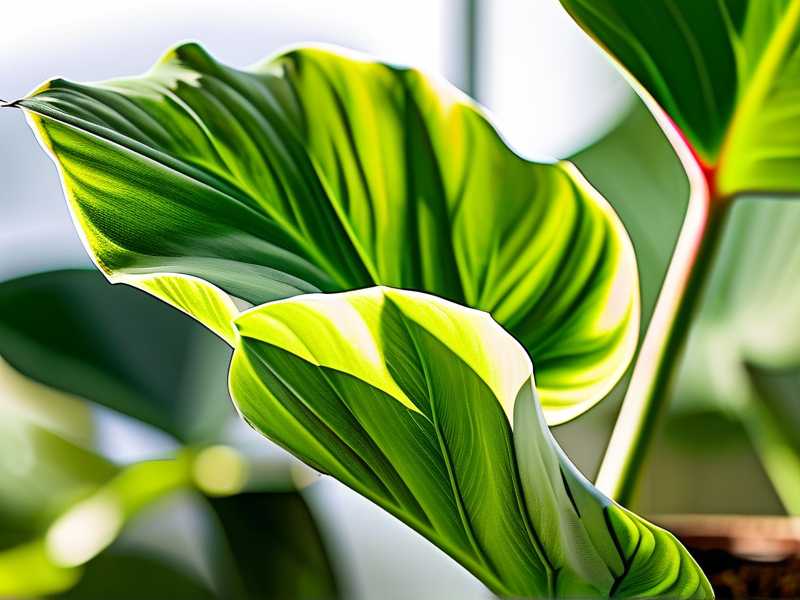
Understanding Your Aglaonema’s Core Needs
Before diving in, it’s crucial to know what makes this plant tick. Aglaonemas are celebrated for their resilience and ability to tolerate lower light, but “tolerate” is not the same as “thrive.” For truly vibrant leaves, we need to move beyond mere survival. According to the Royal Horticultural Society (RHS), Aglaonemas are understory plants in their native tropical Asia, meaning they prefer bright, indirect light, consistent warmth, and high humidity. The American Horticultural Society (AHS) emphasizes that proper watering—allowing the soil to partially dry—is critical to prevent root rot, the number one killer of houseplants. With this authority-backed framework in mind, I began my intervention.
The Two-Week Revival Protocol: Light, Water, and Humidity
I committed to a strict, observant routine for 14 days, tracking changes daily in a simple journal.
Week 1: Correcting the Foundation
My first step was a comprehensive Aglaonema health assessment. I gently inspected the leaves for pests, checked the soil moisture deep down with my finger, and evaluated its location.
- The Light Revolution: My plant was in a “low-light” corner, which it was surviving in, but not thriving. I moved it to a spot about 6 feet away from a north-east facing window. This provided bright, indirect light all morning without any harsh sunbeams touching its leaves. The change was subtle but crucial.
- Mastering the Watering Technique: Here’s where I had been failing. I was watering on a weekly schedule. I stopped. Instead, I adopted the “finger test.” I would insert my finger into the soil up to the second knuckle. Only when the top 1-2 inches felt completely dry would I water. For my medium-sized pot, this meant a thorough soak until water ran freely from the drainage holes, ensuring the entire root ball was hydrated. I then emptied the saucer beneath to prevent “wet feet.”
- The Humidity Boost: My home’s air was dry, around 30% humidity. I placed my Aglaonema on a wide pebble tray filled with water. As the water evaporates, it creates a localized humid microclimate around the plant. I also grouped it with a few other plants, which collectively raise humidity through transpiration.
By Day 7, I observed the first signs of improvement. The existing leaves looked perkier, less limp. The deep green parts of the foliage seemed richer. Most promisingly, I noticed a tiny, tightly furled new leaf spear emerging from the center of the plant—a sure sign it was happy.
Week 2: Refinement and Observation
Encouraged, I continued the routine and added one more element.
- Cleaning the Leaves: Dust blocks light. Using a soft, damp cloth, I gently wiped down each leaf. The difference was immediate! The variegation on my ‘Silver Bay’ literally sparkled, allowing it to photosynthesize more efficiently. This simple act is a game-changer for maintaining vibrant Aglaonema leaves.
- Consistency is Key: I resisted the urge to move the plant or change anything else. I simply monitored the soil moisture and kept the pebble tray filled.
The 14-Day Result: The transformation wasn’t dramatic, but it was profoundly clear. The new leaf had unfurled significantly, showing brilliant, crisp variegation. The overall plant posture was upright and confident. The dull, dusty look was gone, replaced by a healthy, waxy sheen. The plant had visibly shifted from a state of stagnation to active, vibrant growth.
The Pitfalls I Encountered (And How You Can Avoid Them)
My path wasn’t perfect. I made a critical error in Week 1 that taught me a valuable lesson.
The Overwatering Panic: After the first deep watering following the “finger test,” one of the older, lower leaves developed a yellow patch after three days. I panicked, thinking I had caused root rot. My mistake was reacting too quickly. I learned that sometimes, an older leaf will yellow and die off naturally as the plant redirects energy to new growth. I waited, continued my correct watering routine, and monitored. The yellowing did not spread to other leaves. After a week, I cleanly snipped it off. The rest of the plant continued to improve. The lesson? Don’t let one yellow leaf cause you to abandon a sound care plan. Observe the whole plant’s response.
Sustaining Vibrant Foliage Long-Term
The two-week protocol laid the foundation. For long-term success, a few additional practices are essential.
Feeding for Lush Growth: After my observation period, I began a monthly feeding regimen during the growing season (spring and summer). I use a balanced, diluted liquid fertilizer (like a 10-10-10). A half-strength dose is plenty to support healthy Aglaonema growth without risking fertilizer burn.
The Right Soil and Potting: When it’s time to repot (I do this every 2-3 years, or when roots circle the pot), I use a well-draining, airy potting mix. A standard houseplant soil amended with perlite and orchid bark works perfectly. This ensures the roots get oxygen and prevents waterlogging.
Common Aglaonema Questions, Answered
- Why are the tips of my Aglaonema leaves turning brown? This is almost always a sign of low humidity or inconsistent watering. It could also be from fluoride or chlorine in tap water. I now use filtered or distilled water for my plants, and maintaining higher humidity with the pebble tray has virtually eliminated brown tips.
- Can my Aglaonema really survive in low light? Yes, it can survive, but its growth will be very slow, and the variegation (those beautiful patterns) will often fade, resulting in more solid green, less vibrant leaves. For the best color and steady growth, bright, indirect light is the secret.
- How often should I water my Chinese Evergreen? Throw away the calendar. The frequency depends entirely on your home’s light, temperature, and humidity. The only reliable method is the soil moisture check. For most environments, this will translate to watering every 1-2 weeks, but always let the plant’s soil tell you when it’s time.
Caring for an Aglaonema for vibrant foliage is a deeply rewarding practice. It teaches patience, observation, and responsiveness. By focusing on the pillars of correct light, disciplined watering, and boosted humidity, you provide the foundation for a spectacularly healthy plant. My two-week experiment proved that even a struggling Aglaonema can rebound quickly with consistent, informed care. The vibrant, patterned leaves are not just decoration; they are a living testament to the simple, right practices you provide. Start with the basics, observe your plant like a friend, and you’ll be rewarded with a lush, vibrant companion for years to come.





