 bluename
 How to Care for Aglaonema in Direct Sunlight: A Real-World Survival Guide
I love my Aglaonema, or Chinese Evergreen. Its stunning, painted leaves brought a vibrant calm to my living room corner. But when I moved to a sun-drenched apartment, I faced a dilemma I know many plant lovers share: how to care for Aglaonema in direct sunlight. The common wisdom is clear—"bright, indirect light only." But what if that’s not an option? Is direct sun always a death sentence? I decided to run a two-week experiment with one of my most resilient Aglaonema ‘Silver Bay’ plants to find practical, real-world solutions.
My goal wasn’t to defy plant physiology but to understand it. Through trial, error, and careful observation, I learned how to mitigate the harsh effects of direct rays. If your windows are sunny and your space is limited, this guide from one plant enthusiast to another will show you the steps, the pitfalls, and the surprising adaptations that can help your Aglaonema not just survive, but potentially thrive.
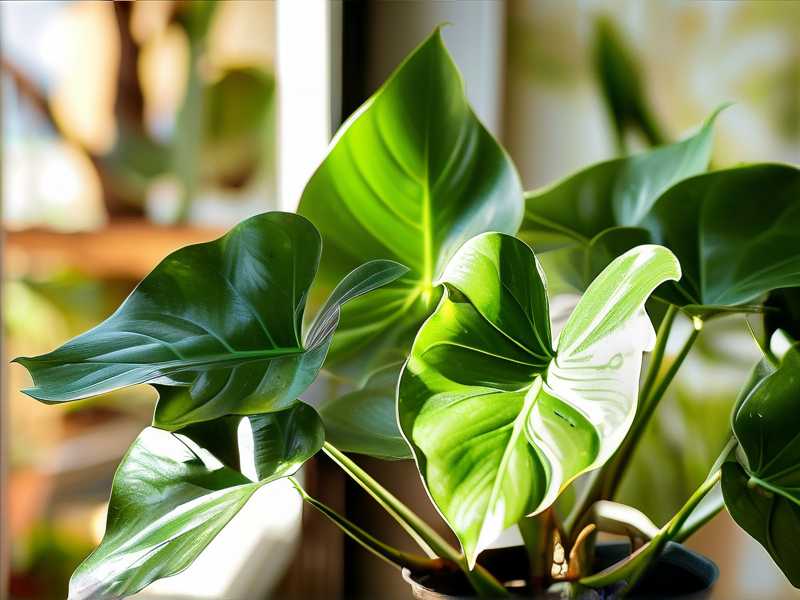
Understanding the Sun’s Impact: Why Aglaonema Fades in Direct Light
To solve a problem, you must first understand it. Aglaonemas are native to the forest floors of tropical Asia. They evolved under a dense canopy, receiving dappled, filtered light. Their beautiful, broad leaves are optimized for capturing low light, not for withstanding the intense, focused energy of direct sun.
When placed in direct sunlight for Aglaonema, several things happen rapidly. The most immediate is leaf scorch. This appears as crispy, brown patches or bleached, pale yellow spots on the foliage, often starting at the tips and margins. It’s a literal sunburn. The plant loses chlorophyll in those areas, impairing its ability to photosynthesize. Furthermore, excessive light accelerates transpiration (water loss through leaves), putting the root system under severe stress to keep up, leading to wilting and drought stress even if the soil is moist.
The Royal Horticultural Society (RHS) categorizes Aglaonema as suitable for “partial shade” and explicitly warns against direct summer sun, which can cause leaf scorch. This isn’t just anecdotal advice; it’s backed by an understanding of the plant’s fundamental needs.
My Two-Week Direct Sunlight Experiment: Step-by-Step
I selected a healthy Aglaonema ‘Silver Bay’ and placed it in an east-facing window that received about 2-3 hours of gentle morning sun, followed by bright indirect light for the rest of the day. This was my “control” scenario. For the experiment, I moved an identical ‘Silver Bay’ to a south-west facing window, where it was exposed to 4-5 hours of intense afternoon sun. Here’s what I did, what I saw, and how I adjusted.
Week 1: Acclimatization and Initial Signs of Stress
My first step was not to throw the plant into the deep end. I began the Aglaonema direct sun exposure during the gentler morning hours for just one hour on day one, gradually increasing by 30 minutes every two days. Even with this caution, signs appeared quickly.
- Day 3: I noticed the leaves felt warmer to the touch compared to the control plant.
- Day 5: The rich green background of the leaves on the sun-exposed plant began to look slightly washed out, or “bleached.” The silver variegation seemed less vibrant.
- Day 7: The first physical damage emerged. The tip of one older leaf developed a small, crispy brown edge.
The First Pitfall and Fix: Hydration is Everything I had been watering both plants on the same schedule. This was my mistake. The plant in direct sun was drying out its soil mix twice as fast. The wilting I saw mid-week wasn’t just light stress; it was underwatering compounded by extreme transpiration.
Solution: I immediately switched to checking soil moisture daily by sticking my finger an inch into the soil. For the sun-exposed plant, I watered when the top inch felt dry, which was every 4-5 days, compared to every 8-9 days for the control. I used room-temperature water and ensured thorough drainage to avoid simply creating soggy, stressed roots.
Week 2: Intervention and Observation
With the watering issue corrected, the plant stabilized somewhat, but the light stress was still evident. The bleaching effect became more pronounced. This is where I introduced mitigation strategies.
Strategy 1: The Filtered Light Solution Sheer curtains became my best friend. I installed a lightweight, white shear curtain between the plant and the window. This simple act transformed the harsh direct sunlight for Chinese Evergreen into a bright, diffused glow. The difference was palpable within 48 hours. The leaves no longer felt hot, and the plant stopped developing new brown tips.
Strategy 2: Strategic Repositioning I moved the plant about 18 inches back from the window pane. Instead of being in the line of fire, it was now in a spot that received very bright light but where the sun’s rays didn’t directly hit its foliage for prolonged periods. This “bright indirect” zone in a sunny room is the true sweet spot.
The Result After 14 Days: The experimental Aglaonema survived, but it bore the scars of the journey. It had two visibly scorched leaf tips and its overall coloration was less deep than its sibling in the east window. However, it showed no signs of dropping leaves and even hinted at a new, compact growth point emerging. It had adapted, albeit at a cosmetic cost. The control plant, unsurprisingly, looked lush and perfect.
Key Strategies for Managing Aglaonema in Sunny Spots
Based on my experiment, here is your actionable playbook for caring for Aglaonema in sunny conditions.
1. Master the Art of Light Filtering Direct sun is about intensity. Your job is to diffuse it.
- Use Sheer Curtains: This is the most effective and aesthetically pleasing method.
- Apply Window Film: Static-cling frosted or tinted films can cut UV and intensity without darkening the room.
- Employ a Shade Cloth: For a dedicated plant shelf in a sunroom, a small piece of 30-40% shade cloth works wonders.
2. Optimize Your Watering Routine This is non-negotiable. Aglaonema sun tolerance is directly linked to hydration.
- Check Moisture Frequently: The “finger test” is your most reliable tool. Do not rely on a fixed schedule.
- Ensure Excellent Drainage: Use a pot with drainage holes and a well-aerated potting mix. Soggy soil + sun stress is a root-rot invitation.
- Consider Pot Material: Terracotta pots dry out faster. In very sunny, hot spots, a glazed ceramic or plastic pot might help maintain more consistent moisture (but be extra vigilant about overwatering).
3. Boost Ambient Humidity Dry air from sun-heated rooms exacerbates moisture loss. The American Horticultural Society (AHS) notes that many tropical foliage plants, including Aglaonema, appreciate elevated humidity for optimal leaf health.
- Group Plants Together: Creates a beneficial microclimate.
- Use a Pebble Tray: Place the pot on a tray filled with water and pebbles, ensuring the pot sits above the water line.
- Run a Humidifier: The most effective method for raising room-wide humidity.
4. Choose Your Cultivar Wisely Not all Aglaonemas are equal. Darker green varieties like ‘Maria’ or ‘Emerald Beauty’ have more chlorophyll and can theoretically handle slightly brighter light than highly variegated types like ‘Pink Valentine’ or ‘White Joy,’ whose pale leaves burn easily. However, even dark types have their limits with direct sun.
What are the immediate signs my Aglaonema is getting too much direct sun? Look for leaf scorch (crispy, brown patches), bleaching (loss of rich green color, leaving pale yellow or washed-out areas), and leaves that feel unusually warm or are curling inwards to reduce surface area. Wilting despite moist soil is another key indicator.
Can an Aglaonema ever adapt to direct sunlight? It can adapt to very bright light with meticulous care, but true, unfiltered direct sun—especially hot afternoon sun—will almost always cause some degree of damage. The goal is to provide the brightest possible indirect light. Acclimatization is a very slow, gradual process of increasing exposure, but the risk of scorch remains high.
My Aglaonema got sunburned. What should I do now? First, relocate it immediately to a bright spot with no direct sun. Do not remove the scorched leaves immediately unless they are completely dead; the green parts can still contribute energy. Trim off only the crispy brown tips or sections with clean scissors for aesthetics. Review and adjust your watering to ensure the plant is adequately hydrated as it recovers. The sunburn scars are permanent, but new growth will be healthy if conditions are corrected.
Success with an Aglaonema in a sunny home is about intelligent management, not brute force. It requires you to become an observer, interpreting the subtle cues your plant gives you. Filter the light, water with mindful precision, and boost the humidity. My two-week test proved that while the “bright, indirect light” rule exists for a very good reason, with proactive intervention, you can carve out a healthy space for your Chinese Evergreen even in a sun-filled room. The goal is a vibrant, healthy plant, not one that is merely surviving its environment. Listen to the leaves—they will tell you exactly what they need.





