bluename
 How to Care for Aglaonema Without a Humidifier
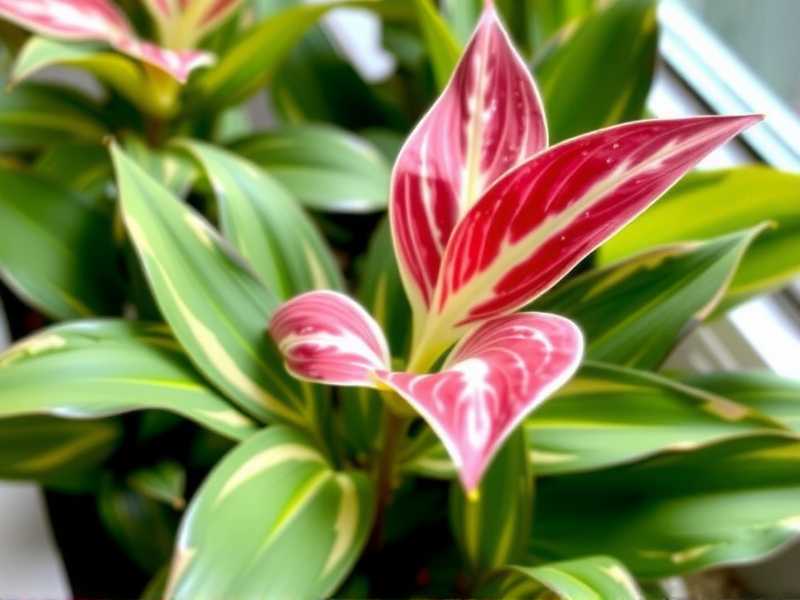
Worried your beautiful Chinese Evergreen is suffering in dry air? Many plant lovers believe that caring for Aglaonema requires constant misting or an expensive humidifier. This common misconception can lead to overwatering, fungal issues, and unnecessary stress for both you and your plant. The good news is that Aglaonema, or the Chinese Evergreen, is far more adaptable than we give it credit for. With the right strategies, you can successfully nurture a thriving Aglaonema in average home humidity. This guide will show you practical, effective methods to maintain plant health without relying on extra gadgets.
Understanding Your Aglaonema’s True Needs
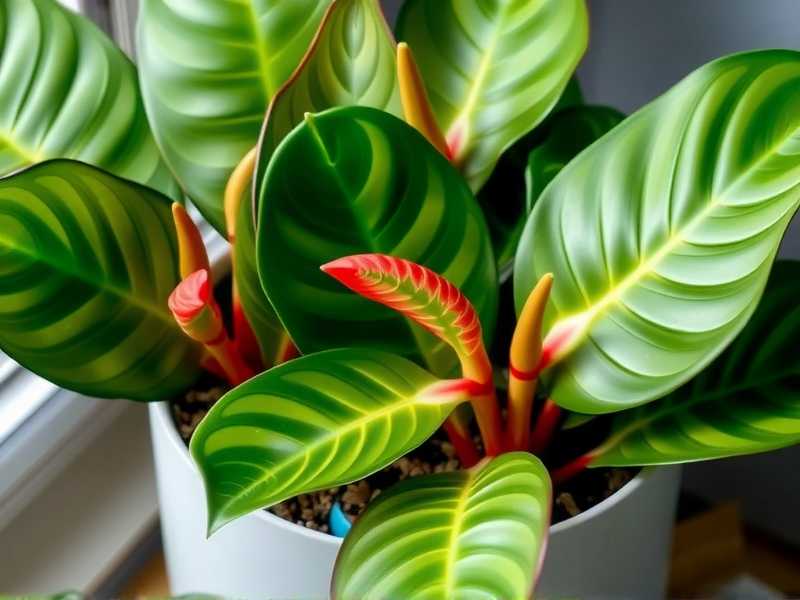
Before we dive into solutions, let's clarify what humidity means for your plant. Humidity is the amount of water vapor in the air. While Aglaonemas naturally enjoy tropical environments, they have evolved as understory plants, making them remarkably tolerant of lower light and fluctuating conditions. Their primary need is consistent, moderate moisture at the root level—not necessarily in the air. Focusing solely on air humidity overlooks the more critical aspects of their care.
The real goal is to prevent the leaf tips from turning brown and to support lush, vibrant growth. This can be achieved by mastering a holistic approach to your plant's environment.
Mastering the Art of Watering
Perfecting your watering technique is the single most important step in Aglaonema care in dry climates. When the air is dry, soil tends to lose moisture faster, tempting us to water more frequently. This is a common trap.
Instead, always check the soil before watering. Insert your finger about two inches deep. If the soil feels dry, it’s time to water thoroughly until water runs out of the drainage holes. If it’s still moist, wait a few more days. This "soak and dry" method ensures the roots get enough water without sitting in sogginess, which is far more dangerous than dry air.
Choosing the Right Soil and Pot
Your choice of soil acts as a humidity buffer. A well-draining yet moisture-retentive mix is key. Combine a high-quality indoor potting mix with additions like perlite and orchid bark. A handful of coco coir can also help retain some moisture without causing compaction. This creates air pockets for roots and holds water long enough for the plant to access it.
The pot matters too. Unglazed terracotta pots are porous, allowing soil to dry evenly and preventing root rot. In consistently dry environments, a glazed ceramic or plastic pot can help retain soil moisture slightly longer. Never underestimate the importance of drainage holes.
Strategic Plant Placement
Where you place your Aglaonema can create a microclimate. Grouping plants together is a classic and effective trick. As plants transpire (release water vapor through their leaves), they collectively raise the humidity in their immediate vicinity. Create a small grouping with other humidity-loving plants like Peace Lilies or Pothos.
Bathrooms and kitchens often have naturally higher humidity from showers and cooking. If these rooms receive bright, indirect light, they can be perfect spots. Just keep plants away from direct drafts from heaters, air conditioners, or vents, as these rapidly dry out the leaves.
The Pebble Tray Method
A simple, low-tech solution is the pebble tray. Fill a shallow tray with small pebbles or stones and add water until it’s just below the top of the pebbles. Place your potted Aglaonema on top. As the water evaporates, it increases humidity directly around the plant. The key is to ensure the pot is not sitting in the water, which would lead to root rot. Refill the tray as the water evaporates. This method provides a localized humidity boost with minimal effort.
Optimizing Light and Temperature
Proper light exposure indirectly manages moisture stress. Aglaonemas prefer medium to bright indirect light. In too much direct sun, leaves lose moisture faster and can scorch. In too little light, growth slows, and the soil stays wet longer, increasing rot risk. Find a bright spot away from the sun's direct rays to help your plant use water efficiently.
Maintain a stable room temperature between 65°F and 80°F (18°C - 27°C). Sudden temperature swings or cold drafts can stress the plant, making it more susceptible to dryness.
Leaf Care and Maintenance
Clean leaves are efficient leaves. Dust can clog the pores (stomata) plants use for respiration. Gently wipe the broad leaves with a damp, soft cloth every few weeks. This not only keeps your plant photosynthesizing efficiently but also gives you a chance to inspect for pests.
Should you mist? Most horticulturists, like those at the Royal Horticultural Society, advise against frequent misting for humidity. It offers a fleeting increase and can promote fungal diseases on the leaves. If you mist, do it lightly in the morning so leaves dry quickly. For hydration, focus on the roots.
Seasonal Adjustments for Year-Round Health
Your care routine must change with the seasons. Winter often brings dry air from heating systems. During this time, you might move plants to a grouped setting or use a pebble tray more diligently. Water less frequently as plant growth slows and soil takes longer to dry.
In warmer summer months, air might be more humid, but higher temperatures can dry soil faster. Monitor soil moisture closely and water as needed. This seasonal awareness is crucial for a resilient Aglaonema.
Troubleshooting Common Dry-Air Symptoms
- Brown, Crispy Leaf Tips: This is the classic sign of low humidity or inconsistent watering. First, rule out underwatering or over-fertilizing (salt buildup). If those are not the issue, increase local humidity with a pebble tray and ensure thorough watering when you do water.
- Yellowing Lower Leaves: Often a natural part of growth or a sign of overwatering. Don't automatically attribute it to dry air.
- Leaf Curling: Can indicate underwatering, low humidity, or pest issues. Check the soil moisture and inspect the undersides of leaves.
My Aglaonema has brown tips even though I water it. What am I doing wrong? Brown tips are commonly caused by dry air, but they can also result from the type of water you use. Tap water high in salts, chlorine, or fluoride can cause "tip burn." Try using filtered, rainwater, or distilled water for a few months. Also, ensure you are watering deeply until it drains out, not just giving it small sips, which can leave salts concentrated in the soil.
Can I use a DIY humidifier instead, like a bowl of water on a radiator? Yes, placing a bowl of water near a heat source is a passive way to add moisture to the air. For a more targeted approach, the pebble tray method described above is generally more effective and safer, as it directly surrounds the plant without drastically raising room humidity.
How often should I fertilize my Aglaonema in low-humidity conditions? Stick to a regular, diluted feeding schedule during the growing season (spring and summer). Use a balanced liquid fertilizer at half strength every 4-6 weeks. Avoid over-fertilizing, as salt accumulation in dry soil can burn roots and exacerbate problems. In fall and winter, cease fertilization.
Cultivating a thriving Aglaonema without a humidifier is entirely within reach. Success lies in shifting focus from just the air to the entire system: consistent, thoughtful watering, appropriate soil, strategic placement, and simple humidity-hacking techniques like the pebble tray. By understanding and working with your home's natural environment, you can enjoy the lush, colorful foliage of a Chinese Evergreen with simplicity and confidence. Observe your plant, adjust your methods, and you'll discover it's more resilient than you imagined.