 bluename
 How to Care for Aglaonema in Dry Air: The Ultimate Humidifier Guide
You’ve brought home a beautiful Aglaonema, or Chinese Evergreen, celebrated for its stunning, patterned leaves and easy-going nature. But then, you notice the tips of those gorgeous leaves turning brown and crispy. The edges may start to curl, and new growth seems stunted or lackluster. If you’re experiencing this, the culprit is likely the same one causing your own dry skin in winter: low humidity. While Aglaonema is famously tolerant of neglect, how to care for Aglaonema in dry air becomes the critical question for keeping it truly thriving, not just surviving. This guide dives deep into why humidity matters and how a humidifier can be your plant’s best friend.
Why Your Aglaonema Craves Humidity
Native to the tropical rainforests of Southeast Asia, Aglaonema plants are accustomed to a warm, moist environment. In their natural habitat, humidity levels consistently hover between 60% and 80%. Our modern homes, especially those with central heating or air conditioning, often have humidity levels as low as 10%-30%. This dry air creates significant stress for the plant.
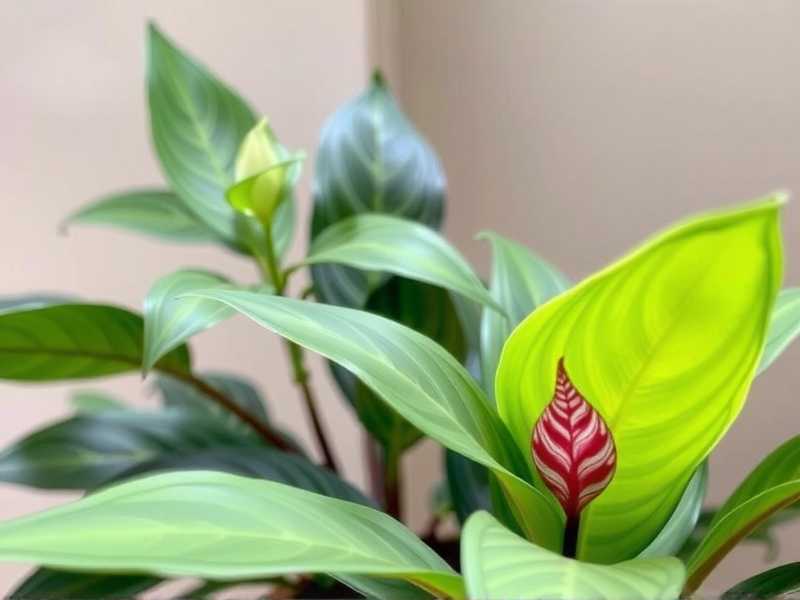
Leaves lose moisture to the dry air through tiny pores called stomata faster than the roots can absorb water. This leads to dehydration at the leaf margins, resulting in the classic brown, crispy tips and edges. According to horticulturist and author Jane Smith, "When foliage plants like Aglaonema show browning leaf tips, it's almost always a sign of atmospheric dryness, not necessarily underwatering. It’s the plant’s cry for more ambient moisture."
Humidifiers: The Most Effective Solution for Dry Air
While grouping plants together or using pebble trays can offer a minor, localized boost, they are often insufficient in consistently dry environments. A room humidifier is the only tool that allows you to reliably control and maintain the ideal humidity range for your Aglaonema and improve your own indoor air quality in the process.
Choosing the Right Humidifier for Your Aglaonema
Not all humidifiers are created equal. Your choice depends on the size of your space and your maintenance preferences.
Cool Mist vs. Warm Mist Humidifiers Cool mist humidifiers (ultrasonic or evaporative) are generally the preferred and safer choice for plant rooms. Ultrasonic models use high-frequency vibrations to create a fine, cool mist. They are energy-efficient and quiet, making them ideal for bedrooms or living spaces where plants reside. Evaporative models use a fan to blow air through a wet wick, naturally adding moisture to the air. Warm mist humidifiers boil water to create steam, which kills some airborne bacteria but uses more energy and poses a slight burn risk. For most Aglaonema humidity needs, a cool-mist ultrasonic humidifier is perfectly suitable.
Key Features to Consider
- Coverage Area: Match the humidifier’s output to the size of the room where your plant lives. A model too small will be ineffective.
- Tank Capacity: A larger tank means fewer refills. For consistent indoor plant care in arid climates, a 4-6 liter tank is often a good start for medium-sized rooms.
- Humidistat: This built-in hygrometer measures humidity and allows the unit to auto-shut off when the desired level is reached, preventing over-humidification.
- Run Time & Auto-Shutoff: Essential for safety when the tank is empty.
- Ease of Cleaning: Mineral buildup from tap water can harbor mold and bacteria. Look for models with wide openings and minimal hard-to-clean parts.
Creating the Perfect Environment: Placement and Settings
Simply turning on the humidifier isn’t enough. Strategic placement is key to success.
Place the humidifier in the same room as your Aglaonema, but not directly pointed at or soaking the foliage. A distance of 3-6 feet away is ideal, allowing the mist to disperse evenly throughout the space. Avoid placing it on wooden furniture directly to prevent moisture damage; use a tray or mat underneath.
Aim to maintain a relative humidity level of 50-60% for optimal Aglaonema health. This is high enough to prevent leaf crisping but low enough to discourage mold growth on soil or walls. Use a digital hygrometer to monitor levels accurately—don’t rely on guesswork. Run the humidifier consistently, especially during winter months or in air-conditioned spaces.
Complementary Care Practices for Dry Environments
A humidifier is your primary tool, but these supporting practices will maximize its benefits.
Watering Adjustments In dry air, soil tends to dry out slightly faster due to increased evaporation. However, with a humidifier running, you might find your watering frequency doesn’t increase much. The key is to always check the soil. Water your Aglaonema only when the top 1-2 inches of soil feel dry to the touch. Proper humidity reduces plant stress, allowing it to use soil moisture more efficiently.
Leaf Care and Cleaning Even in perfect humidity, dust accumulates on those broad leaves, blocking light and clogging pores. Gently wipe the leaves with a damp, soft cloth every few weeks. This not only keeps the plant photosynthesizing efficiently but also helps it better absorb the moist air you’re providing. Never use leaf shine products, as they can clog stomata.
Troubleshooting Common Humidifier and Plant Issues
Preventing Mold and Mildew Increased humidity must be balanced with good air circulation. Use a small oscillating fan on a low setting to keep air moving gently around your plants. This prevents stagnant, moist air pockets where fungal issues can arise. Always clean your humidifier weekly with white vinegar or a manufacturer-recommended solution to prevent pink mold or mineral dust from dispersing.
Dealing with Persistent Brown Tips If you’re using a humidifier and still see brown tips, consider other factors. Fluoride or chlorine in tap water can cause tip burn. Try using filtered, distilled, or rainwater for both humidifying and watering. Also, ensure your plant is not in the direct path of heating or cooling vents, which blast extremely dry air.
What is the ideal humidity level for a Chinese Evergreen? Aim for 50-60% relative humidity. This range mimics the plant's subtropical origins and prevents leaf browning without creating excessive moisture that could lead to other problems.
Can I mist my Aglaonema instead of using a humidifier? Misting provides only a temporary, superficial increase in humidity that dissipates within minutes. It does not raise the ambient humidity level meaningfully and can sometimes promote fungal leaf diseases if water sits in the crown of the plant. A humidifier is a far more effective and consistent solution.
What type of water should I use in my plant humidifier? To prevent white mineral dust from covering your furniture and plants, and to extend the life of your humidifier, use distilled, demineralized, or filtered water. Tap water, especially if hard, contains minerals that create scale buildup inside the machine and disperse into the air.
Caring for your Aglaonema in dry air is fundamentally about recreating a slice of its tropical home. While the plant is resilient, providing adequate humidity is the single most impactful step you can take to transform it from a survivor into a vibrant, lush showpiece. By integrating a well-chosen humidifier into your routine—supported by mindful watering, good air circulation, and clean leaves—you’ll solve the puzzle of dry air care. Your reward will be an Aglaonema with flawless, glossy foliage that grows vigorously, proving that with the right approach, you can bring a thriving tropical oasis into any home.





