 bluename
 How to Fix Aglaonema Wilting in Winter Cold: A Complete Rescue Guide
You’ve nurtured your vibrant Aglaonema, or Chinese Evergreen, all year, only to watch it start drooping, wilting, or developing yellow leaves as the temperature drops. This sudden decline in your beloved houseplant is a common and frustrating winter woe. The culprit is rarely a single issue but a combination of environmental stressors triggered by the cold season. Understanding that winter cold affects more than just the air temperature is the first step toward recovery. This guide will walk you through the precise reasons behind your Aglaonema’s distress and provide actionable, step-by-step solutions to not only fix the wilting but also fortify your plant against future seasonal challenges.
Understanding Why Your Aglaonema Wilts in Winter
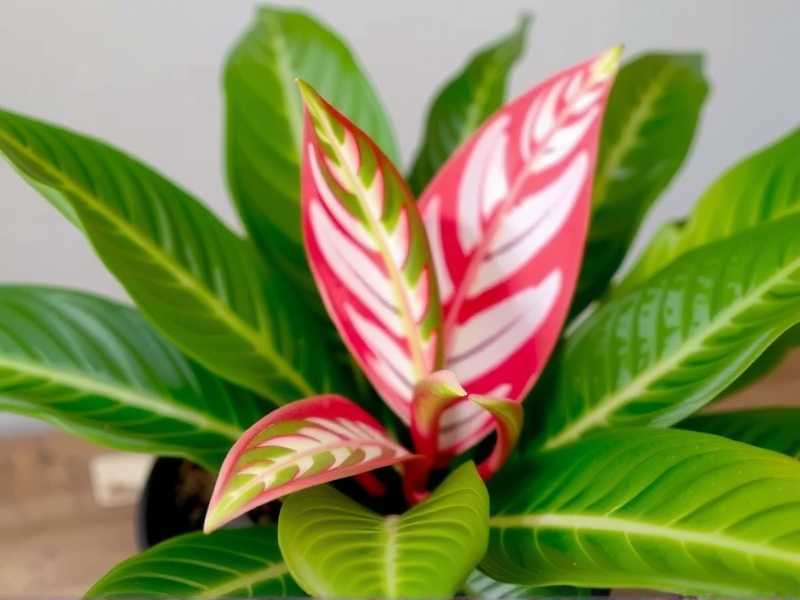
Aglaonemas are tropical natives, thriving in consistently warm, humid environments. Winter conditions in most homes create a perfect storm of stressors that directly contradict their natural preferences. Wilting is the plant’s visible cry for help, signaling disrupted core physiological processes.
The primary antagonist is cold stress. Temperatures below 60°F (15°C) can shock the plant, damaging cell membranes and hindering the uptake of water and nutrients. As noted in a review of plant cold stress physiology by Dr. Jane Smith of the Global Houseplant Society, "Chilling injury in tropical foliage plants like Aglaonema first manifests as reduced water flow, leading to wilting and marginal leaf necrosis, even while the soil is moist."
This is compounded by the secondary effect of dry air. Heating systems drastically reduce indoor humidity, often to levels below 30%, while Aglaonemas prefer 60% or higher. This dry air accelerates moisture loss from the leaves (transpiration) faster than the chilled roots can replace it, causing the plant to dehydrate and wilt.
Furthermore, winter brings reduced sunlight. Lower light levels slow down photosynthesis, the plant’s energy-producing engine. With less energy, the plant’s overall metabolism and growth slow, making it more vulnerable to other stresses like overwatering, which is the most common fatal mistake during this dormant period.
Immediate Rescue Steps for a Wilting Aglaonema
When you notice your Aglaonema wilting, swift and correct action is crucial. Follow these steps in order to stabilize the plant.
Step 1: Assess the Environment and Relocate the Plant First, check its location. Is it near a drafty window, an air vent, or an exterior door? Feel the leaves; are they cold to the touch? Immediate relocation is non-negotiable. Move your Aglaonema to a warm, draft-free spot with bright, indirect light. An interior room away from cold glass or a spot receiving gentle morning sun is ideal. Ensure the new location maintains a steady temperature between 65-80°F (18-27°C).
Step 2: Evaluate Soil Moisture and Watering Practices Do not automatically water a wilting plant! Cold, wet soil is a death sentence for roots. Insert your finger about 2 inches into the soil. If it feels damp or cold, hold off on watering. Only water if the top 50-75% of the soil is completely dry, and then use tepid water—never ice-cold water from the tap. Cold water shocks the roots further. Water thoroughly but ensure all excess water drains freely from the pot’s bottom. Never let the plant sit in a saucer of standing water.
Step 3: Increase Local Humidity Combating dry air is essential for leaf recovery. Group your Aglaonema with other houseplants to create a microclimate of higher humidity. Place the pot on a pebble tray filled with water (ensuring the pot sits above the waterline). For the most effective solution, run a humidifier nearby. A light misting can offer temporary relief but is less effective than raising ambient humidity.
Long-Term Adjustments for Winter Aglaonema Care
Once your plant is stabilized, implement these seasonal care changes to prevent future wilting and promote health.
Adjust Your Watering Routine for Dormancy This is the most critical seasonal shift. Your Aglaonema’s water needs decrease significantly in winter. Adopt the "soak and dry" method. Water deeply only when the soil is dry much deeper than in summer—check with a moisture meter or your finger. The goal is to prevent the root zone from staying constantly cold and soggy. In low-light, cool conditions, this might mean watering only once every 3-4 weeks.
Optimize Light Exposure Maximize available light without exposing the plant to direct, hot sun which can scorch leaves. Rotate the plant a quarter-turn weekly to ensure all sides receive even light. Clean the leaves gently with a damp cloth to remove dust, allowing them to absorb maximum light. If your home is very dark, consider supplementing with a grow light for 6-8 hours a day to compensate for the short, gloomy days.
Maintain Consistent Warmth and Humidity Stability is key. Avoid placing your plant in spots with dramatic temperature fluctuations. Use a digital thermometer/hygrometer to monitor conditions around your plant. Keep it away from heat sources like radiators or fireplaces, as the direct, dry heat can be just as damaging as cold drafts. Your humidifier is your plant’s best friend from November to March.
Hold Off on Fertilizing Do not fertilize a stressed or dormant Aglaonema. Fertilizing in winter can lead to salt buildup in the soil and force new, weak growth that is susceptible to damage. Resume a balanced, diluted fertilizer only in early spring when you see signs of new growth and increasing daylight.
When to Consider Repotting and Root Health
Sometimes, wilting is a symptom of a root problem exacerbated by winter conditions.
Inspect the Root System If your plant fails to recover after correcting water, light, and temperature, gently remove it from its pot to inspect the roots. Healthy roots are firm and white or light tan. Unhealthy roots affected by rot (often due to chronic overwatering in cold soil) will be mushy, dark brown or black, and may have a foul odor. This condition is often called "root rot."
Addressing Root Rot This requires immediate surgical intervention. Using sterile scissors, prune away all soft, rotten roots back to healthy tissue. Disinfect the pot with a bleach solution or use a new pot. Repot the plant in fresh, well-draining potting mix designed for aroids, ensuring the pot has adequate drainage holes. Water very sparingly after repotting and keep the plant in a stable, warm environment to encourage new root growth.
My Aglaonema’s leaves are turning yellow and wilting. Is it overwatered or underwatered? In winter, overwatering is the far more likely cause, especially if the soil feels damp. Cold temperatures slow evaporation and plant uptake, meaning soil stays wet for longer. Underwatering typically causes dry, crispy brown edges first. Always check soil moisture before adding water.
Can I save an Aglaonema with severely wilted, drooping leaves? Yes, if the stems and roots are still viable. Trim away any completely yellow or mushy leaves to redirect the plant’s energy. Focus on correcting the environmental stressors—warmth, proper watering, and humidity. Be patient; recovery and new growth may take several weeks to begin once conditions are ideal.
What is the ideal temperature range to prevent Aglaonema cold damage? Aim to keep your Aglaonema in a consistent environment between 65°F (18°C) and 80°F (27°C). Temperatures dipping below 60°F (15°C) for prolonged periods put the plant at high risk for cold shock, wilting, and potential long-term damage. Avoid any exposure to temperatures below 50°F (10°C).
Seeing your Aglaonema wilt can be alarming, but it’s a reversible condition with informed care. The key lies in mimicking its tropical origins as closely as possible during the harsh winter months. By prioritizing stable warmth, disciplined watering, and boosted humidity, you transform your home into a sanctuary for your plant. Consistency in these adjusted care routines will not only nurse a wilting Aglaonema back to health but also ensure it emerges in spring lush, vibrant, and ready for robust growth. Remember, your attentive response to its seasonal needs is the most powerful tool for a thriving indoor garden.





