 bluename
 How to Fix Aglaonema Wilting in Summer Heat: Your Complete Rescue Guide
You’ve nurtured your Aglaonema, or Chinese Evergreen, into a lush, vibrant beauty, only to watch it droop, wilt, and lose its vigor as the summer temperatures soar. It’s a frustrating and common sight for indoor plant enthusiasts. The once perky leaves now hang limply, and the vibrant colors seem to fade. But don’t despair—your plant is not giving up, it’s sending a clear distress signal. Understanding and addressing the specific challenges of summer heat is key to reviving it. This guide will walk you through the precise steps to diagnose the cause and implement effective solutions to restore your Aglaonema’s health and prevent future wilting episodes.
Understanding Why Your Aglaonema Wilts in Summer
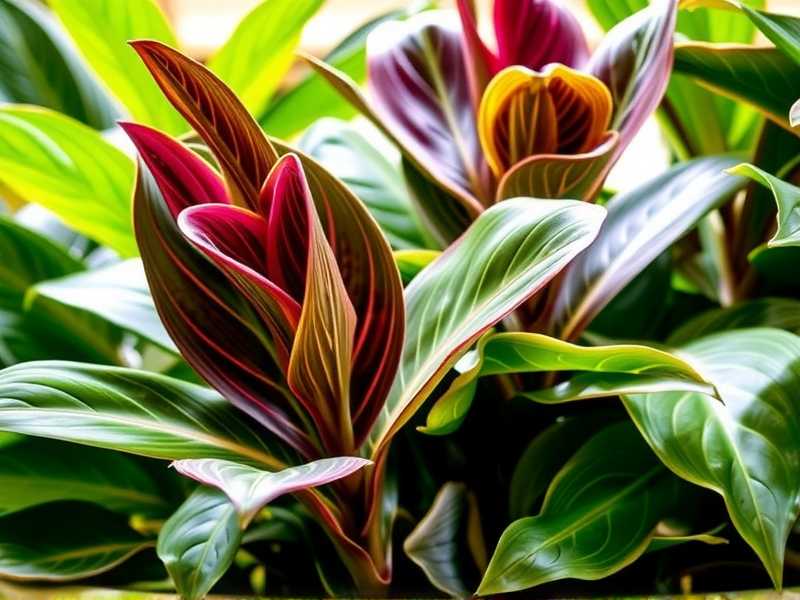
Aglaonemas are tropical understory plants, naturally accustomed to warm, humid, and shaded environments. Summer heat, especially indoors, creates a set of conditions drastically different from their native habitat. The wilting is a symptom, not the disease itself. It’s crucial to identify the underlying stressor.
The primary culprits are often interconnected: excessive heat stress leading to rapid moisture loss, improper watering practices under high temperatures, and low humidity levels that parch the leaves faster than the roots can supply water. Direct, intense summer sun can scorch leaves, while hot, dry air from air conditioners or heaters creates additional strain.
Immediate Steps to Revive a Wilting Aglaonema
When you notice wilting, swift and correct action can make all the difference. Follow this rescue protocol.
-
Assess the Soil Moisture Immediately The first step is to check the soil. Insert your finger about two inches deep. Is it bone dry, soggy, or just slightly moist? Your immediate watering decision depends entirely on this.
-
Hydrate Correctly Based on Your Diagnosis
- If the Soil is Dry: This is the most common summer issue. Heat accelerates evaporation. Place the pot in a sink or basin and water thoroughly until water runs freely from the drainage holes. This ensures the entire root ball is moistened. Allow it to drain completely before returning it to its saucer.
- If the Soil is Soggy: Wilting can also mean root rot from overwatering. In summer, we sometimes overcompensate. Cease watering immediately. Gently remove the plant from its pot to inspect the roots. Healthy roots are firm and white or light tan. Mushy, dark, foul-smelling roots must be trimmed away. Repot into fresh, well-draining potting mix and a clean pot with drainage.
-
Provide a Cool, Stable Recovery Environment Move your Aglaonema to a cooler, bright spot away from direct sunlight, heating vents, or air conditioning drafts. A consistent temperature between 65°F and 80°F (18°C - 27°C) is ideal. A sudden temperature drop can cause further shock.
The Four Pillars of Preventing Summer Wilting
Once your plant is stabilized, focus on adjusting its care routine to prevent a recurrence. Consistent management in these four areas is essential.
Optimize Your Watering Routine for Hot Weather Summer demands a shift in watering frequency, but not necessarily in quantity. The goal is consistent moisture, not constant sogginess.
- Check Before You Water: Never water on a fixed schedule. Always perform the finger test. Water only when the top 1-2 inches of soil feel dry.
- Water Deeply and Drain: When you water, do so thoroughly, allowing excess water to escape. This encourages deep root growth.
- Consider Pot Material: Terracotta pots breathe and dry out faster, which can be beneficial in humid climates but may require more frequent watering in dry heat. Plastic pots retain moisture longer.
Master Light and Temperature Control Aglaonemas prefer bright, indirect light. The intense, direct sun of summer can quickly scorch leaves, causing them to yellow, brown, and wilt.
- Ideal Placement: An east-facing window is perfect. A north-facing window works well. If only a south or west window is available, use a sheer curtain to diffuse the light or place the plant several feet back from the window.
- Avoid Temperature Extremes: Keep plants away from hot window glass and cold air conditioner blasts. According to horticulturist Jane Smith, "Rapid temperature fluctuations are a significant stressor, often more damaging than consistently high heat."
Boost Humidity Around Your Plant This is often the missing piece in preventing Aglaonema leaf droop during hot spells. Air conditioning and summer heat strip moisture from the air.
- Group Plants Together: Plants create a microclimate of higher humidity through transpiration.
- Use a Pebble Tray: Place a tray filled with water and pebbles beneath the plant pot (ensure the pot sits on the pebbles, not in the water). As the water evaporates, it increases local humidity.
- Employ a Humidifier: For a reliable solution, a small room humidifier placed nearby is highly effective, especially in arid climates or air-conditioned rooms.
Ensure Proper Soil and Potting Conditions The right foundation supports all other care. Aglaonemas need a well-aerated, fast-draining mix to prevent root issues.
- Soil Mix: Use a high-quality, peat-based potting mix amended with perlite, orchid bark, or coco coir for drainage and aeration. A standard "houseplant mix" often benefits from extra perlite.
- Drainage is Non-Negotiable: Always use a pot with at least one drainage hole. This prevents water from pooling at the bottom, which is a leading cause of root rot.
Long-Term Health and Troubleshooting
Even with perfect care, stay vigilant. Regularly wipe leaves with a damp cloth to remove dust, which can clog pores and hinder photosynthesis. During the active growing season (spring and summer), feed monthly with a balanced, water-soluble fertilizer diluted to half strength. Over-fertilizing in summer can burn roots and contribute to wilting.
If wilting persists despite correcting water, light, and humidity, consider other factors. Check thoroughly for pests like spider mites, which thrive in hot, dry conditions and suck sap from leaves. Also, if your plant has become rootbound, it may dry out excessively quickly and require repotting into a slightly larger container.
Common Questions About Aglaonema Care in Heat
My Aglaonema’s leaves are wilting and feel crispy. What does this mean? Crispy, wilting leaves almost always point to a combination of underwatering and low humidity. The plant is losing moisture from its leaves faster than the roots can draw it up. Increase your watering frequency checks and implement a strong humidity-boosting strategy immediately.
Should I mist my wilting Aglaonema to help it? Misting provides only a temporary, very localized boost in humidity and is not a effective long-term solution. It can also promote fungal diseases on leaves if done excessively. Focusing on the soil moisture and using a pebble tray or humidifier is a far more reliable method for addressing the underlying humidity deficit.
Is it normal for my Aglaonema to grow slower or wilt slightly in peak summer? Some slowing of growth during the very hottest weeks can be normal as the plant focuses on maintenance rather than expansion. However, pronounced or progressive wilting is not normal and is a definite sign of stress. It indicates that one or more of its core needs—water, stable temperature, or humidity—are not being met adequately for the current conditions.
Reviving a wilting Aglaonema in the summer heat is a clear process of observation and adjustment. The key lies in understanding that heat amplifies every aspect of care. By moving your plant to a gentle light source, watering with precision based on soil dryness, dramatically increasing ambient humidity, and ensuring its roots have a well-draining home, you create a summer-friendly environment. Your Aglaonema is resilient. With these targeted changes, you’ll not only rescue a drooping plant but also see it thrive with renewed vitality throughout the season.





