 bluename
 How to Care for Aglaonema Silver Bay Indoors: A Complete Guide to a Thriving Plant
You’ve brought home a stunning Aglaonema Silver Bay, captivated by its elegant, silver-splashed leaves that promise to brighten any corner. But now, questions start to creep in. Why are the leaf tips turning brown? Is it getting enough light, or perhaps too much? How do you keep this beautiful plant healthy and growing for years to come? Don’t worry, these concerns are common for any plant enthusiast. This comprehensive guide is designed to demystify the care of your Aglaonema Silver Bay, transforming uncertainty into confidence and ensuring your plant not only survives but truly thrives indoors.
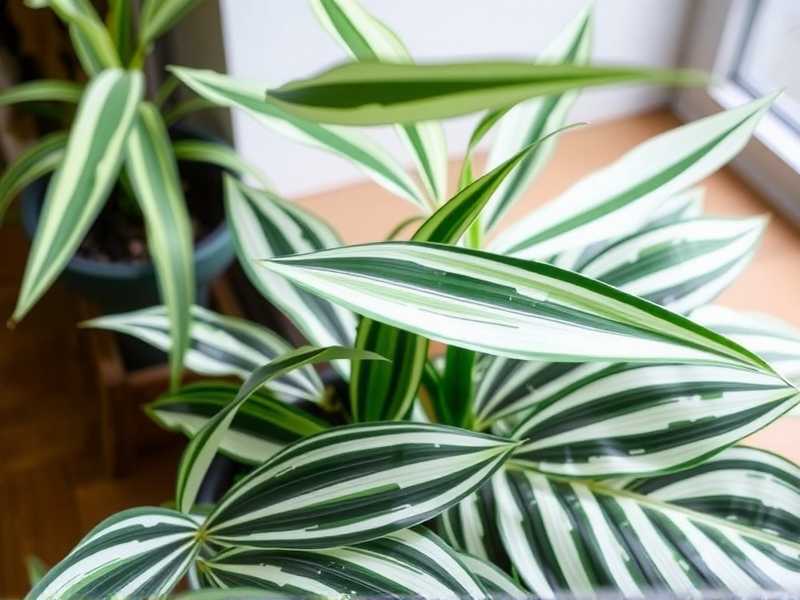
Understanding your plant is the first step to success. The Aglaonema Silver Bay, a cultivar of the Chinese Evergreen, is renowned for its resilience and stunning foliage. Its broad, lance-shaped leaves feature a beautiful blend of dark green edges and a luminous silver-green center. According to horticulturalists at the Royal Horticultural Society, Aglaonemas are among the top recommended plants for improving indoor air quality, adding a layer of benefit to their visual appeal. Their adaptability to indoor conditions makes them a perfect choice for both beginners and experienced plant owners.
Optimal Lighting Conditions for Silver Bay
Light is crucial, but the good news is that the Silver Bay is wonderfully flexible. It thrives in bright, indirect light, which encourages lush, robust growth and maintains the vibrant contrast in its leaf variegation. A spot near an east or north-facing window is often ideal.
However, one of this plant’s greatest strengths is its exceptional tolerance for low light conditions. It can adapt to spaces further from windows or rooms with artificial lighting. Be cautious of direct sunlight, especially the harsh afternoon rays. Prolonged exposure can scorch the leaves, causing pale, bleached, or brown patches. If you notice the silver variegation fading and the leaves turning uniformly darker green, it’s a sign your plant is compensating for lower light levels.
The Perfect Watering Routine
Mastering watering is perhaps the most critical aspect of how to care for Aglaonema Silver Bay indoors. The goal is consistent, moderate moisture without waterlogging. The "soak and dry" method is highly effective. Water your plant thoroughly until excess water drains freely from the pot’s bottom, then allow the top 1-2 inches of soil to dry out completely before watering again.
You can check this easily with your finger. Overwatering is a leading cause of issues like root rot and yellowing leaves. In winter, when growth slows, reduce watering frequency significantly. Using room-temperature water is also a simple tip to avoid shocking the plant’s roots. A well-draining potting mix, which we’ll discuss next, is your best ally in preventing overwatering problems.
Choosing Soil and Potting Essentials
The right soil ensures your watering efforts are successful. Aglaonema Silver Bay requires a potting medium that is both moisture-retentive and exceptionally well-draining. A standard, high-quality houseplant potting mix serves as a good base. To perfect it, incorporate amendments like perlite, orchid bark, or coarse sand. A mix of about two parts potting soil to one part perlite creates an ideal, airy structure.
This blend allows roots to access water and oxygen while preventing them from sitting in sogginess. When selecting a pot, always choose one with adequate drainage holes. Repotting is typically needed every 2-3 years, or when you see roots circling the pot’s base or growing out of the drainage holes. Spring or early summer is the best time to repot, using a container only 1-2 inches larger in diameter than the previous one.
Ideal Temperature and Humidity Levels
As tropical plants, Aglaonema Silver Bay prefers warm and somewhat humid environments. They do best in temperatures between 65°F and 80°F (18°C - 27°C). It’s vital to protect them from cold drafts, such as those from air conditioning vents, open windows in winter, or doors. Temperatures below 60°F (15°C) can cause damage and stunt growth.
While they can adapt to average household humidity, they truly flourish with extra moisture in the air. If your home is dry, especially during winter months, consider using a humidifier nearby. Alternatively, placing your plant on a pebble tray filled with water (ensuring the pot sits above the water line) or grouping it with other plants can create a beneficial microclimate. Browning leaf tips are often the first sign that the air is too dry for your Aglaonema Silver Bay plant.
Fertilizing for Healthy Growth
Feeding your Silver Bay supports its foliage production and overall health. During the active growing season (spring and summer), apply a balanced, water-soluble houseplant fertilizer (such as a 10-10-10 or 20-20-20 formula) once a month. Dilute the fertilizer to half the strength recommended on the label to avoid root burn.
There is no need to fertilize during the fall and winter when the plant’s growth naturally slows. Over-fertilization can lead to a buildup of salts in the soil, which may cause leaf burn and root damage. If you notice a white crust on the soil surface or the pot’s rim, it’s a sign of salt accumulation. Flushing the soil every few months by running plenty of water through it and letting it drain completely can help prevent this issue.
Pruning and Maintenance for Shape and Health
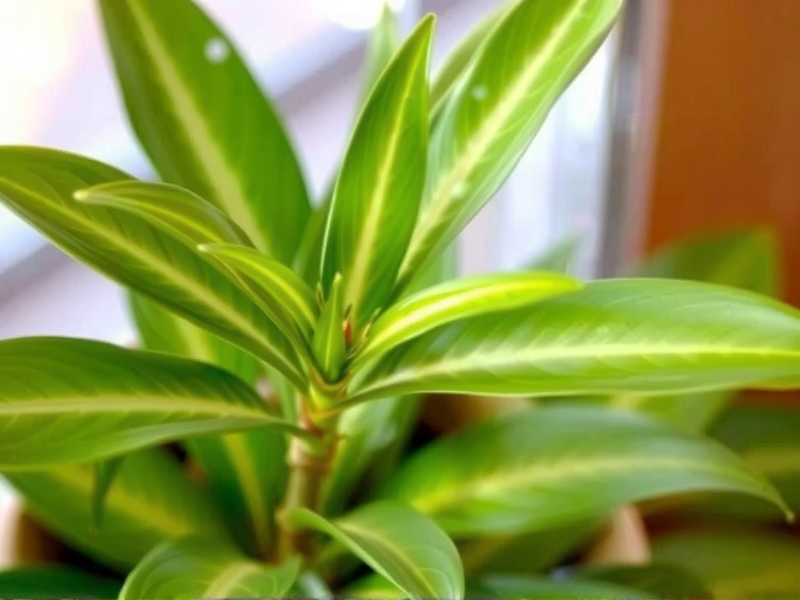
Regular maintenance keeps your plant looking its best. Pruning is simple: use clean, sharp scissors to trim away any yellowing, brown, or damaged leaves at the base of the stem. This not only improves appearance but also directs the plant’s energy toward new, healthy growth. You can also trim back any excessively long or leggy stems to encourage a bushier, more compact shape.
To keep those gorgeous leaves shining, gently wipe them with a damp, soft cloth every few weeks. This removes dust that can block sunlight and hamper the plant’s ability to photosynthesize. Avoid using leaf shine products, as they can clog the leaf pores (stomata).
Troubleshooting Common Aglaonema Silver Bay Problems
Even with great care, you might encounter an issue. Here’s how to diagnose and fix common problems:
- Yellowing Leaves: This is most often a sign of overwatering. Check the soil moisture and adjust your routine. It can also indicate a need for fertilizer or, if older leaves are yellowing naturally, it may just be normal senescence.
- Brown Leaf Tips: Typically caused by low humidity, underwatering, or fluoride/chlorine in tap water. Increase humidity, check your watering consistency, and consider using filtered or distilled water.
- Drooping Leaves: Usually a sign of thirst (underwatering). A thorough drink should perk it up within hours. If the soil is wet and leaves are drooping, it could be overwatering and root rot—check the roots.
- Pests: While resistant, they can occasionally attract mealybugs, spider mites, or scale. Isolate the plant if you notice pests. Wipe leaves with insecticidal soap or neem oil solution, repeating weekly until resolved.
Propagating Your Aglaonema Silver Bay
Sharing or expanding your plant collection is easy through propagation. The most reliable method for caring for a Chinese Evergreen Silver Bay is division during repotting. Simply separate a cluster of stems with its own healthy root system from the main plant and pot it in its own container.
You can also propagate from stem cuttings. Take a cutting with at least a few leaves, place it in water or moist soil, and wait for roots to develop. Keep it in a warm, bright spot and be patient—roots can take several weeks to form.
Frequently Asked Questions
Is the Aglaonema Silver Bay toxic to pets? Yes, like many plants in the Araceae family, Aglaonema contains calcium oxalate crystals, which are toxic to cats and dogs if ingested. It can cause oral irritation, drooling, and vomiting. It’s best to place this plant in a location inaccessible to curious pets.
How fast does the Silver Bay grow? Under ideal conditions, it is a moderately fast grower, especially during spring and summer. You can expect it to produce several new leaves each growing season. Growth will slow or pause in lower light conditions and during the winter.
Why are the new leaves on my plant smaller than the old ones? Consistently smaller new leaves often indicate the plant isn’t receiving enough light or nutrients. Try moving it to a brighter location (with indirect light) and ensure you are fertilizing appropriately during the growing season.
With its striking appearance and forgiving nature, the Aglaonema Silver Bay is a rewarding houseplant. By providing it with the right balance of indirect light, careful watering, and occasional feeding, you’ll be rewarded with a robust and beautiful plant that purifies your air and enhances your space for many years. Observe your plant regularly—it will often tell you what it needs. Enjoy the journey of nurturing this elegant, silver-leaved companion.





