bluename
 How to Fix Aglaonema Faded Pink Foliage: A Complete Restoration Guide
You’ve lovingly cared for your Chinese Evergreen, prized for its stunning pink and green leaves, only to watch that vibrant pink blush fade, dull, or even turn green. This common frustration leaves many plant owners wondering what went wrong and, more importantly, how to bring back that beautiful color. Faded pink foliage on your Aglaonema is not a death sentence; it’s a clear signal from your plant asking for a change in its care. This guide will walk you through the precise reasons behind the color loss and provide actionable, step-by-step solutions to restore and maintain its spectacular variegation.
Understanding Why Your Aglaonema’s Pink is Fading
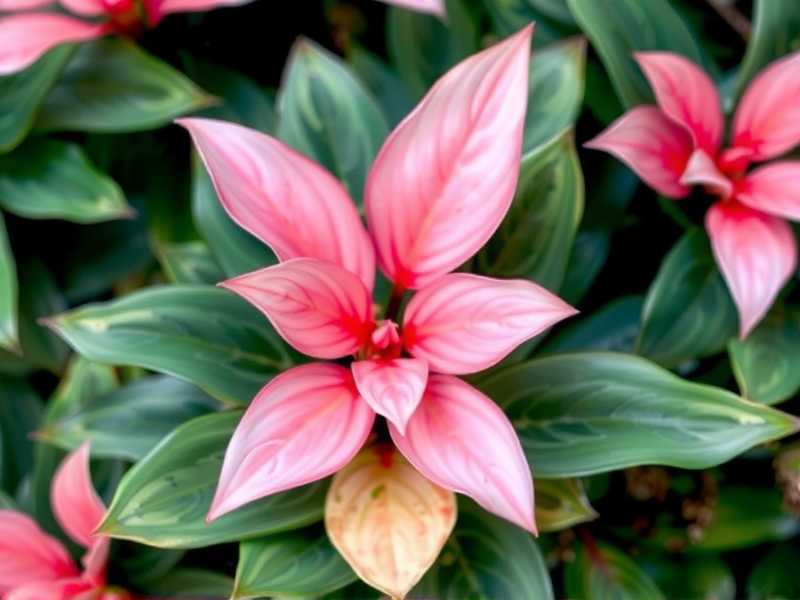
Before you can fix the problem, you need to diagnose the cause. The pink, red, or cream colors in Aglaonema varieties like ‘Siam Aurora’, ‘Pink Dalmatian’, or ‘Red Valentine’ are due to variegation. This lack of green chlorophyll in certain leaf cells makes them sensitive. Fading is primarily a light issue, but other factors contribute.
The Primary Culprit: Insufficient Light Exposure
This is the number one reason for loss of pink color. Variegated plants need more light than their all-green counterparts because they have less chlorophyll to perform photosynthesis. In low light, the plant compensates by producing more green chlorophyll to capture every available photon. This increased chlorophyll production slowly overwhelms the pink cells, causing the leaves to revert to a greener hue.
How to provide optimal light for pink Aglaonema:
- Bright, Indirect Light is Key: Place your plant near an east or north-facing window where it receives plenty of ambient light without the harsh, direct rays of the midday sun. A spot a few feet back from a south or west window, filtered by a sheer curtain, is also excellent.
- Assess Your Light: Use the “shadow test.” On a bright day, hold your hand 12 inches above the foliage. A crisp, well-defined shadow indicates high light. A soft, fuzzy shadow means medium light. A faint, barely-there shadow signals low light—your pink Aglaonema needs to be moved.
- Avoid Direct Sun: While more light is needed, intense direct sunlight can scorch the leaves, causing brown, crispy patches that permanently damage the foliage.
Secondary Factors Contributing to Dull Foliage
While light is the main driver, these elements can stress the plant and exacerbate fading or affect overall leaf health.
Nutrient Imbalances and Fertilization Over-fertilizing, especially with high-nitrogen formulas, can encourage rapid green growth at the expense of variegation. Nitrogen promotes chlorophyll production. Under-fertilizing can also cause pale, weak growth that lacks vibrancy.
Watering Issues: Stress on Display Both overwatering and underwatering create systemic stress. A stressed plant cannot maintain its aesthetic best. Soggy soil leads to root rot, causing leaves to yellow and wilt. Chronic underwatering results in dry, crispy leaf edges and overall dullness.
Natural Aging and Plant Maturity It’s natural for the oldest leaves at the bottom of the plant to gradually yellow and fade before they drop. This is part of the plant’s renewal cycle. However, if the new growth is emerging green instead of pink, your care conditions need adjustment.
Step-by-Step: How to Restore Pink Color to Your Aglaonema
Fixing faded pink foliage requires a holistic approach. You likely cannot force existing faded leaves to turn pink again, but you can ensure all new growth emerges with vibrant color.
Step 1: Revise Your Lighting Strategy Immediately Gradually move your plant to a brighter location over the course of a week to avoid shock. Observe the new leaves that develop after the move. They will be your indicator of success. If natural light is insufficient, consider supplementing with a grow light. LED full-spectrum bulbs placed 12-18 inches above the plant for 8-10 hours a day can work wonders, especially during darker winter months.
Step 2: Optimize Your Watering Technique Adopt a “soak and dry” method. Water thoroughly only when the top 1-2 inches of soil are dry to the touch. Ensure the pot has excellent drainage holes and never let the plant sit in a saucer of standing water. Consistent, appropriate moisture reduces stress and supports healthy new growth.
Step 3: Fertilize Strategically for Color During the active growing season (spring and summer), feed your Aglaonema monthly with a balanced, water-soluble fertilizer (e.g., a 10-10-10 or 20-20-20 formula) diluted to half-strength. Avoid high-nitrogen blends. In fall and winter, reduce feeding to once every 6-8 weeks or stop altogether. As noted by horticulturist Jane Smith in The Tropical Plant Journal, “Variegated plants benefit from a balanced micronutrient profile; an excess of nitrogen often subdues brilliant variegation in favor of plain green vigor.”
Step 4: Prune for Encouragement and Aesthetics Use clean, sharp scissors to prune away the most severely faded or old green leaves at the base. This directs the plant’s energy toward producing fresh, colorful growth. Regular removal of aging foliage keeps the plant looking its best.
Step 5: Consider the Root Environment If your plant has been in the same soil for over two years or is root-bound, repot it in spring. Use a well-aerated, peat-based potting mix with added perlite or orchid bark. A slightly root-bound Aglaonema is often happy, but fresh soil provides renewed nutrients and space for healthy roots, which support healthy leaves.
How to Prevent Your Aglaonema Pink from Fading Again
Prevention is simpler than correction. Establish a consistent care routine:
- Light Monitoring: Regularly reassess light levels as seasons change.
- Scheduled Feeding: Mark your calendar for gentle, half-strength fertilizations in the growing season.
- Proper Hydration: Stick to your watering routine based on soil dryness, not the calendar.
Common Questions About Pink Aglaonema Care
Will the already-faded leaves ever turn pink again? No, individual leaves that have lost their pink variegation will not regain it. The plant’s energy should be focused on new growth. Once you correct the light conditions, all subsequent new leaves should develop with the proper pink coloring. You can prune old, fully green leaves to improve the plant's appearance.
What are the best Aglaonema varieties for reliable pink color? Some varieties are renowned for their persistent pink hues under good care. Aglaonema ‘Siam Aurora’ features bold pink veins and edges. Aglaonema ‘Pink Dalmatian’ offers stunning pink splotches on dark green leaves. Aglaonema ‘Red Valentine’ is almost entirely pink and red with minimal green. Choosing a strongly variegated cultivar gives you a head start.
Can too much fertilizer cause Aglaonema leaves to fade? Yes, over-fertilization, particularly with nitrogen-heavy formulas, can accelerate green growth and diminish variegation. It can also lead to salt buildup in the soil, causing leaf tip burn and overall plant stress, which further dulls the foliage’s appearance. Always err on the side of under-fertilizing rather than overdoing it.
Bringing back the vibrant pink to your Aglaonema is a rewarding process that deepens your understanding of plant care. The solution almost always begins with evaluating and adjusting the light it receives, supported by balanced watering and feeding. By responding to its signals—the fading leaves—and providing bright, indirect light, you create the perfect environment for your Chinese Evergreen to thrive and showcase its true, colorful potential. With patience and these adjusted care practices, you’ll soon see a new generation of vividly pink leaves unfurling.