 bluename
 How to Encourage Aglaonema to Flower (Rare): A Complete Grower's Guide
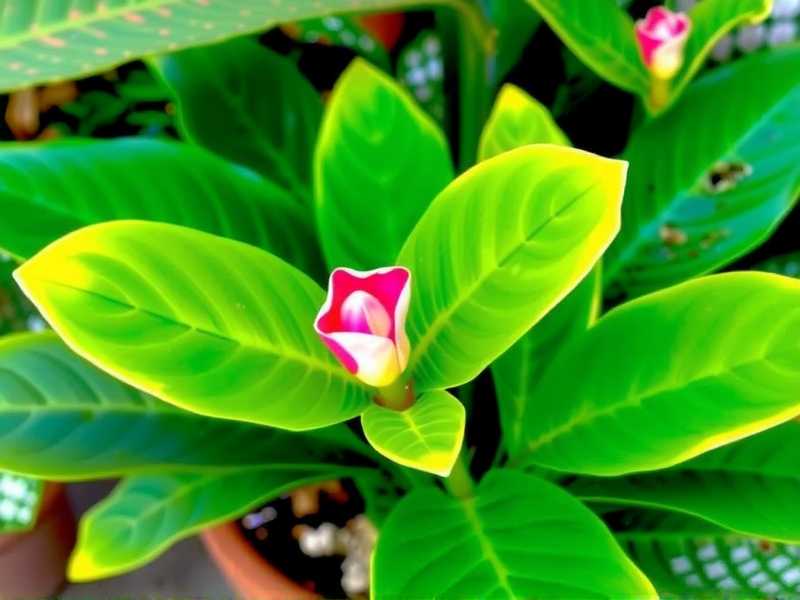
You've nurtured your Aglaonema, or Chinese Evergreen, for years. Its lush, beautifully patterned foliage thrives, adding a vibrant touch of green to your space. Yet, despite your attentive care, you've never seen it bloom. You might even be wondering: do Aglaonema plants flower at all? The answer is yes, but witnessing an Aglaonema flower is a rare and special event for indoor gardeners. The elusive bloom, a subtle calla lily-like spathe, is often hidden among the leaves. If you're determined to unlock this botanical secret, this guide is for you. We'll move beyond basic foliage care and delve into the specific, often misunderstood, conditions that can encourage Aglaonema to flower.
Understanding the Aglaonema Bloom: Setting Realistic Expectations
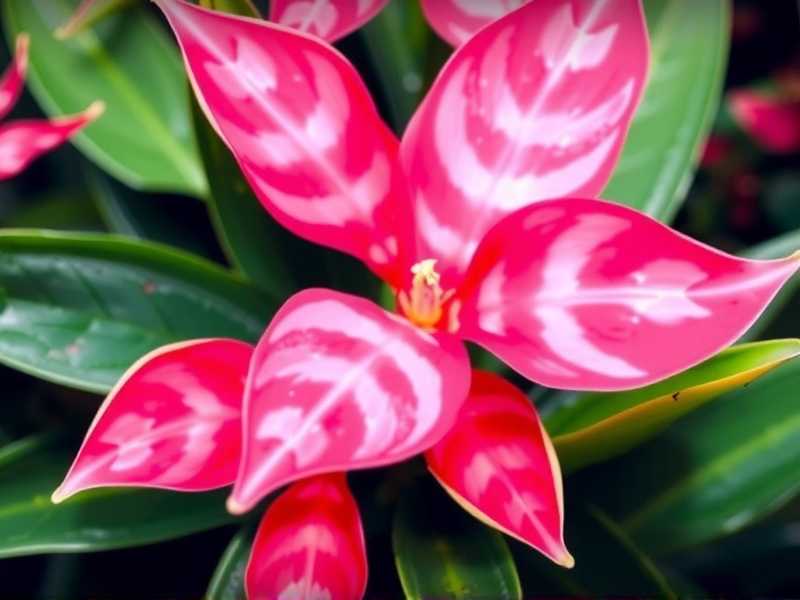
First, it's crucial to manage expectations. Aglaonema are primarily cultivated and adored for their stunning, resilient leaves. Flowering is not their main event, and many varieties, especially newer hybrids bred for spectacular leaf variegation, may rarely or never bloom indoors. The flowers themselves are modest—a greenish or creamy white spathe surrounding a spadix. They won't rival an orchid or hibiscus for showiness. However, achieving a bloom is a sign of exceptional plant health and care precision, a true badge of honor for any plant enthusiast. According to horticulturists at the Royal Horticultural Society (RHS), flowering in aroids like Aglaonema is often a response to prolonged periods of optimal, stress-free growing conditions, signaling the plant's maturity and contentment.
The Foundational Pillars: Perfecting Basic Care for Flower Potential
You cannot coax a stressed plant into blooming. Before attempting any advanced techniques, you must master the fundamentals. A thriving Aglaonema is a potential flowering Aglaonema.
Light: The Gentle Catalyst
Light is the most critical factor. While Aglaonema famously tolerate low light, flowering requires a significant step up. Deep shade will only sustain foliage.
- Ideal Conditions: Provide bright, indirect light. An east-facing window is perfect. A spot a few feet back from a south or west window, filtered by a sheer curtain, also works.
- The Balance: Insufficient light stifles bloom energy. Too much direct sun, however, will scorch the leaves, causing stress that prevents flowering. Aim for a location where the plant receives gentle but ample ambient light for most of the day.
Watering: The Art of Consistency
Erratic watering creates stress, and stressed plants focus on survival, not reproduction.
- The Golden Rule: Water thoroughly only when the top 1-2 inches of soil feel dry to the touch. The goal is consistently moist but never soggy soil.
- Seasonal Adjustments: Reduce watering frequency in the cooler, darker winter months when growth slows. Overwatering, especially in low light, is a prime cause of root rot and will eliminate any chance of flowering.
Soil and Potting: The Root of the Matter
A healthy root system is non-negotiable.
- Soil Mix: Use a well-draining, peat-based potting mix. A standard indoor plant mix amended with perlite or orchid bark for aeration is excellent. Good drainage prevents root suffocation.
- Pot Size: Aglaonema often bloom more readily when slightly root-bound. Avoid potting up too frequently. Only repot when roots are visibly circling the bottom of the pot, and choose a new pot only 1-2 inches larger in diameter.
Advanced Techniques to Encourage Flowering
Once your plant is visibly healthy and growing steadily, you can implement these targeted strategies to make Aglaonema bloom.
Mastering Humidity and Temperature Cycles
Aglaonema are tropical understory plants. Replicating subtle seasonal shifts can trigger a flowering response.
- Humidity: Aim for humidity levels above 60%. Use a humidifier, a pebble tray, or group plants together. While they tolerate average home humidity, elevated levels mimic their natural habitat and reduce plant stress.
- Temperature: A slight drop in temperature at night can be beneficial. Try to maintain a 5-10°F difference between daytime (70-80°F) and nighttime (65-70°F) temperatures. This mimics the natural cool-down of a tropical evening.
Strategic Fertilization: The Nutrient Nudge
Fertilizer provides the building blocks for blooms, but the type and timing matter immensely.
- Bloom-Booster Formula: During the active growing season (spring and summer), switch from a balanced fertilizer (e.g., 10-10-10) to one with a higher phosphorus content (the middle number, e.g., 5-10-5). Phosphorus is key for flower and root development.
- Application: Apply a half-strength, phosphorus-rich liquid fertilizer every 4-6 weeks. Do not over-fertilize, as salt buildup can damage roots. As recommended by the American Horticultural Society (AHA), a "less is more" approach with diluted fertilizer is safer and often more effective than full-strength doses.
The Role of Maturity and Minimal Stress
Patience is paramount. A very young Aglaonema seedling will not flower.
- Plant Age: Most Aglaonema need to reach a mature size, typically after 2-3 years of growth under good conditions, before they are capable of blooming.
- Stress Avoidance: Keep the plant in a stable location. Avoid drafts from heaters or air conditioners, sudden temperature drops, and frequent repotting. A predictable, comfortable environment tells the plant it's safe to invest energy in a bloom.
What to Do When Your Aglaonema Flowers
Congratulations! Your careful cultivation has paid off. Here's what to expect and do.
- Enjoy the Bloom: The spathe may last for several weeks. Appreciate its subtle beauty.
- To Cut or Not to Cut: The flowers are not particularly fragrant and some find them inconsequential. If you prefer to direct the plant's energy back to its magnificent leaves, you can snip off the flower stalk at its base. This will not harm the plant.
- Post-Bloom Care: Continue your exemplary care routine. A plant that has flowered once, under the right conditions, is more likely to do so again in the future.
Frequently Asked Questions
My Aglaonema has never bloomed. Is it unhealthy? Not necessarily. Many healthy, happy Aglaonema simply never bloom indoors, especially certain cultivars. Focus on the vibrant health of the leaves as your primary indicator of success.
Are the flowers or berries poisonous? Yes. Like all parts of the Aglaonema plant, the flowers and subsequent berries (if pollination occurs) contain calcium oxalate crystals and are toxic if ingested. Keep the plant away from pets and children.
Should I use a grow light to force it to flower? A grow light can be an excellent tool if you lack sufficient natural indirect light. Use a full-spectrum LED panel placed 12-18 inches above the plant, set on a timer for 12-14 hours per day. This provides the consistent, high-quality light that can support blooming without the risk of sunburn.
Witnessing your Aglaonema flower is a rewarding experience that highlights your advanced care skills. It begins with flawless fundamentals—perfect light, consistent watering, and a snug pot. From there, elevating humidity, allowing for a gentle nighttime temperature drop, and using a strategic fertilizer can provide the final nudge. Remember that maturity and a stress-free environment are the silent partners in this process. Whether or not the delicate spathe appears, the pursuit itself will lead you to cultivate the most spectacular, healthy Chinese Evergreen possible. The true prize is the journey toward deeper understanding and the lush, vibrant foliage that thrives along the way.





