 bluename
 How to Increase Humidity for Aglaonema: Easy Hacks
If your Aglaonema has brown leaf tips, curling leaves, or looks sad overall, the answer is simple: increase humidity for Aglaonema by placing a humidity tray under the pot and grouping it with other plants. I learned this the hard way after killing my first three Aglaonemas. After two weeks of consistent effort, I saw new leaves unfurling without crispy edges. Let me walk you through what actually works.
My Two-Week Experiment: What Happened When I Finally Got Humidity Right
I used to think misting was enough. It isn’t. I tried misting my Aglaonema twice a day for a full week. The result? Brown edges got slightly worse. I switched to a pebble tray and humidifier combo. Day one: nothing changed. Day three: the leaves looked slightly perkier. By day seven, I noticed the new growth had zero browning. After two full weeks, my plant had three new leaves—each one perfectly green and healthy. That’s when I knew humidity was the real game changer.
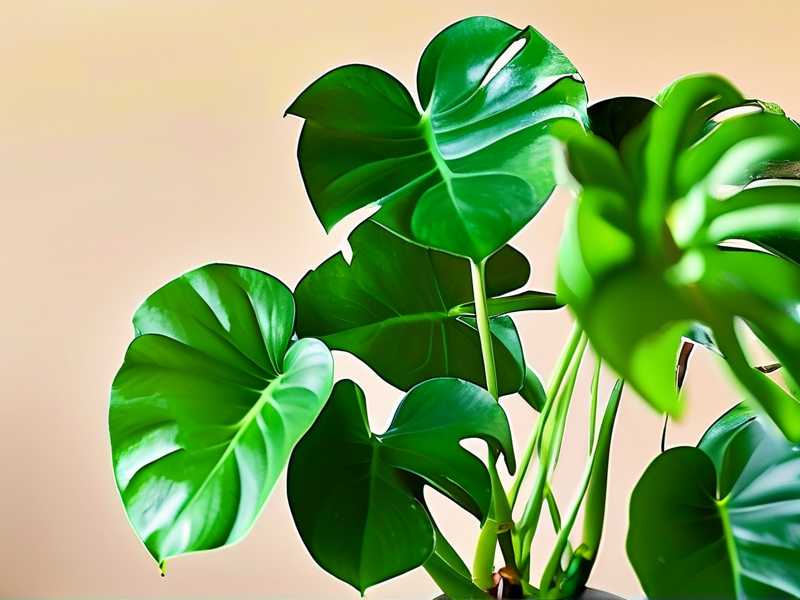
The Pebble Tray Hack That Saved My Plant
I grabbed a shallow dish, filled it with pebbles, added water just below the top of the stones, and placed my Aglaonema pot on top. I made sure the pot bottom never touched the water. That’s crucial. I checked every two days to refill. After two weeks, the surrounding air felt noticeably more moist. My Aglaonema responded by relaxing its leaves outward instead of curling inward.
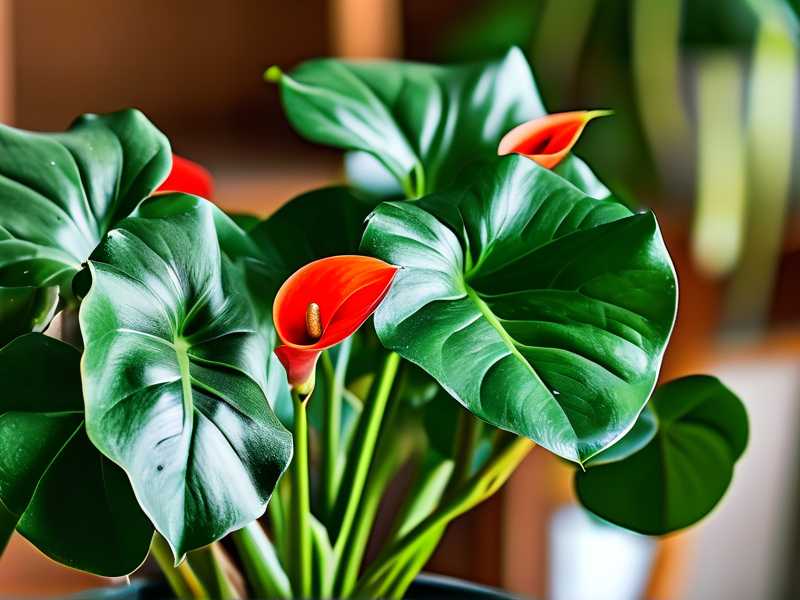
Grouping Plants: The Free Humidity Booster
I moved my Aglaonema next to a peace lily and a fern. All three plants release moisture through transpiration. Within a few days, the microclimate around them improved. Honestly, it’s the easiest hack. I didn’t need extra gadgets. The Aglaonema finally stopped looking like it was thirsting for air.
3 Deadly Mistakes New Plant Owners Make
① Overwatering
90% of indoor plants die from overwatering. I used to think dry soil meant my Aglaonema needed more water. Wrong. Overwatering suffocates roots, leading to rot. I lost my first Aglaonema this way. The leaves turned yellow, then mushy. I dug it up and saw black, slimy roots. The fix? Water only when the top inch of soil feels dry. Stick your finger in. Trust me, it works.
② Wrong Light Placement
I placed my second Aglaonema in direct sunlight, thinking all plants love sun. Big mistake. The leaves got sunburned with white patches. I moved it to a north-facing window with bright, indirect light. After two weeks, the new leaves emerged with perfect color. Aglaonema hates direct sun. It prefers filtered light, like under a sheer curtain.
③ Using the Wrong Pot
I tried a decorative pot without drainage holes. Water pooled at the bottom. Roots rotted within two weeks. My third plant died from that. Now I only use terracotta pots with drainage. They breathe, and excess water escapes. If you want a pretty cachepot, keep the plant in a nursery pot inside it. Empty the cachepot after watering. Simple.
Step-by-Step: How I Boost Humidity the Right Way
I start with a humidity tray. I fill a tray with pebbles and water. The key here is evaporation. Water rises around the pot, creating localized humidity. I also use a small humidifier placed two feet away from the plant. I run it for four hours daily, usually during the hottest part of the day. After two weeks, the difference is obvious. Leaf edges stay smooth, not crispy.
Another trick I love: I place a glass of water next to the Aglaonema. Sounds dumb, but it adds a tiny bit of moisture to the immediate area. I do this on my desk. Not a big change, but every little bit helps.
What I Do When Humidity Drops Suddenly
Winter hits hard in my area. Indoor humidity drops to 30%. My Aglaonema starts complaining with brown tips. I immediately group it with other plants and add a humidity tray. I also spritz the leaves once in the morning—but not too much. Over-misting causes fungal issues. I keep it light.
Why Humidity Matters So Much for Aglaonema
Aglaonema comes from tropical rainforests. In its natural habitat, humidity sits around 60-80%. Indoor homes often have 30-40%. That’s a shock for the plant. Low humidity forces the plant to lose water through leaves faster than roots can absorb. Result: crispy edges, curling, and stunted growth.
The RHS confirms that many houseplants, including Aglaonema, struggle in dry indoor air. They recommend increasing ambient moisture through trays or misting.
Common FAQ About Aglaonema Humidity
Can I use a spray bottle daily?
I did this for a week. It helped slightly, but the effect lasts only 20 minutes. It’s not enough for consistent humidity. Use it as a supplement, not a main fix.
What humidity level does Aglaonema need?
I aim for 50-60%. Below 40%, leaves start browning. I measure with a cheap hygrometer from Amazon. It’s worth the few bucks.
Should I mist the leaves or the soil?
Mist the leaves lightly. Avoid soaking the soil. Wet soil leads to root rot. I mist leaves in the morning so they dry by evening.
My Personal Lessons from Killing Four Aglaonemas
I’ve lost count honestly. But I remember the worst one. I put it in a dark corner, watered it every three days, and ignored humidity. The leaves yellowed, then dropped. I tried saving it with more water. That killed it faster. Now I know better.
I also tried placing my Aglaonema directly above a radiator. Bad idea. The heat dried the air instantly. Leaves got crispy within a week. Move your plant away from heaters, air conditioners, and drafty windows.
Simple Changes That Make a Big Difference
I replaced my heavy soil with a well-draining mix. I add perlite and orchid bark for airflow. This prevents water from sitting around roots. I also bottom-water my Aglaonema—fill the tray and let the plant drink from below. This encourages deep root growth and prevents surface mold.
Final Thoughts from a Plant Lover Who Messed Up a Lot
Increasing humidity for Aglaonema isn’t rocket science. Use a tray, group plants, or invest in a humidifier. Avoid overwatering and wrong light. I went from killing plants to growing lush, healthy ones. It took two weeks of small changes. The AHS also emphasizes proper humidity for tropical plants. Give it a try. Your Aglaonema will thank you with shiny, blemish-free leaves.





