 bluename
 How to Care for Aglaonema After Flowering: A Complete Guide for Thriving Foliage
So, your Chinese Evergreen, your trusty Aglaonema, has just surprised you with a flower. It’s a quiet, modest little spathe and spadix, a sign you’ve been doing things right. But now what? If you’re like me, your first reaction was a mix of delight and panic. “Do I cut it off? Will the plant die now? Is all its energy being wasted on this bloom?” I’ve been there, staring at that flower, worried I’d lose the beautiful, patterned leaves I’ve nurtured for so long. The post-bloom phase is a critical window, and mishandling it can lead to a leggy, struggling plant. After my own Aglaonema ‘Silver Bay’ flowered, I committed to a specific, two-week care regimen to guide it back to vigorous leafy growth. Here’s exactly what I did, what I learned the hard way, and how your plant can emerge from flowering even lusher than before.
Understanding the Aglaonema Flower: Energy and Priorities
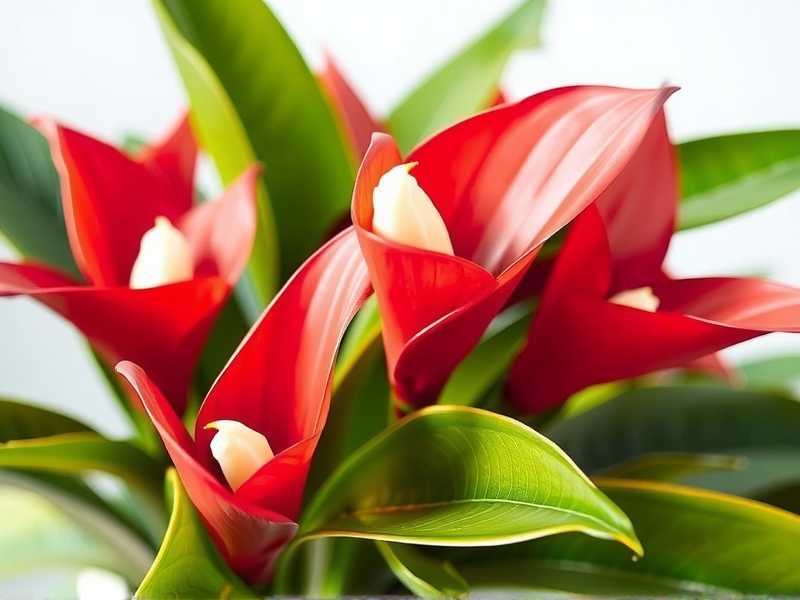
First, let’s demystify the bloom itself. That delicate white or greenish flower is an inflorescence called a spathe. For plants like Aglaonemas, grown primarily for stunning foliage, flowering is a natural but energy-intensive process. The Royal Horticultural Society (RHS) notes that while flowering is a sign of good health, it can divert resources from leaf production. My goal wasn’t to punish the plant for blooming but to gently redirect its energy. This mindset shift—from seeing the flower as a problem to managing it as a natural event—is key to post-flowering care.
My 2-Week Post-Flowering Care Protocol
I decided to observe and intervene over a focused two-week period, documenting changes every few days. This hands-on experience provided insights no generic guide could.
Week 1: Assessment and Initial Action
Day 1-2: The Decision to Remove After consulting resources from the American Horticultural Society (AHA), which emphasizes plant energy conservation, I made my first move. Once the spathe began to wilt and brown at the edges—a clear sign it was past its prime—I sterilized a pair of sharp pruning shears with rubbing alcohol. I cut the flower stalk down as close to the soil line as possible, making a clean, angled cut. This immediate step stops the plant from wasting energy on seed production. I felt a twinge of guilt, but it was necessary.
Day 3-5: Adjusting Water and Light Here’s where I hit my first “snag.” Pre-flowering, I was watering on a weekly schedule. Post-removal, I assumed the plant needed less. I was wrong. Upon checking the soil, I found it dried out faster than expected, likely due to the plant’s metabolic shift. My solution was to revert to the finger-test method: watering only when the top 1-2 inches of soil were dry. I also rotated the pot to ensure even light exposure, moving it slightly away from a bright window to a spot with bright, indirect light. This reduces stress while the plant recalibrates.
Day 6-7: First Feed and Observation A week after flower removal, I administered a gentle, balanced liquid fertilizer, but diluted it to half the recommended strength. The key long-tail keyword here is feeding aglaonema after bloom. I used a 10-10-10 formula to provide equal support without forcing aggressive growth. I noticed the newest leaf, which had seemed stalled during flowering, began to unfurl slightly—my first positive sign.
Week 2: Supporting Recovery and New Growth
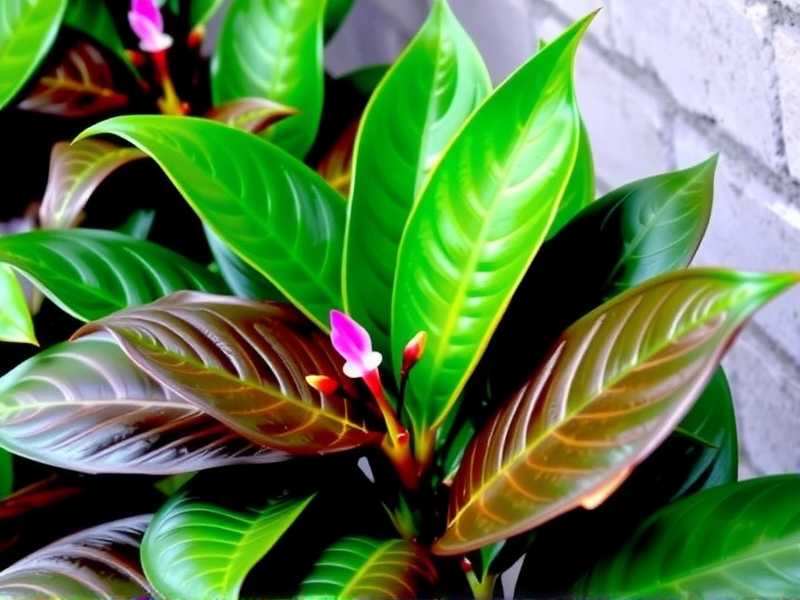
Day 8-10: Humidity and Foliage Care Aglaonemas adore humidity. To support leaf development, I placed the pot on a pebble tray filled with water, ensuring the pot sat above the waterline to prevent root rot. I also gave the leaves a gentle wipe with a damp cloth to remove dust, maximizing their photosynthetic efficiency. This simple act of post-bloom aglaonema maintenance made a visible difference in leaf sheen and vitality.
Day 11-14: Soil Check and Growth Evaluation By the end of the second week, the plant’s posture improved. It was no longer channeling energy upward to a spent bloom but pushing it outwards into new foliage. I inspected the base for any new shoots or pups—a common aglaonema flowering care outcome in healthy plants. Sure enough, a tiny nub of a new stem was visible. I resisted the urge to repot, as the AHA advises against repotting stressed plants. The core semantically related variant of my care—nurturing aglaonema post-bloom—was about patience.
Key Adjustments for Long-Term Health Post-Flowering
My two-week experiment solidified several non-negotiable care tweaks for any Aglaonema after it flowers.
Pruning is Non-Negotiable, But Timing is Everything Don’t cut the green, fresh flower. Wait for it to wilt. Pruning too early is an unnecessary shock; pruning too late wastes the plant’s resources. This precise timing is crucial for effective aglaonema plant care after flowering.
Fertilizer: Less is More A common pitfall is overcompensating with fertilizer. A strong dose can burn tender roots seeking a new balance. I stick to a half-strength, balanced feed monthly during the growing season, skipping it entirely in winter. This supports foliage without causing chemical stress.
The Repotting Question: Wait for the Right Signs Unless the plant is severely root-bound, do not repot immediately after flowering. Combining the stress of bloom recovery with the shock of repotting can set the plant back months. I waited a full season after the flowering event before considering a pot upgrade, and only when roots were visibly circling the drainage holes.
Common Problems and My Solutions
- Yellowing Leaves: I noticed one older, lower leaf yellowing rapidly around Day 5. Initially alarming, I learned this is often the plant’s way of shedding an old leaf to redirect nutrients. I removed it cleanly at the stem. If multiple leaves yellow, check for overwatering.
- Leggy Growth: If your plant seems stretched after flowering, it might have been in too-low light before the bloom. Gradually increase indirect light exposure. I moved mine to a brighter room (without direct sun) and new growth came in more compact.
- No New Growth: Don’t despair. The recovery period can take a few weeks. Ensure consistent warmth (above 60°F/15°C), proper humidity, and a light feeding schedule. My plant’s new shoot didn’t appear until after the two-week mark.
My Aglaonema looks tired and droopy after the flower died off. Is this normal? Yes, this is a common reaction. Think of it as the plant’s brief recovery period. It has expended significant energy. Ensure you’ve removed the spent bloom, provide consistent (but not excessive) moisture, and stable indirect light. It should perk up within 1-2 weeks as it redirects energy to its roots and leaves.
Should I change the soil after my Aglaonema flowers? Absolutely not, unless there are independent issues like pest infestation or severe waterlogging. Repotting is a major stressor. The goal post-flowering is stability. Maintain the existing soil, focus on proper watering and light, and consider repotting only during the next active growing season if needed.
Will my Aglaonema flower again, and how can I encourage more leaves instead? It might flower again under ideal conditions, but Aglaonemas are not prolific bloomers. To encourage lush foliage, provide bright, indirect light, maintain consistent humidity, and use a fertilizer with a slightly higher nitrogen ratio (e.g., 3-1-2) during the growing season. The plant will prioritize what its environment supports—optimal leafy conditions naturally discourage energy-intensive flowering.
Watching your Aglaonema navigate its post-flowering phase is a lesson in attentive plant stewardship. It’s not about dramatic interventions, but about subtle, supportive adjustments. By promptly removing the spent bloom, moderating your feeding, and prioritizing perfect watering and light, you directly signal to the plant where its efforts should go. My ‘Silver Bay’ now sports three new, large, beautifully variegated leaves where once there was a single, energy-draining flower. That transformation, from a brief floral display back to a powerhouse of foliage, is the ultimate reward for any plant lover. Your Aglaonema’s best leaves are still ahead of it.





